
8 Powerful Benefits of 3D Product Visualization You Must Know
3D product visualization is the use of digital 3D models to produce photorealistic images, animations, and interactive experiences that represent a product before or after manufacturing.
For product & e-commerce teams
What Is 3D Product Visualization?
3D product visualization is the use of digital 3D models to produce photorealistic images, animations, and interactive experiences that represent a product before or after manufacturing.
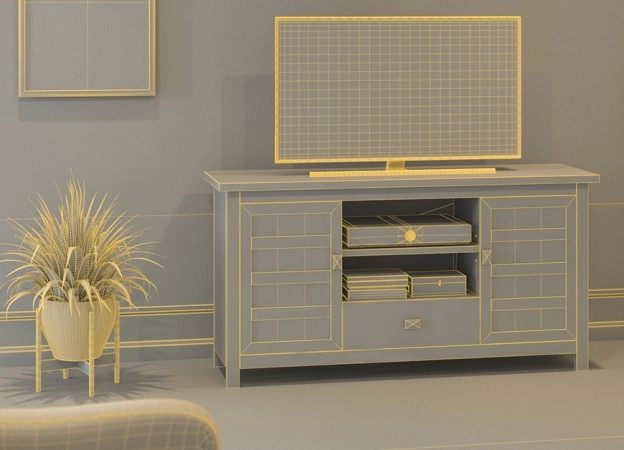
Instead of relying exclusively on physical cameras and studio sets, 3D visualization creates a virtual environment inside specialized 3D software where lighting, textures, angles, and backgrounds can be manipulated with total creative freedom.
Strategic Asset: By building a single digital master twin of your product, your brand unlocks an entire ecosystem of marketing collateral—from pure white e-commerce silos to cinematic lifestyle scenes and interactive web configurators.
5 Ways Brands Leverage 3D Product Visuals
Before exploring the 8 core benefits, let’s examine the essential visual formats a brand can generate directly from a 3D digital model:
1. Product Silo Images
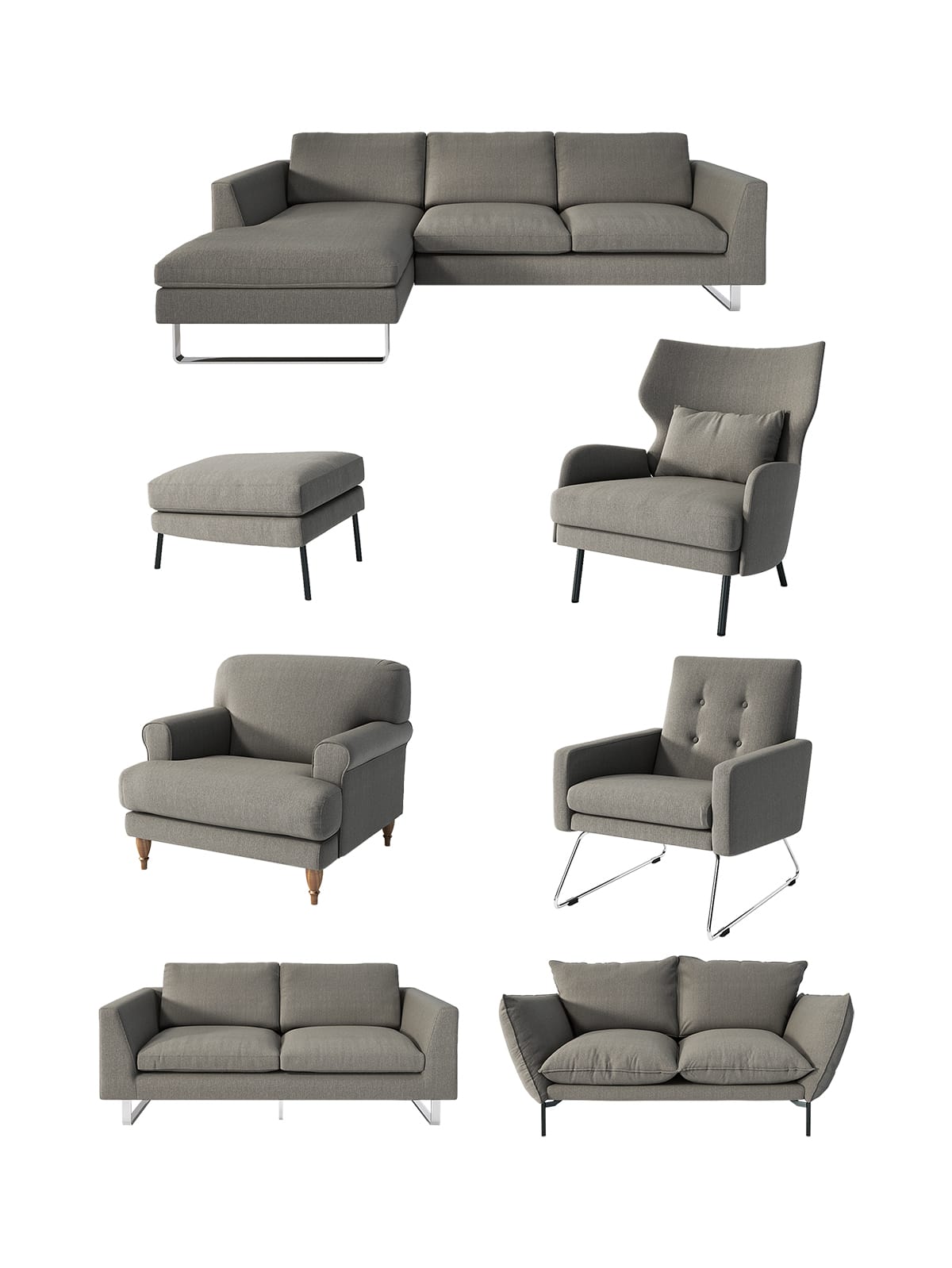
Clean, crisp, white-background product shots designed for e-commerce listings, marketplace requirements (Amazon, Shopify), and print catalogs. Generate multiple colorways and finish variations with identical studio lighting and zero physical sample manufacturing.

2. Lifestyle & Virtual Staging
Contextual imagery that shows your product in aspirational real-world settings. Our creative team builds custom virtual staging environments tailored to premium brands, allowing customers to visualize how furniture or decor integrates into modern interior spaces.

3. Dimensional Infographics
Communicate technical specs, internal layers, and dimension callouts clearly. Exploded views and transparent cutaways reveal internal craftsmanship, suspension systems, and material durability that cameras simply cannot film.

4. Real-Time 3D Product Viewers
Give customers interactive control right in their browsers. Allow prospective buyers to rotate items 360 degrees, inspect fine stitching, and trigger Augmented Reality (AR) mode to test scale within their physical living rooms.
Multi-Use Product Staging: Bathtub Tray Case Study
A single product can have multiple customer use cases. In this project, 7CGI created comprehensive 3D visualization sets demonstrating how a luxury wooden bathtub tray adapts to diverse consumer rituals—from reading with a tablet to enjoying wine and aromatherapy:


8 Powerful Benefits of 3D Product Visualization
3D product modeling and rendering create marketing material that commands audience attention and establishes lasting brand credibility.
Ease of Production
Skip location renting, difficult freight shipping, and high organizational coordination. Setting up a customized virtual studio inside 3D software eliminates physical logistics and allows effortless scene adjustments.
Fast Turnaround Time
Creating 3D renders is significantly faster than scheduling, styling, and post-processing traditional photoshoots. Iterate quickly across lighting, camera angles, and finishes within hours instead of weeks.
Attract More High-Value Clients
3D rendering breathes life into products, highlighting nuanced textures and functional features. Sneak peeks and pre-launch visuals captivate prospective buyers and establish immediate product desire.
20x Cost Efficiency vs. Photography
Producing a full 3D visual catalog is approximately 20 times more cost-effective than booking multiple physical photoshoots across dozens of colorways, accessories, and seasonal room settings.
Sell Concept Products in Advance
Manufacture just a single physical sample (or none at all) and use CGI rendering to sell hundreds of color and material variations online, launching pre-orders and crowdfunding before factory tooling.
Add Credibility & Retailer Compliance
Leading e-commerce platforms and retail giants increasingly mandate 3D assets. Showcasing high-resolution 3D renders signals premium brand maturity and builds consumer confidence.
Creative Freedom to Experiment
Test bold finishes, futuristic colorways, and unconventional compositions without financial penalty. Digital experimentation ensures you perfect product design and messaging before mass production.
Decisive Edge Against Competitors
While rivals struggle with static photos and limited angles, your brand delivers interactive 3D, AR previews, and infinite variant catalogs that convert shoppers and reduce return rates.
3D Visualization vs. Physical Photoshoots
A direct side-by-side evaluation of operational costs and visual output:
| Factor | 3D Product Visualization | Traditional Physical Photography |
|---|---|---|
| Logistical Overhead | Zero physical shipping; digital assets created via CAD or reference images. | Requires shipping physical samples, studio hire, and set styling. |
| Variant Scaling | Generate 50+ color and texture combinations from a single 3D model in clicks. | Every colorway must be manufactured, shipped, and shot individually. |
| Cost Comparison | Up to 20x more cost-effective for large catalogs and multi-angle sets. | High recurring costs for photographer fees, studio time, and retouching. |
| Pre-Launch Utility | Launch pre-sales, Kickstarter campaigns, and dealer catalogs months before tooling. | Cannot photograph products until physical production samples exist. |
| Interactive Capabilities | Seamlessly exports to 3D web configurators and Augmented Reality (AR). | Restricted to flat 2D raster stills. |
Frequently Asked Questions on 3D Visualization
Answers to common questions about integrating 3D product rendering into your e-commerce operations.
What do I need to provide to get 3D product renderings made?
If you have 3D CAD files (STEP, IGES, OBJ, FBX), our studio can use them directly. If not, simple reference photos taken on a smartphone alongside dimension specs or design sketches are completely sufficient for our team to model your product accurately.
How realistic are 3D product renders compared to actual photos?
Modern photorealistic 3D rendering uses physically based rendering (PBR) shaders that accurately replicate how real light interacts with fabric fibers, brushed metals, clear glass, and natural woods. When executed by professional visualizers, consumers cannot tell the difference between 3D renders and physical photos.
Can 3D models be reused for interactive AR and web configurators?
Yes. That is one of the greatest superpowers of 3D visualization. The same high-poly 3D master model used for 4K still renders can be optimized into lightweight GLB/USDZ formats for real-time WebGL configurators and Augmented Reality (AR) shopping apps.