
3D Product Rendering Services
for Catalogs and Marketing
Photorealistic 3D product visualization services for Amazon sellers, Shopify and DTC brands, manufacturers and agencies.
Send CAD files, drawings or reference photos. First drafts in 1 to 3 business days, from $99 per SKU, with three revision rounds included.



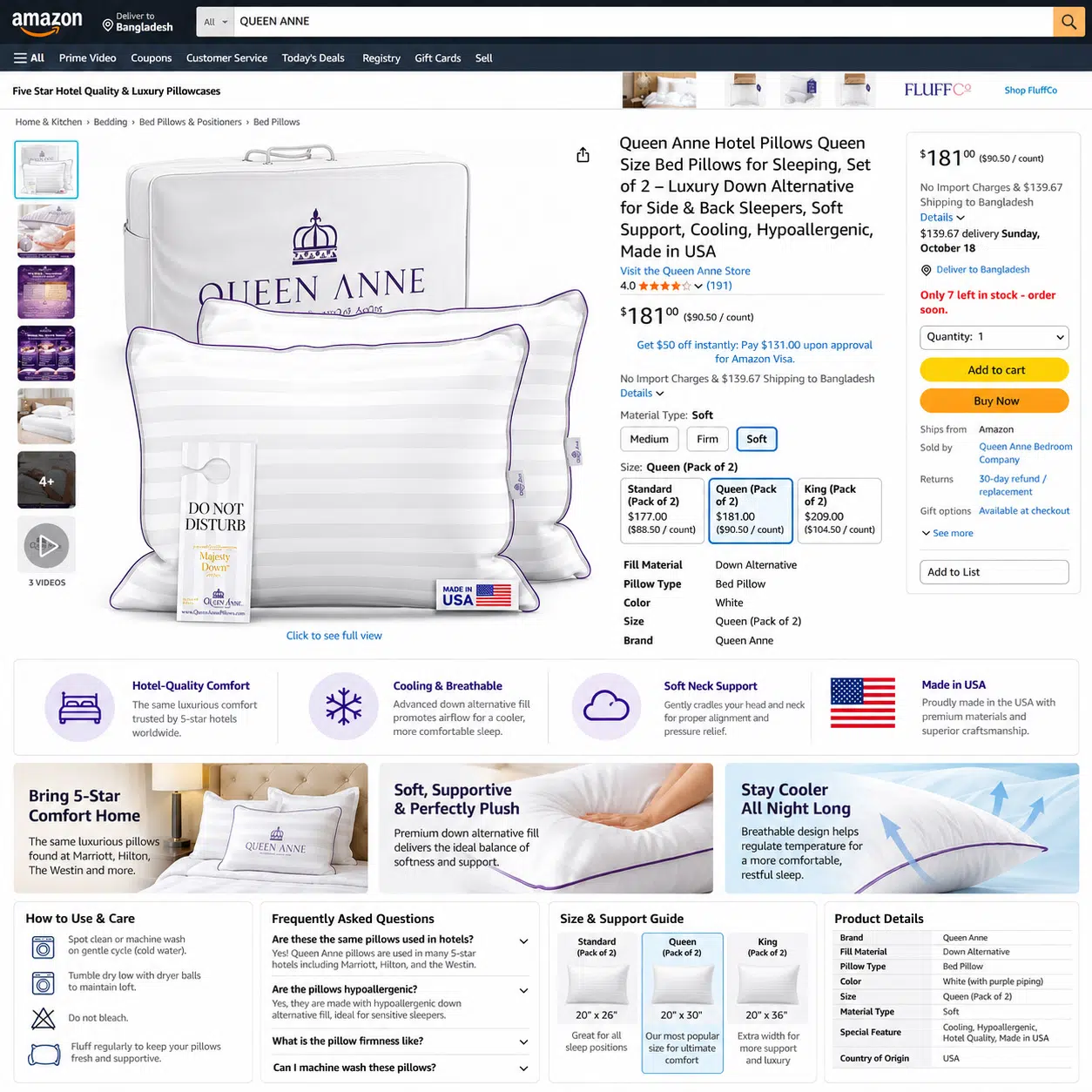
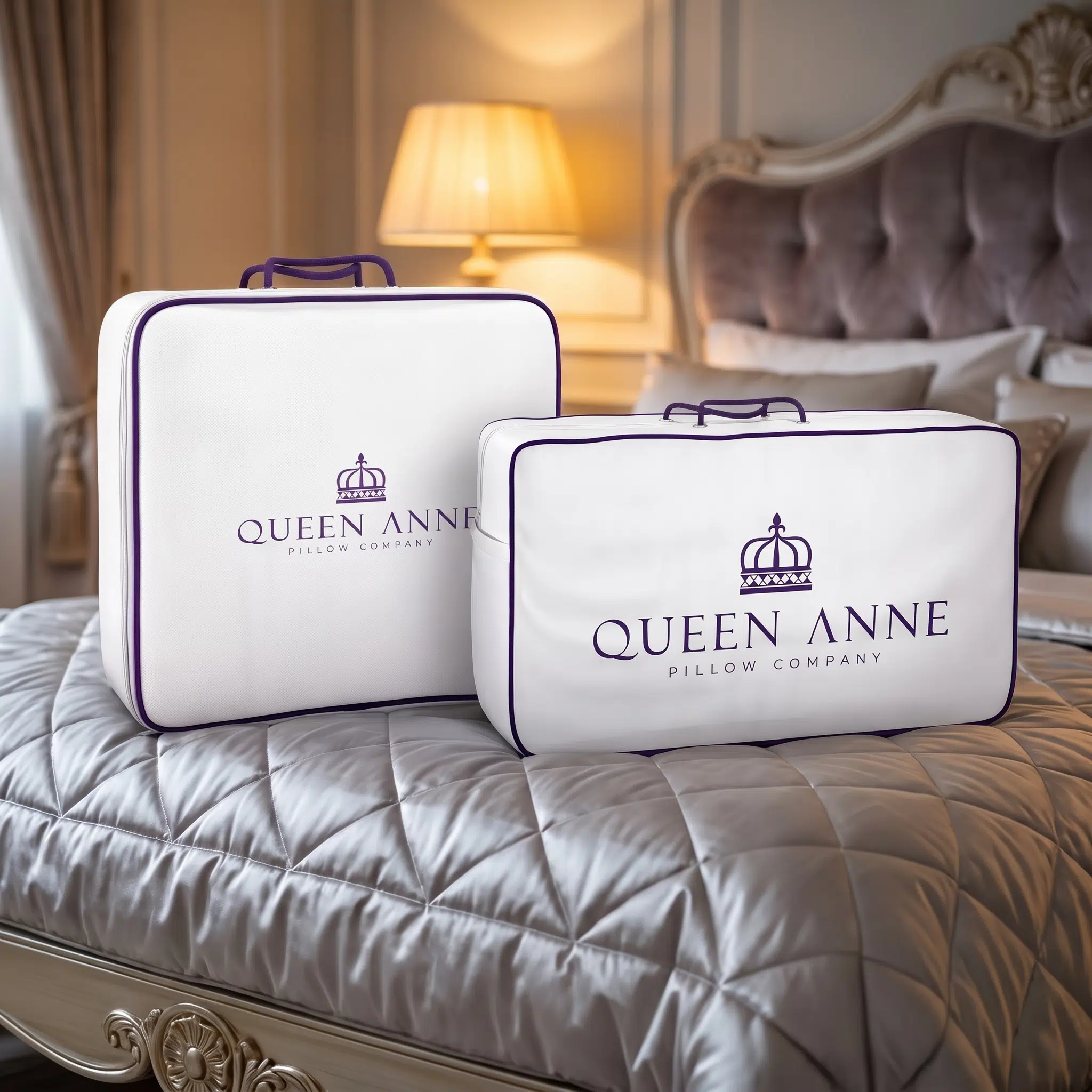
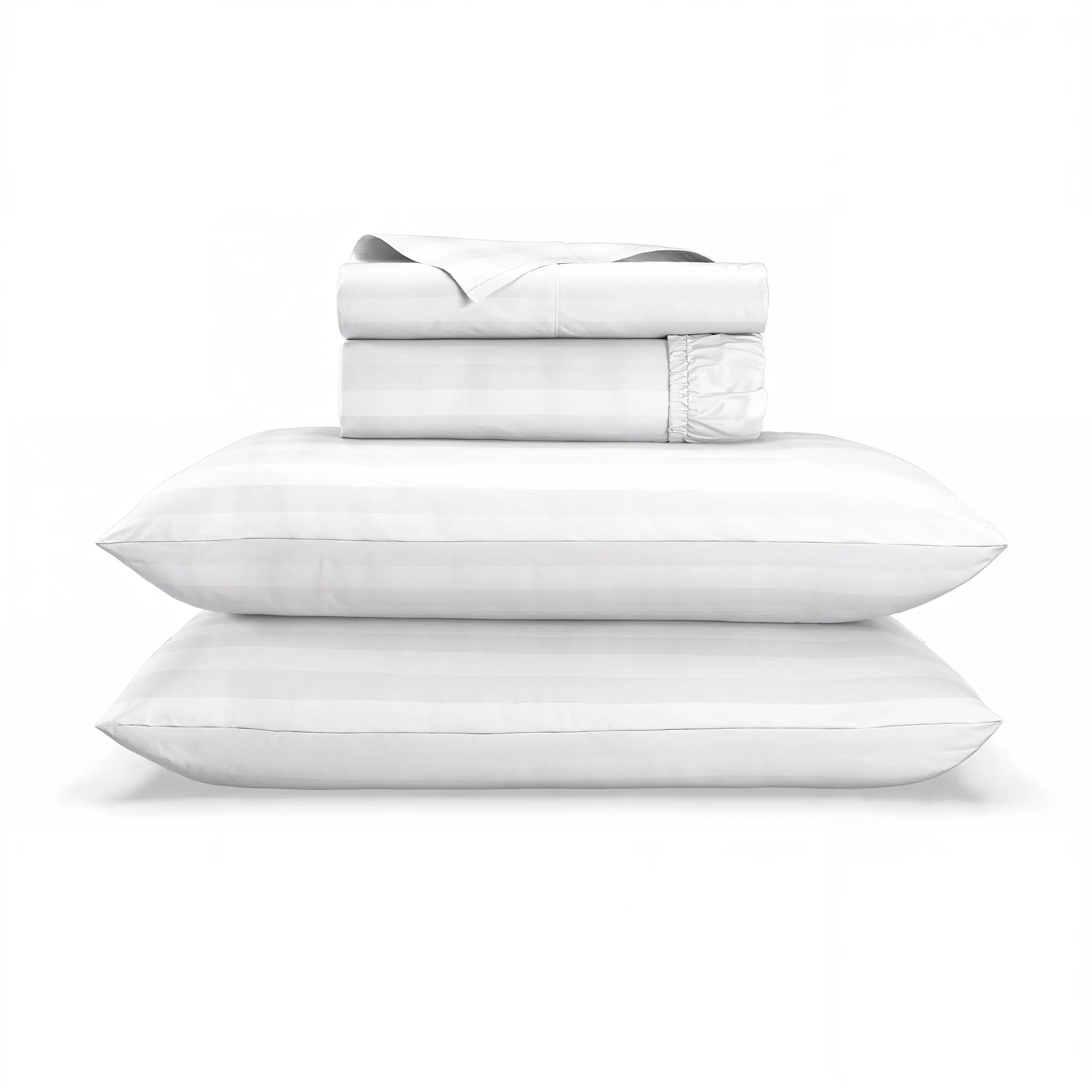


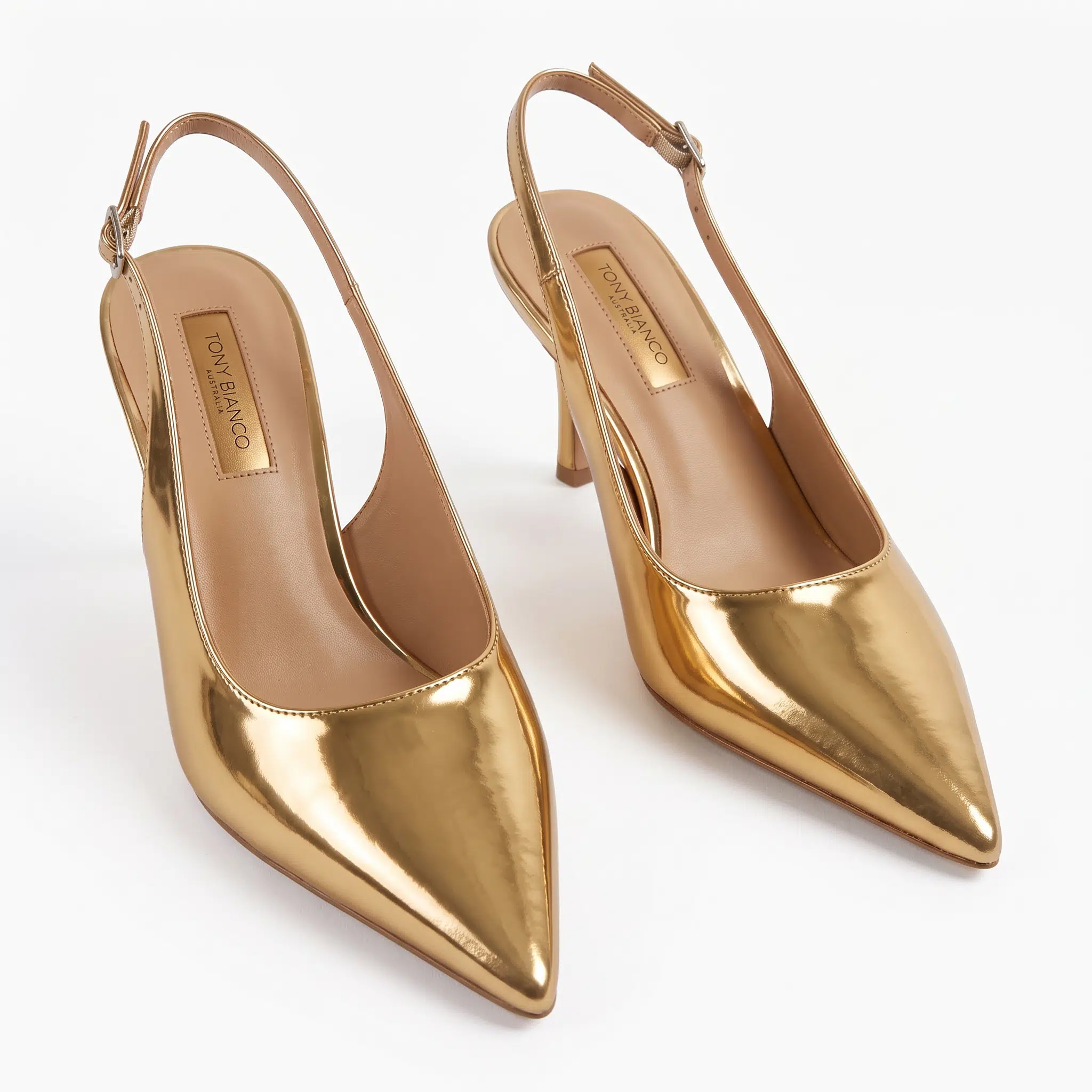
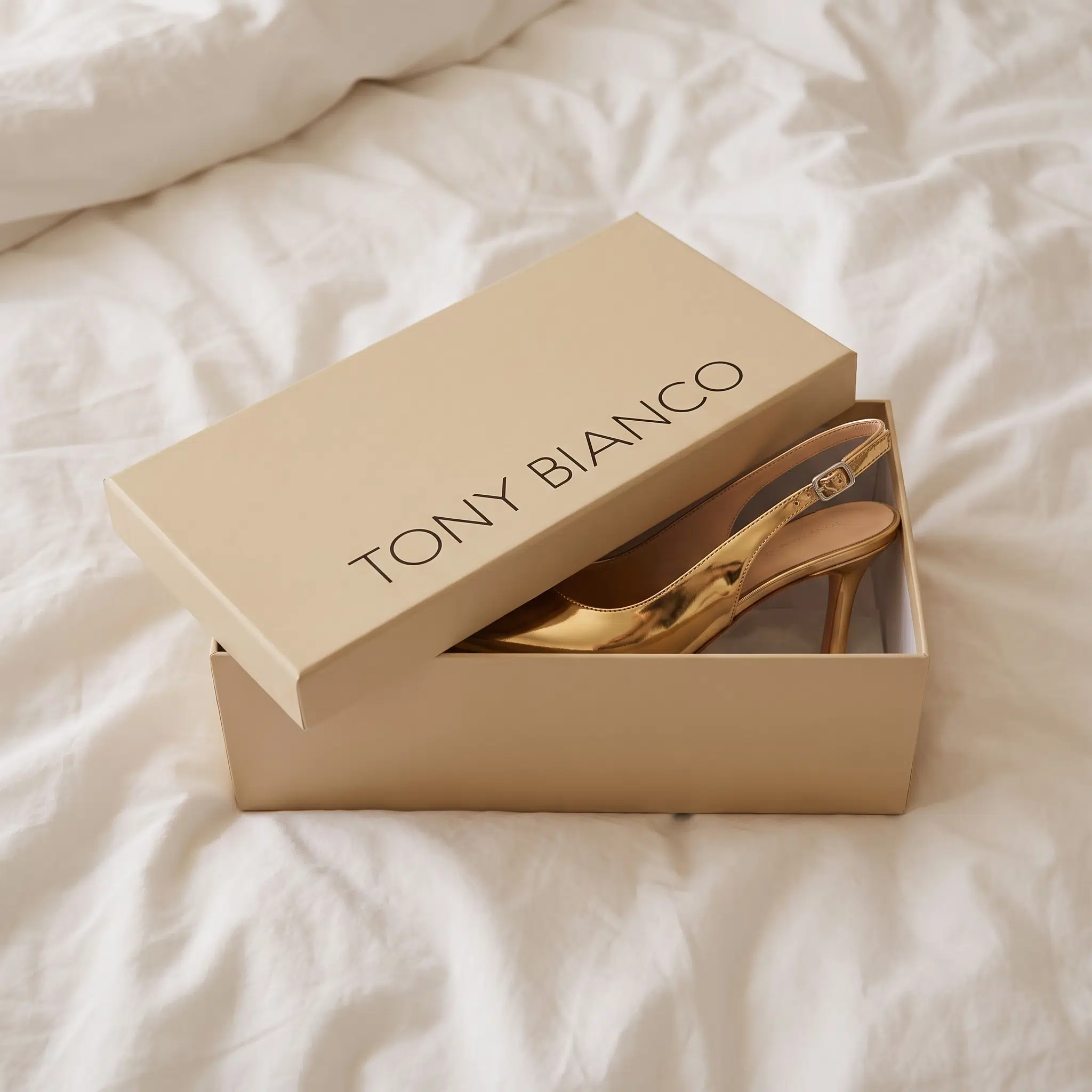

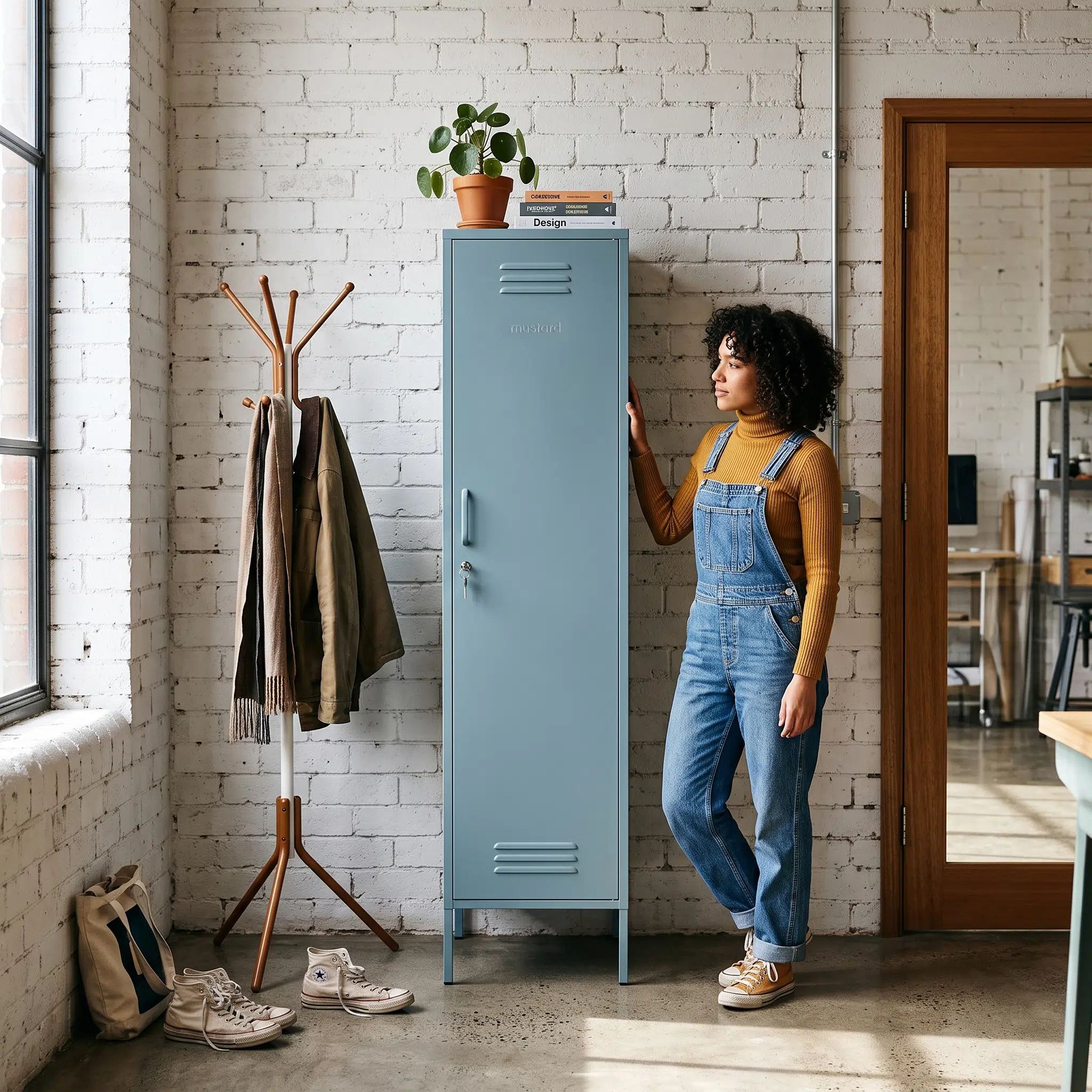
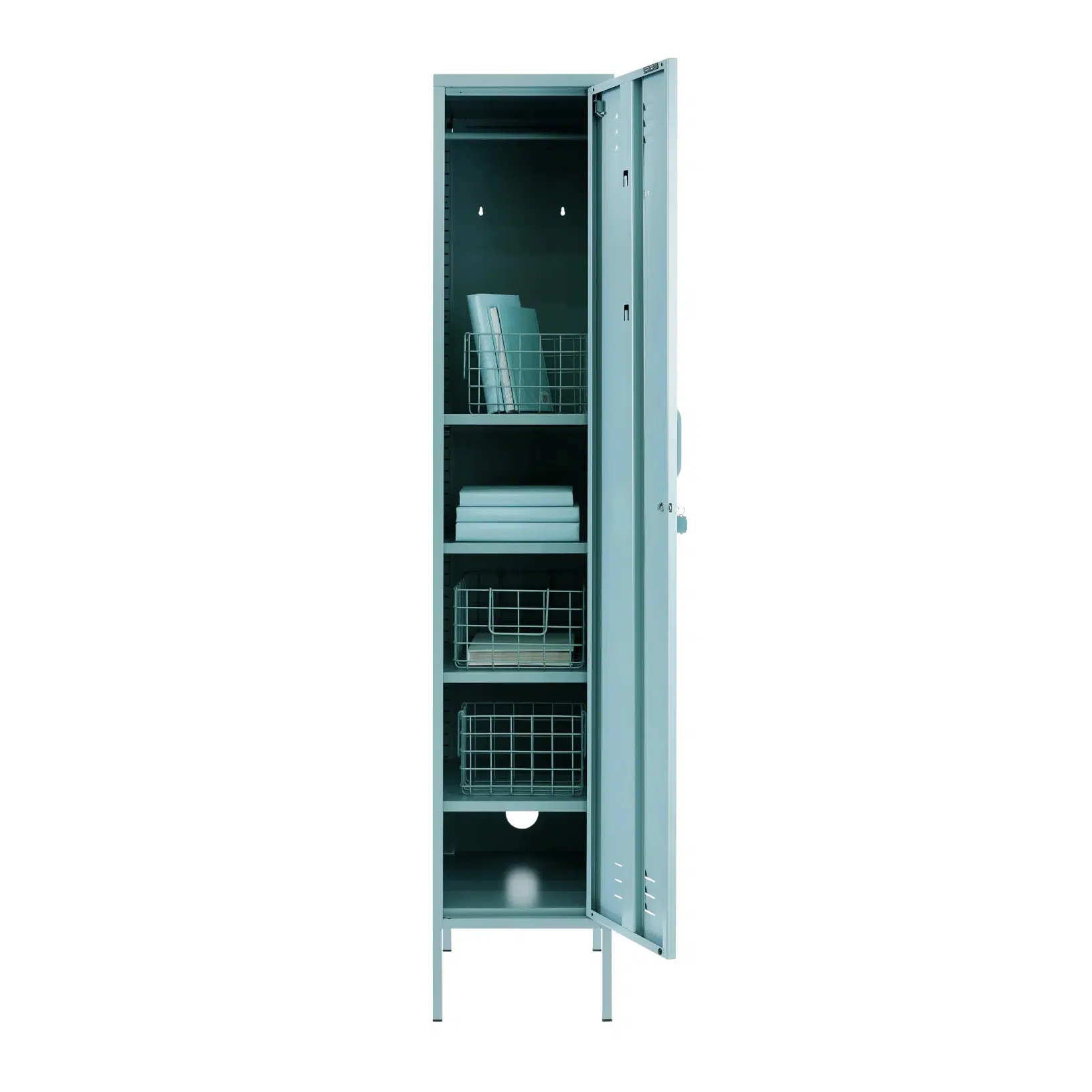
Brands That Trust Us for Their Product Rendering Needs
Since 2015, our 3D product rendering company has been helping:
- Home and furniture. Furniture brands and manufacturers, curtains, architectural materials, lighting and fixtures, kitchen and home appliances, and bath and plumbing fixtures.
- E-commerce and consumer brands. E-commerce sellers, consumer electronics, jewelry brands, clothing, footwear and apparel, sporting goods, and consumer brands in many other categories.
- Agencies and print. Branding and marketing agencies, and printing and labeling companies.
- Industrial and technical. Industrial manufacturers, robotics, and aircraft interiors.
We work across North America, Western Europe, and Australia. Different markets expect different visual standards, and a decade of moving between them is why our renders land on brand rather than merely looking expensive.








One product is easy. Three hundred is the real job.
One render is easy. Any good artist can light a product, get the material right, and frame it well. The hard part is repeating that result three hundred times, then again months later. Time is the first problem. One artist working through three hundred products would take months, and no launch can wait that long. So a large team works on your catalog, with many products in progress at the same time. Consistency is the second problem. Lighting shifts a few degrees between sessions. White balance drifts, so the same material reads a different color from batch to batch. Camera height moves just enough that proportions stop lining up. None of this shows on a single image. All of it shows on a category page.
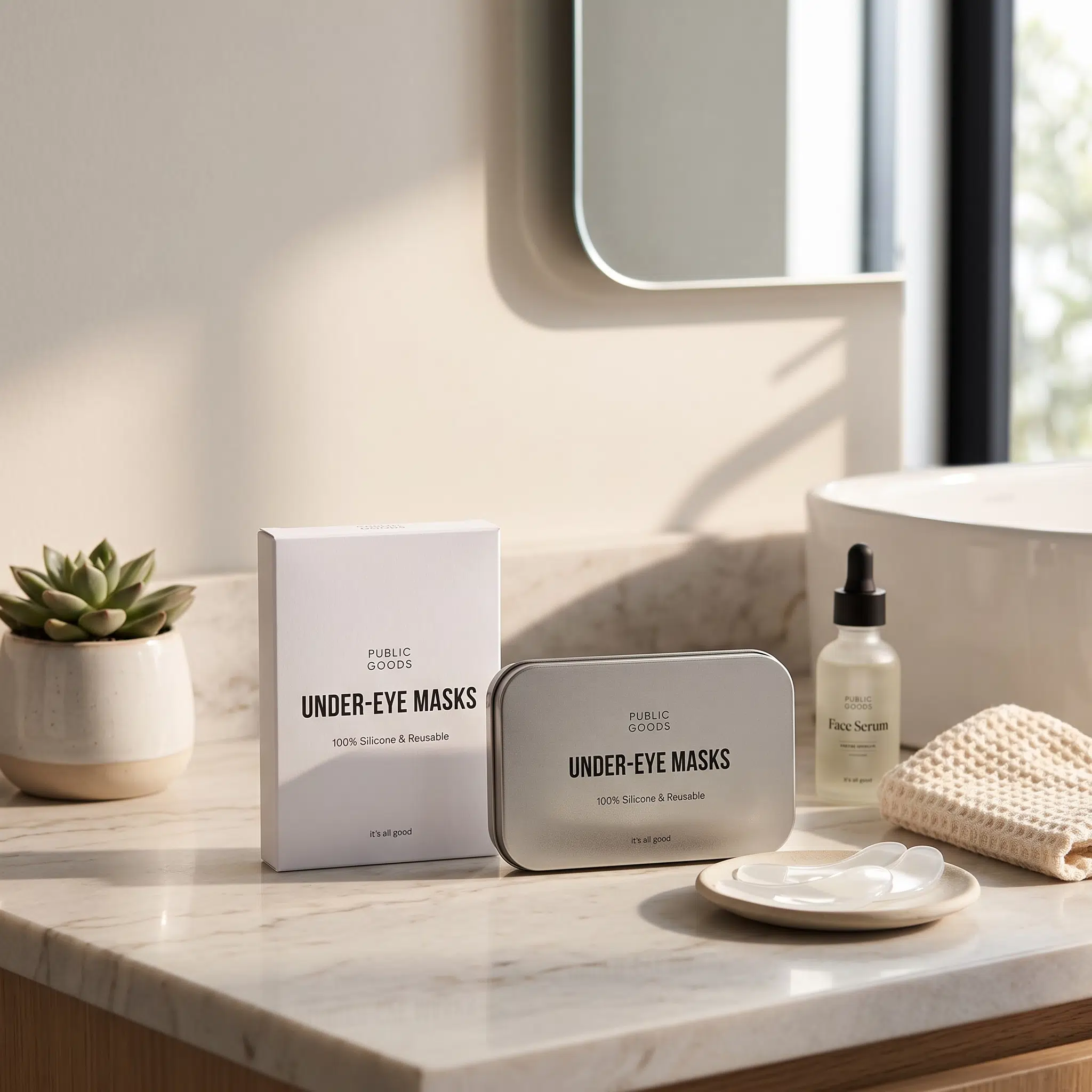
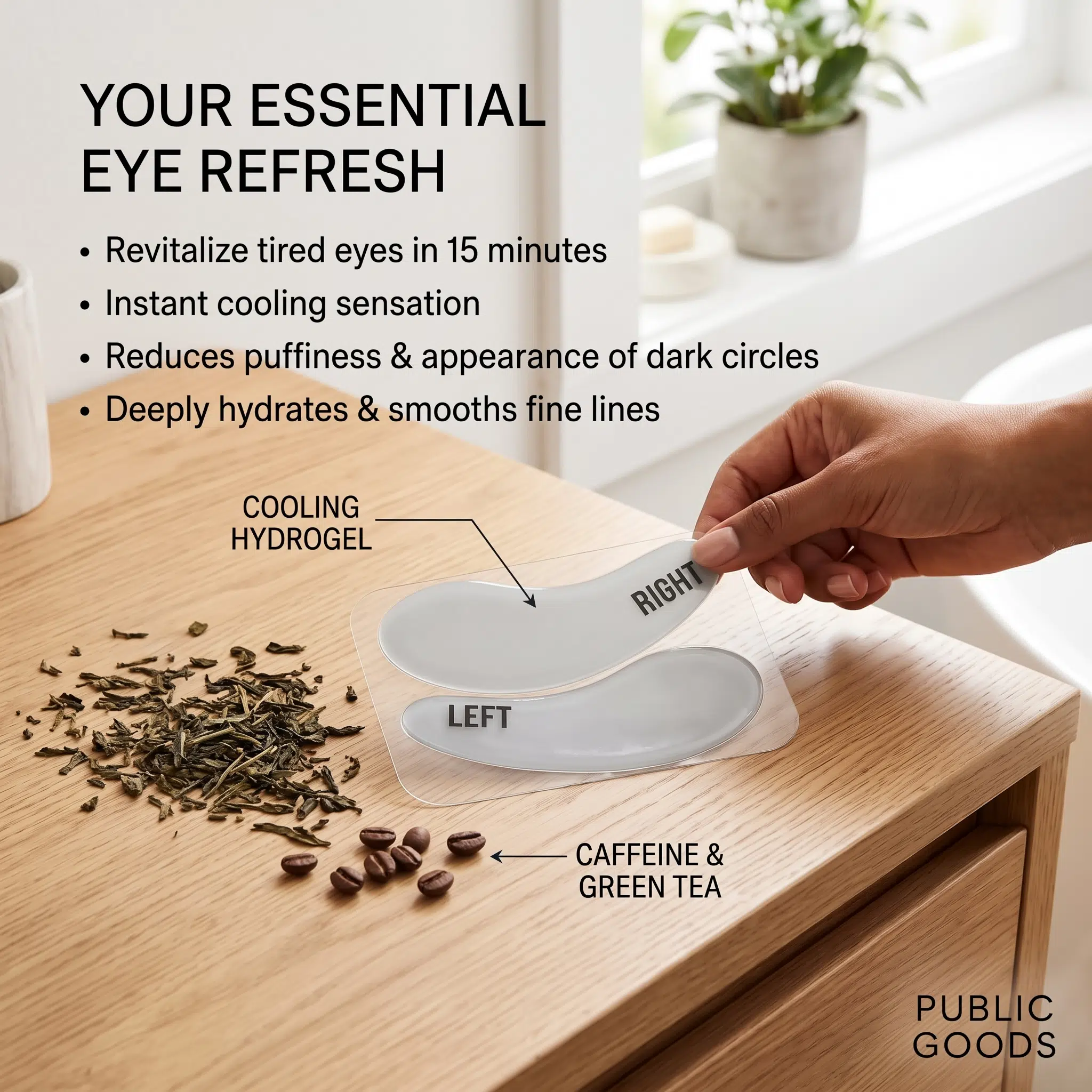
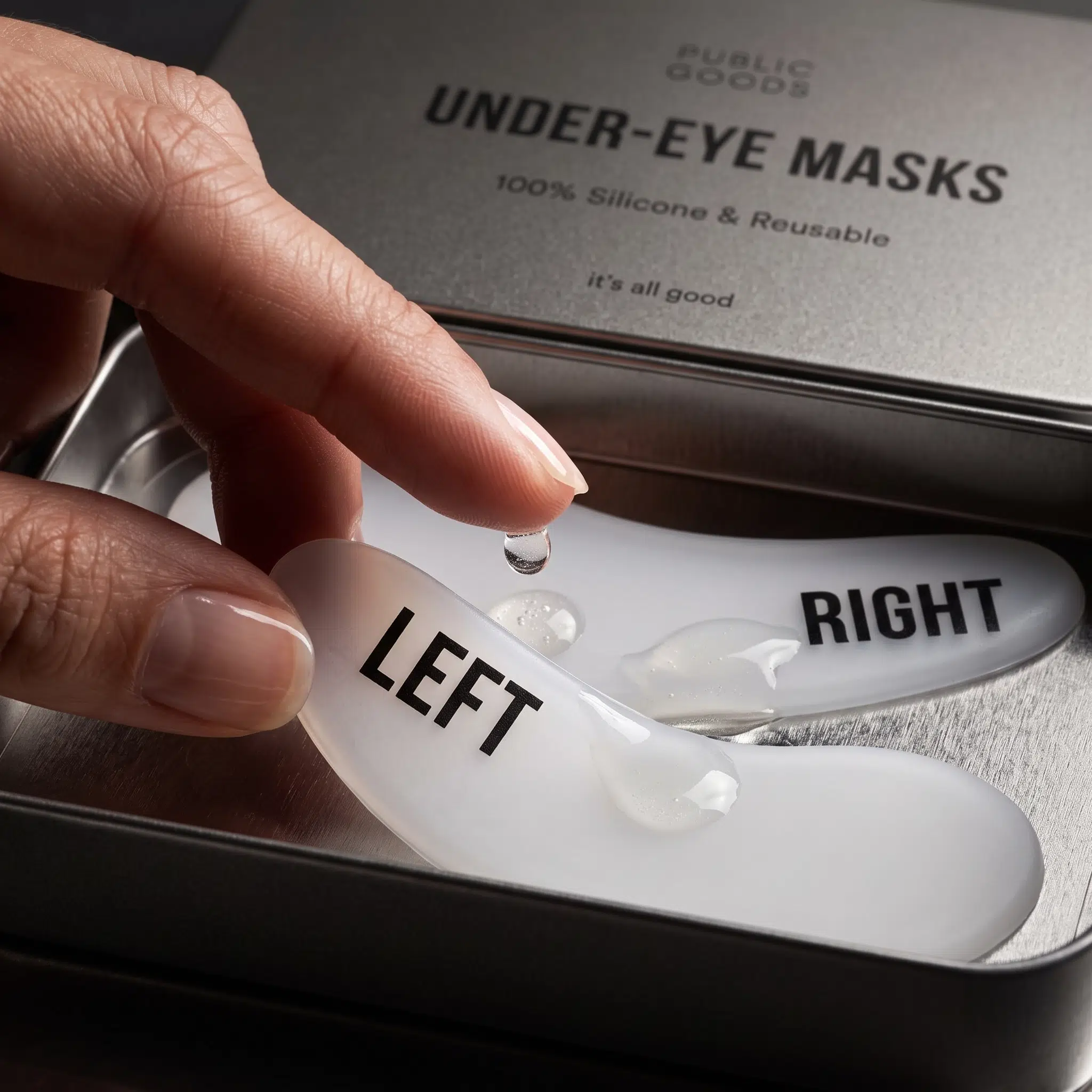
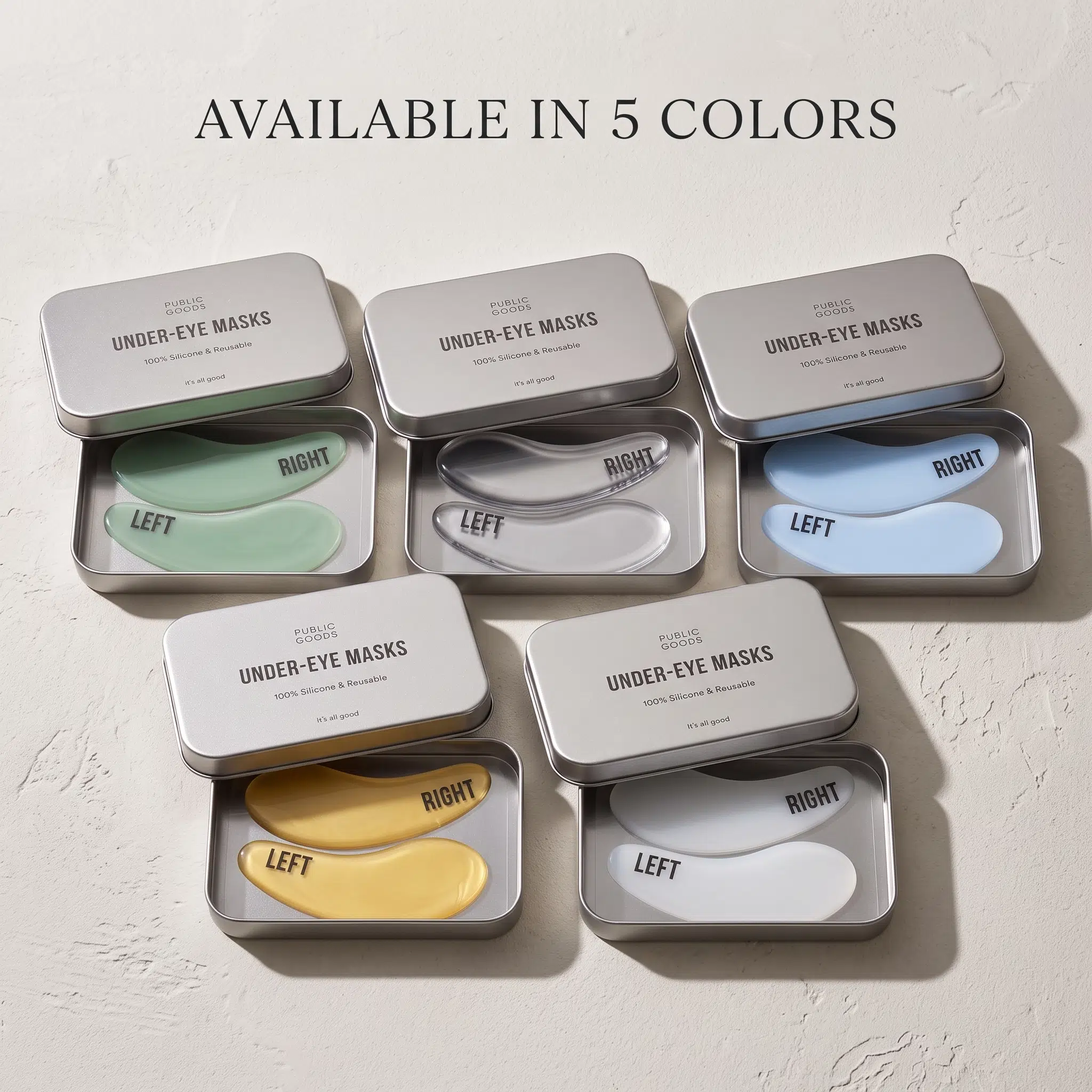
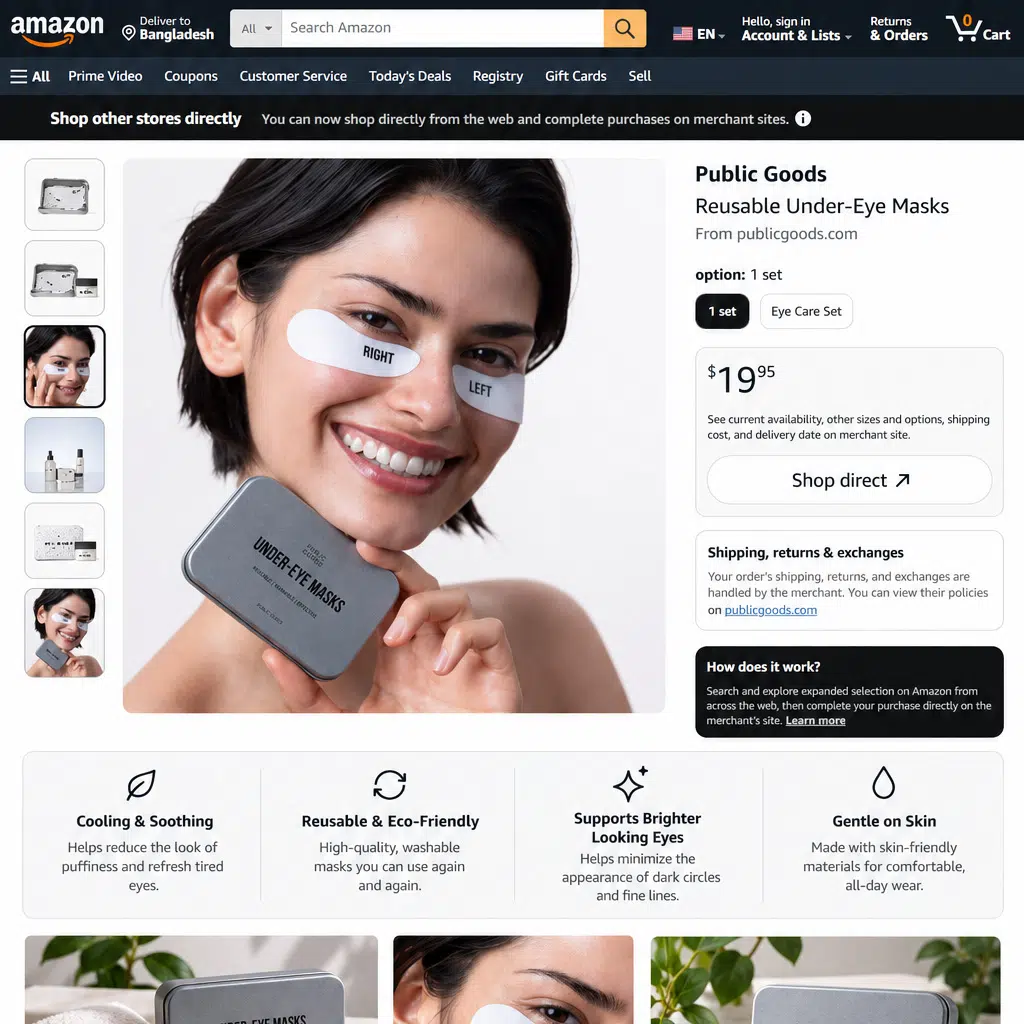
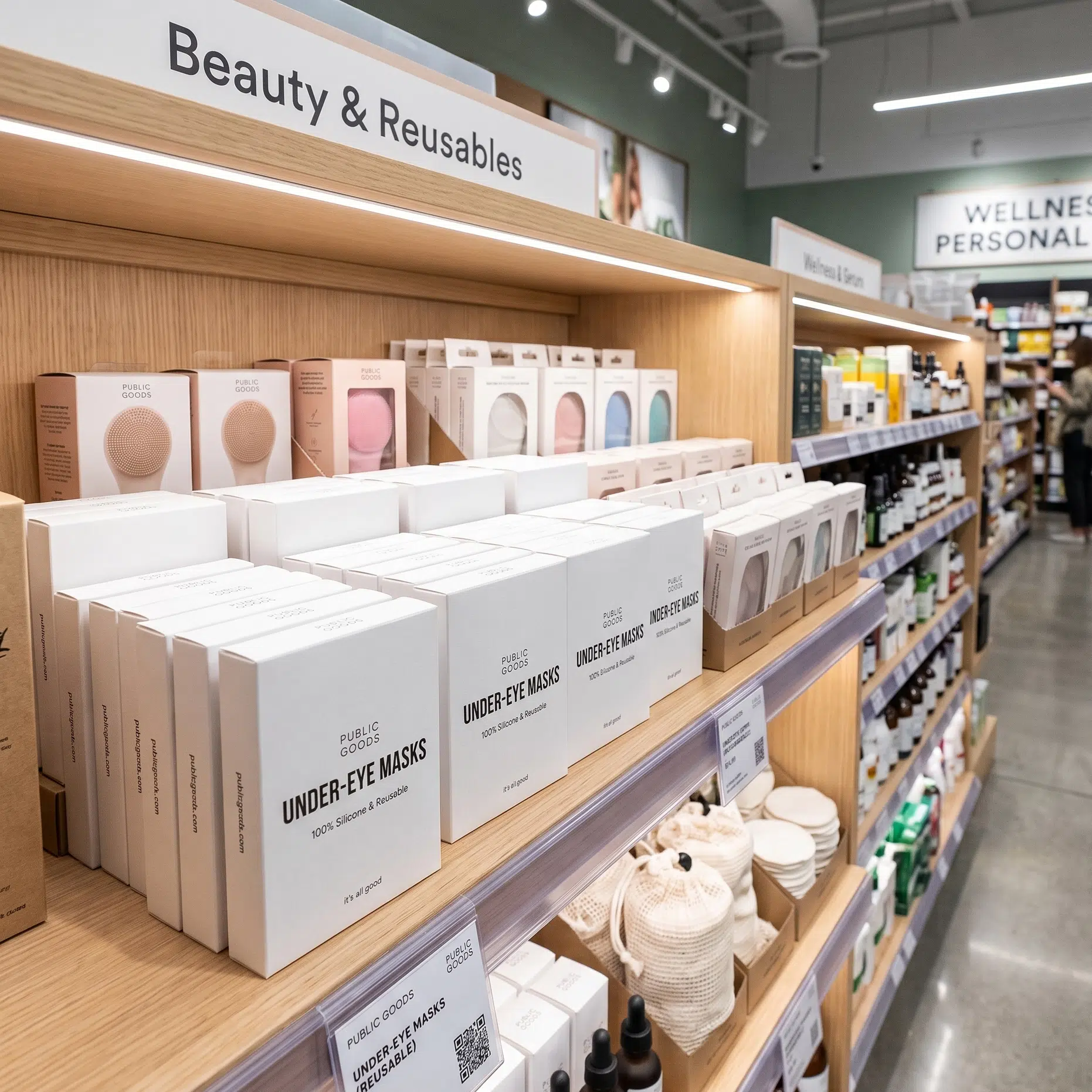
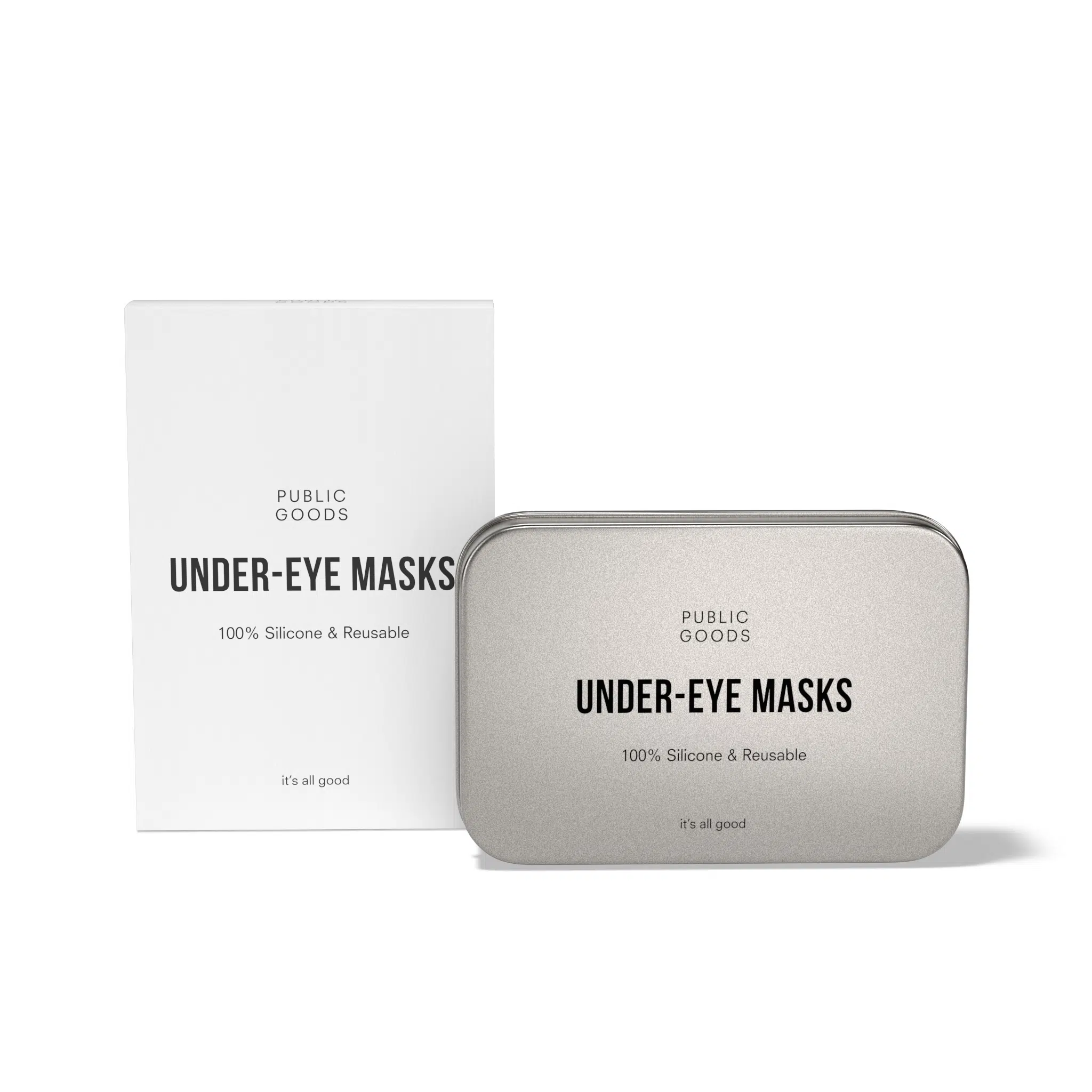
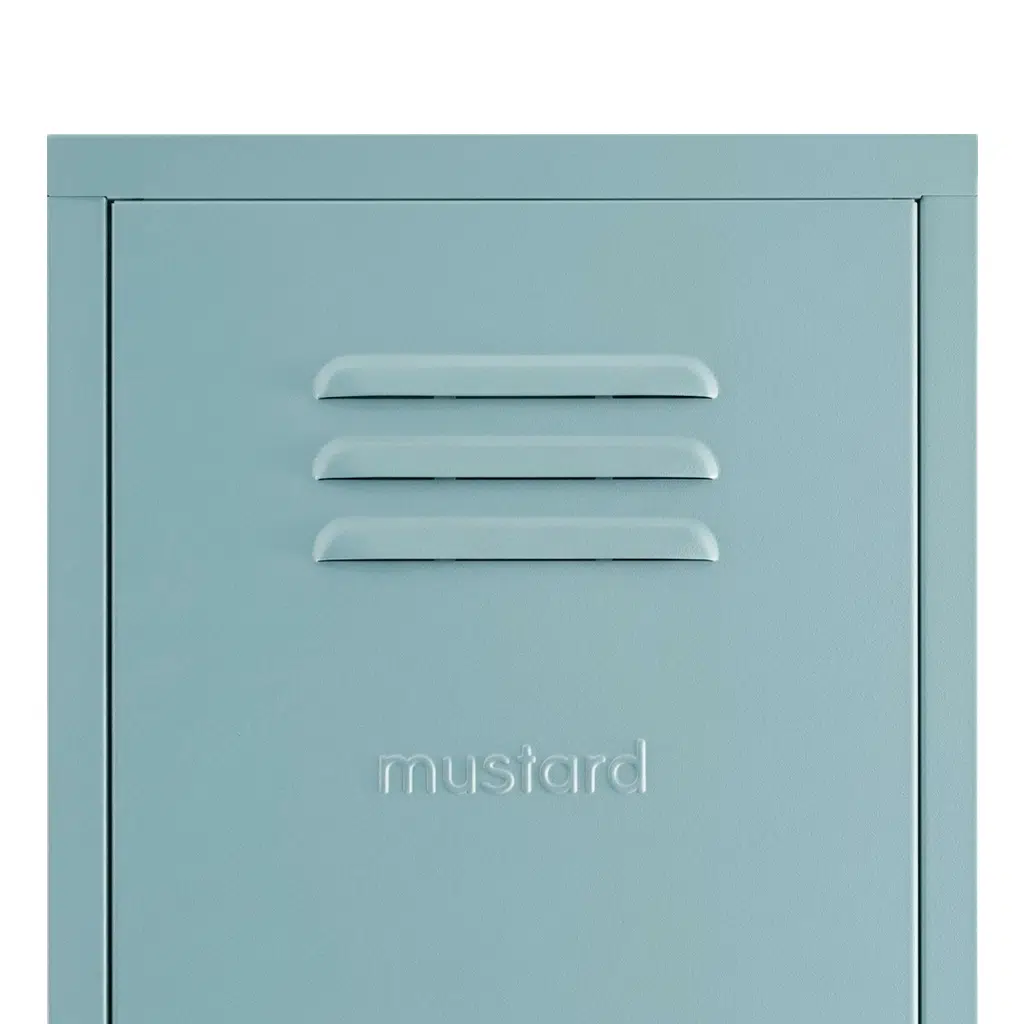
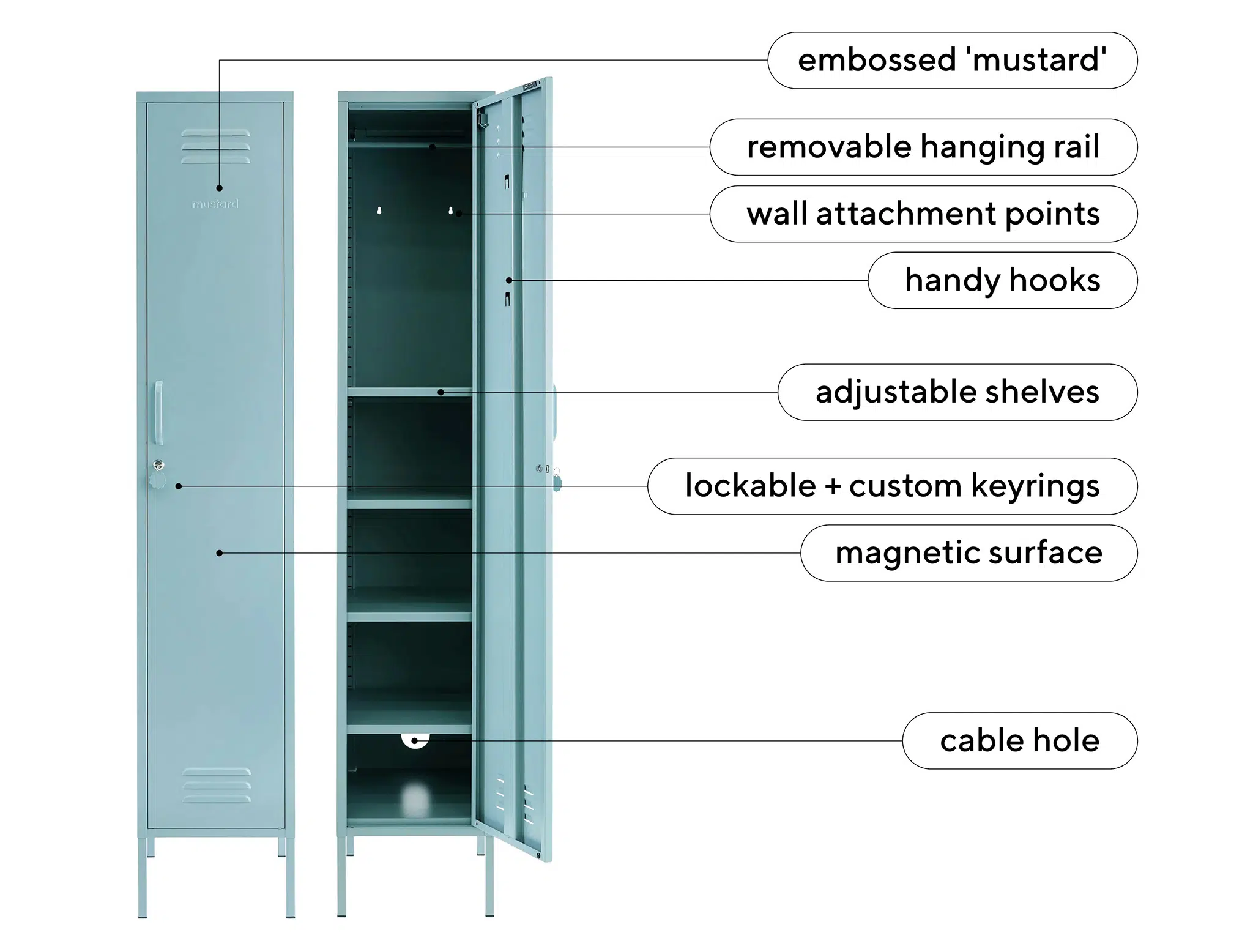
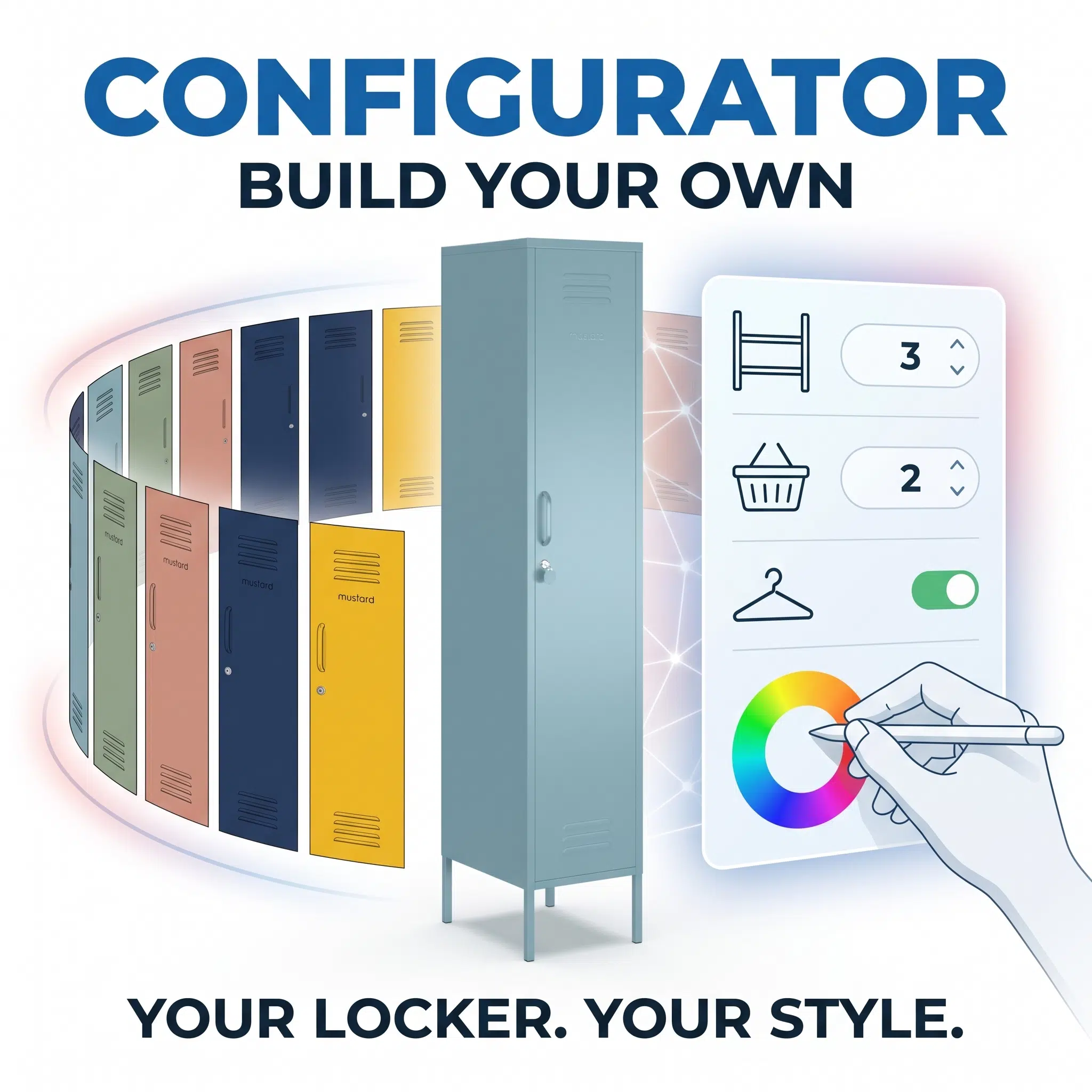
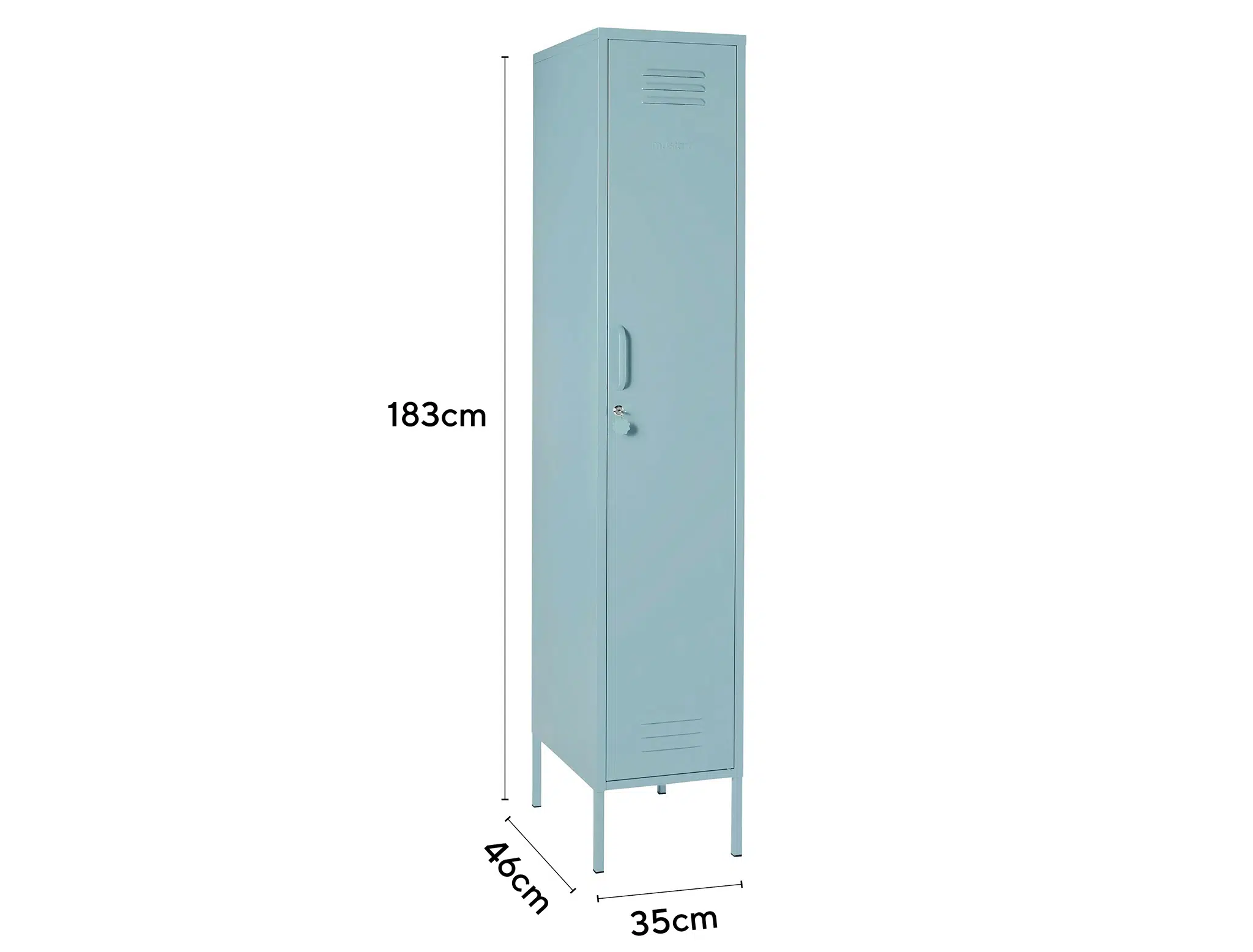
The cause is rarely skill. It’s re-deciding the setup with every batch. So we lock it once. Camera, lighting and materials are set, documented and reused. SKU 1 and SKU 300 match, and so does the one you add next quarter. See it live on the Mustard Made and Public Goods catalogs. Because the setup already exists, every batch after the first costs less.


Sell the Product Before It Is Built
Anyone can build a catalog digitally now. AI image generators make it fast and cheap, and buyers are starting to notice. Once a shopper suspects a product image isn’t real, they start questioning whether the product itself is real, in stock, or made the way it’s described.
3D rendering solves this without the trust cost. Built from your actual CAD or dimensioned drawings, or even from sketches, the image reflects the real product: true proportions, true materials, true construction. It looks 100% genuine because it is genuine, generated from what you’re actually going to manufacture, not guessed by a prompt.
That trust is what lets you sell before you build. Listing images, retailer submission, trade show booths, and pre-order pages can all be ready before the first unit comes off the line, across the full product and every variation in the collection. You produce only after the order comes in.
It also works earlier than that, before you’ve even settled on a final design. Render two versions of a handle, put both in front of buyers, and build the one that wins.
Recent Product Rendering Projects

155 products, one asset library, no CAD
For Well Traveled Living, outdoor furniture and heating
Different suppliers had shot their range over several seasons, and nothing matched. With no CAD to start from, we modeled all 155 products from photos and finish charts and ran them through one setup. Nothing was shipped to a studio. Now the whole catalog looks like one shoot, and a new fabric is just a re-render. See the project

Hundreds of fabrics on one set of window models
For Raambekleding, window coverings
Window coverings sell on fabric, so every fabric has to be shown the same way. We built one set of window models and rendered the full fabric range onto it, in the same rooms and the same light. Shoppers compare fabrics, not photos. Adding a new one is a render job, not a photoshoot. See the project

190+ fabric and leather options, one scene set
For Graham & Green, furniture and home decor
Photographing more than 190 upholstery options would mean a sample, a set and a shoot for each one. We built one set of scenes and rendered every fabric and leather option into it. Shoppers compare like for like, and a new option drops into frames that are already approved. See the project
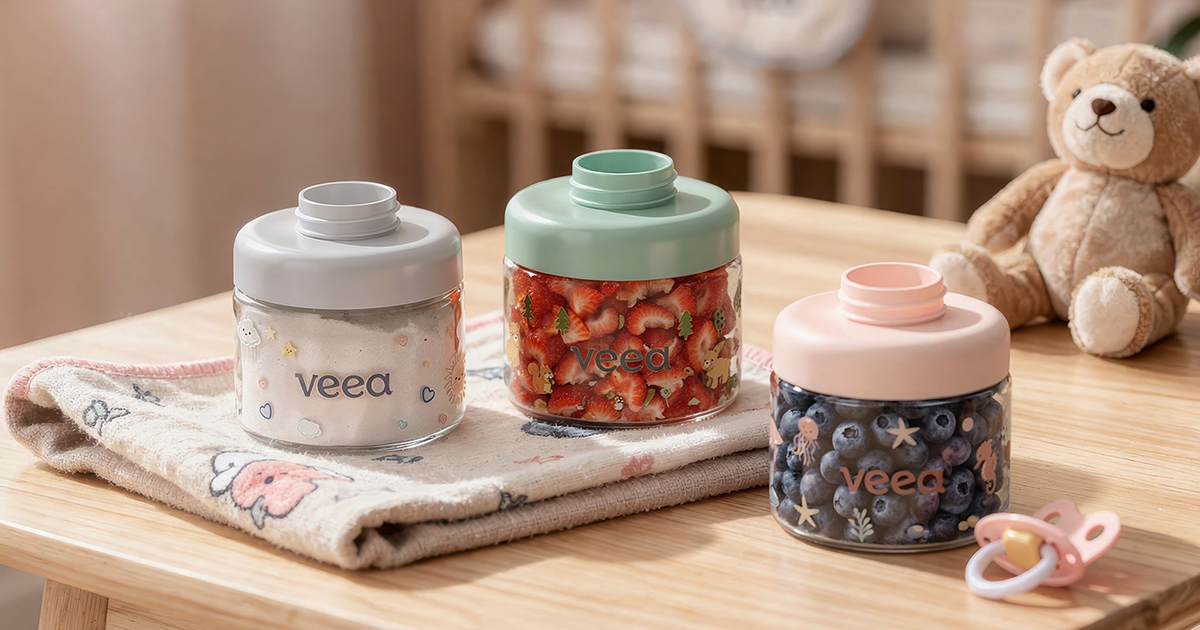
Listing images and video before the first unit was made
For Veea, child food storage
Veea needed launch content before the product existed. We built the model from their pre-production files and produced the listing images and a product video ahead of manufacturing. The launch didn’t have to wait for samples, and the same model is ready for every update after it. See the project
Deliverables
3D Product Visualization Services: Many Content Types, One Model
Every deliverable comes out of the same approved geometry, which is why each one after the first costs less than the first. Combine as many as the product needs.
-
White background and catalog images
The replacement for a white sweep photoshoot. Hero, close crop, group and scale shots at marketplace pixel specs, with transparent variants. We also wrote about when to avoid white background product photography.

-
Lifestyle images and photo compositing
The product art directed into a real setting, across several scene families, or rendered into your own photography and model shots. Our lifestyle rendering work for furniture brands shows how far one master asset stretches.
-
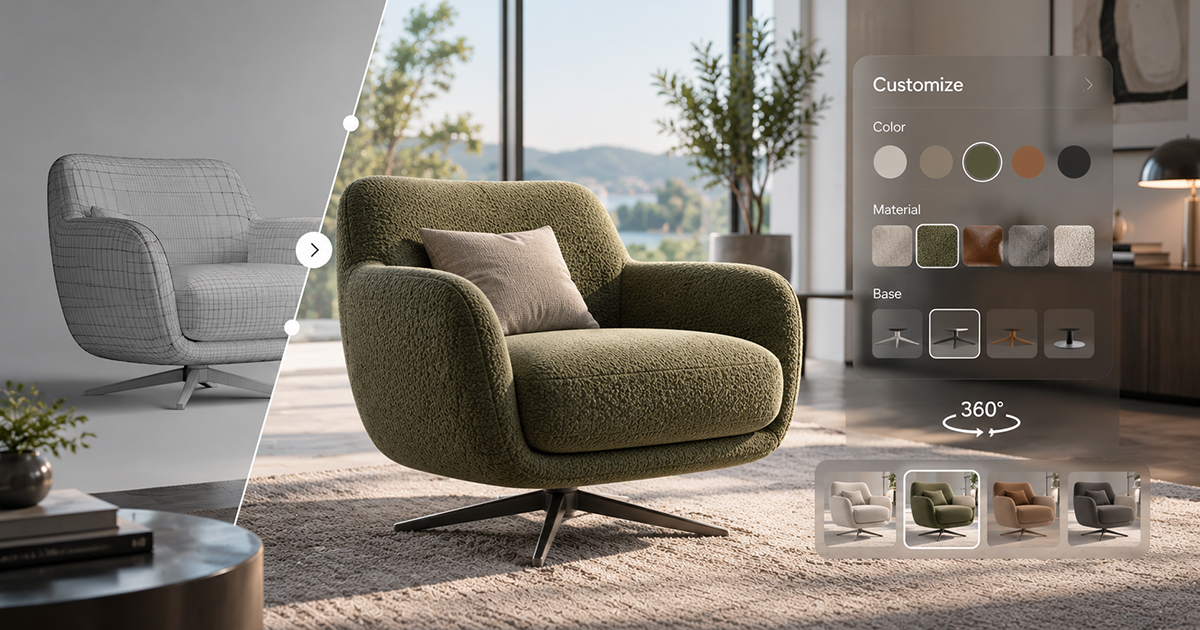
Color and material variations
Every colorway, fabric, finish and size from one model, rendered into the frames you already approved. Same product, same frame, six finishes. Ask for a seventh and it costs a render.
-
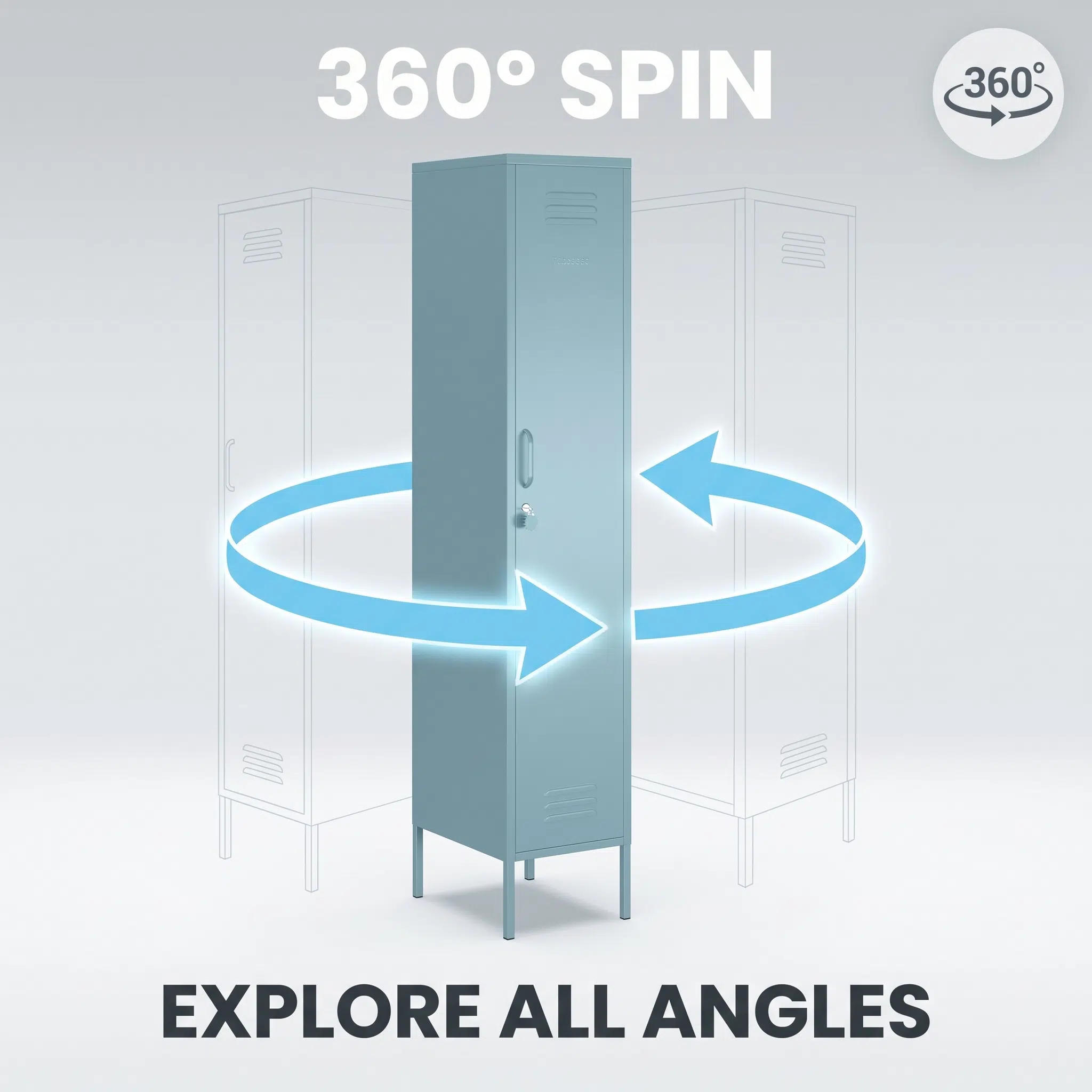
360 spins and turntables
The full turn, so nothing about the product is hidden. One of the cheapest things to add once the model exists.
-
3D product animation and social video
For products a still image cannot explain, and for the feed. Exploded views, assembly, function demos and explainer videos, plus short vertical clips for Reels, TikTok and paid ads.
-
AR and retailer 3D files
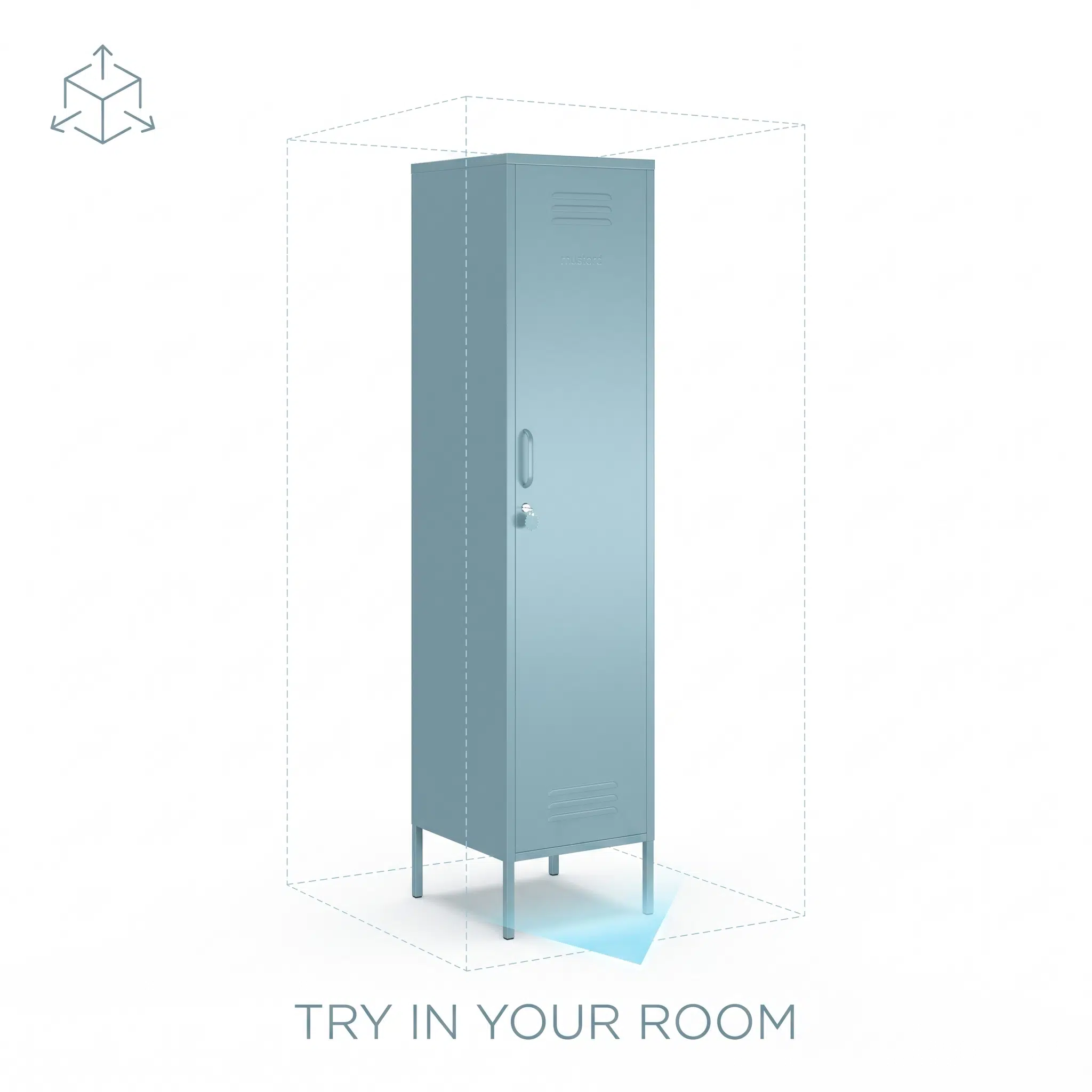
GLB and USDZ files built to Amazon, Wayfair and Shopify 3D specs, light enough to load fast on a phone. See how AR product visualization fits a listing, and what a GLB file is.
-
Configurators and virtual showrooms
When one product sells in forty combinations, let customers build their own, or walk buyers through your whole range in a 3D showroom. Try our furniture configurator, or read the guide to 3D product configurators.
-
Infographics and Amazon A+ content
Cutaways, callouts, dimension overlays and comparison panels, sized for listing galleries and Amazon A+ modules, still or animated.


Select a content type to view the example.
Choose a content typeVisual example
Who Our 3D Product Rendering Services Are Built For
Four kinds of teams hire us, and each one needs something different out of the same 3D asset. Tell us which one you are and the quote comes back shaped to it.
Amazon and Marketplace Sellers
Marketplaces reject listings over image rules, not over taste. We deliver pure white background hero images at the required pixel dimensions and product-to-frame ratios, then fill the rest of the gallery with lifestyle scenes, scale shots, infographic panels and A+ content that answer buyer questions before they get asked. The same master asset feeds Amazon, Costco, Wayfair and your own store without a reshoot, including the 3D files each one accepts.
Shopify and DTC Brands
Direct to consumer brands live on visual consistency across a catalog that changes every season. We build one model per product and then generate every colorway, fabric and finish from it, so a new drop is a render queue rather than a studio booking. Add 360 degree spins and AR ready files and shoppers can turn the product over and stand it in their own room. Short vertical clips from the same model keep your ads and social feed supplied. Our guide to 3D product rendering for e-commerce walks through where it moves conversion.
Manufacturers and Product Designers
When the product is still a CAD file or a sketch, rendering is the only way to see it. We work from STEP files, technical drawings, or nothing more than concept sketches and dimensions, and we produce catalog imagery, exploded views, cutaways and function animations. For trade shows and dealer networks, the same models can drive a virtual showroom of the whole line. For machinery and equipment, our industrial product rendering team handles the scale and the technical detail that consumer work rarely demands.
Agencies and Visualization Studios
A steady share of our production is white label. Advertising agencies, e-commerce content studios and other 3D teams send us overflow when a deadline moves or a catalog lands all at once. You keep the client relationship, we match your naming conventions, lighting standards and retouch style, and the files drop straight into your pipeline. If you are weighing whether to outsource 3D rendering projects at all, that guide covers what usually goes wrong and how to scope around it.
Cost of 3D Product Rendering Services
3D rendering pricing is based on your product’s complexity (its shape and materials).
Two ways to work with us: per SKU, with the packages below, or by the hour, with a monthly plan.
Choose Your Package
Then choose one of three packages based on what you need for your product.
Everything you need to get a product listed and selling.
Show it in a real setting, and let shoppers place it and see it move.
More colors and more detail for a complete product page.
Monthly Production Plans
For brands and agencies with steady work every month.
Buy production hours by the month instead of quoting job by job. Pay a lower hourly rate as your commitment grows.
- Hours cover any deliverable, from models and stills to animation and AR files
- Live access to our time tracking and project management apps, so you see every hour logged and every task as it moves. You stay in control.
- One named contact for all your work
| Hourly rate | Monthly commitment | Hours per month |
|---|---|---|
| $25/hour | $1,250 minimum | 50 |
| $22/hour | $2,200 minimum | 100 |
| $19/hour | $3,800 minimum | 200 |
| $16/hour | $8,000 minimum | 500+ |
Start with a 10-hour test run at $30 an hour. The hours are yours to direct: modeling, renders, edits, animation, anything you need. Our team works on whatever you assign, and you see every hour in our time tracking app. If you’re happy with our system, move to a monthly plan within 30 days, and the $300 counts toward your first month.
One-off projects without a monthly commitment are quoted per job.
Not seeing what you need? Talk to us →
Comprehensive Overview of Our 3D Product Rendering Services
The rendering work we do is not fundamentally different from what you will find at other established 3D rendering companies. Same software, similar workflows. Where it differs is in the specifics, so here is the whole thing: what to send us, how the work runs, what it costs, and how long it takes.
01 / How a project runs
Our Five Step Product Rendering Process
- Setting expectations We agree scope, angle list, deliverable formats, milestones and price before any modeling starts, so there is no renegotiation halfway through.
- Understanding the product We study how the product is built and used, and what makes it worth buying, because a render that is accurate but says nothing about the product has failed.
- Model, material, light and render Geometry is signed off as a neutral clay render before any material is applied. Then shaders are built to reflect real surface behavior, lighting is calibrated, and the first drafts go out.
- Revision rounds You mark up the drafts and we work through them. Three revision rounds are included on the approved brief, and most projects settle in one or two.
- Final renderings Final polish, export to your exact pixel dimensions, color profile and naming convention, and delivery. You own the models and final files. We also keep an archived copy, so a future variation starts from the approved setup.
02 / What we need
What We Need From You
- Reference materials. CAD or STEP files are ideal, but if you don’t have them, dimensioned drawings, sketches, or a few clear photos from different angles will work. We’ve built entire product lines from photos and finish charts alone, including 155 outdoor furniture products. Show us renders or photos you like, and a competitor’s work if you have it in mind. That tells us more about your taste in five minutes than a written brief would in an hour.
- Materials and finishes. Powder coat codes, fabric swatches, stain samples, metal types, Pantone references, whatever you have. This is usually where a project succeeds or falls flat, so the more accurate this is, the better.
- Deliverables and destination. Let us know if you need still images, animation, AR files, or a mix, and where they’re headed. Amazon, Costco, and other retailers each have their own content requirements, so if you’re selling beyond your store, mention it up front rather than after delivery.
Nothing here is a hard requirement to get started. Plenty of clients begin with nothing more than photos and a tape measure. The more you can send us early, though, the faster the first draft comes together, since every question we have to ask along the way adds a day to the timeline.
03 / Delivery schedule
How Long Product Rendering Takes
First drafts arrive in 1 to 3 business days. The table shows when final files are ready.
| Complexity | 1 product | Up to 20 products |
|---|---|---|
| Simple | 3 business days | 5 business days |
| Moderate | 5 business days | 9 business days |
| Advanced | 7 business days | 13 business days |
- Up to 20 products. Once your first product is approved, our team renders the rest at the same time.
- More than 20 products. Delivered in scheduled batches that we agree on when we quote.
- Rush projects. Tell us your deadline in your first message, and we’ll tell you right away whether we can meet it.
Complexity affects the schedule more than quantity does. Twenty simple products can be finished faster than one complex product.
04 / Catalog continuity
Large Catalogs, Variations and Bulk Product Rendering
Catalog work is where 3D stops being an alternative to photography and becomes the only sane option.
- One model, every variation. We build each product once. After that, new colors, materials and finishes are render changes, not reshoots.
- Consistent across the catalog. We set your lighting, angles and backgrounds once and use them for every SKU, so your whole range looks like one shoot.
- Ready for what comes next. When you add a new colorway or product, we render it from the existing model in the same style as the rest.
- Scheduled delivery. Large orders arrive in batches on dates we agree on when we quote.
Send us your SKU list and the angle kit you need, and we’ll quote the batch.
05 / Choosing your medium
3D Rendering Compared With Traditional Product Photography
- No physical sample needed. Render from CAD or dimensioned drawings, so listing images can go live before the product is made.
- A design change is a re-render, not a new sample, a new shoot, and a new studio day.
- Every SKU runs through the same locked camera, lighting, and material setup, so the catalog matches from the first product to the last. That includes the SKU you add next quarter.
- New colors and finishes come from the same model, with the same angle and light, instead of another shoot.
- Content types photography can’t produce: AR and XR-ready models, 3D infographics, and moving reels.
Photography can still be the better choice, and we’ll tell you when it is. A single hero shot of one finished product you already have is often cheaper to photograph. Once you add variations, prototypes, new SKUs, or regular updates, rendering wins on cost, speed, and consistency. We compare the two in detail in 3D renders versus product photography.
Already have photography you like? We can render new products, colors or props into it, so the new images sit beside the old ones.
06 / Long-term value
Benefits of 3D Product Rendering Services
- A catalog that looks planned, not pieced together. The same lighting, color, and framing on every SKU.
- Lower cost over time. Once your model and setup exist, each new angle, color, or SKU costs less than the one before it.
- You keep the models, materials, and scene files, so future updates don’t start from scratch.
- Sell before you build. Images come from your real product specs, so they look genuine, and you can list a product, its variations, or a whole collection before production starts.
- Test designs before you commit to tooling. Render two versions, show them to buyers, and make the one that wins.
From single-product sellers to brands with large catalogs, businesses rarely switch to rendering for one reason alone. They switch because the same model keeps paying off. The model built for a listing image also becomes the lifestyle scene, the AR file, the moving reel, and next season’s colorway, without another photo shoot. Our longer piece on the benefits of 3D product visualization covers each benefit with examples.
07 / Why choose 7CGI
Why 7CGI for Product Rendering Services
Photorealism is half the job. A decade as a product rendering studio taught us to pair it with catalog consistency, clear pricing, on-time delivery and responsive communication.
- Three revision rounds, included. Every project includes three rounds on the approved brief. Most clients approve in one or two; a clear limit keeps delivery on schedule.
- Drafts in 1 to 3 business days. A single product’s first draft takes 1 to 3 business days, and final files take 3 to 7, depending on complexity. We quote conservatively and meet the agreed date.
- Catalog scale without quality drift. A locked setup and standard angle kit keep SKU one and SKU ninety-nine looking like the same brand, even across 150 images.
- Product work since 2015. Electronics, jewelry, apparel, furniture, packaging and industrial equipment, staffed by artists experienced in each material class.
- One point of contact, not a queue. A named contact, live tracking, cost visibility and secure file access through our own tools keep you informed without chasing emails.
- Checked before it reaches you. Every render is reviewed internally for geometry, materials, lighting and composition before you see it.
Our Clients Speak For Us
CEO, Well Traveled Living
FERNANDINA BEACH, FL
“We have been working with Abdullah and his team at 7CGI for several years now. His work is world-class.”
Co-Founder and President, HoneyPoint3D
WALNUT CREEK, CA
“7CGI did great work on the 3D model creation and texturing setup.”
VP of E-Commerce and Digital Experience, Supergoop!
NEW YORK, NY
“Always a good experience working with this team. Thanks for the work, and for asking me to share this.”
3D Product Rendering Services FAQ
The questions clients actually ask before they commission a product render. If yours is not here, ask it directly. A 15 minute consultation is free.
What is 3D product rendering?
It is the process of building a digital 3D model of a product, applying accurate materials and lighting to it, then calculating a photorealistic image from a virtual camera. Nothing is photographed. The image is computed, so the same model can be reused for every angle, color, finish and background you need afterward. It is also called CGI product rendering or computer-generated product imagery.
How much do 3D product rendering services cost?
Pricing starts at $99 per SKU for a simple product with white background images. A lifestyle image, a moving reel and an infographic or A+ panel start at $249 per SKU, and the full set with an AR model, a 360 spin and 3 to 5 color variations starts at $499. Moderate products start at $199, $349 and $699, and advanced products at $299, $549 and $899. For steady monthly work, production hours start at $25 an hour and drop to $16 an hour as your commitment grows.
How long does a product render take?
First drafts take 1 to 3 business days. Final files for one product take 3 business days if it is simple, 5 if moderate, and 7 if advanced. Up to 20 products take 5 to 13 business days, because once the first is approved we render the rest at the same time. Larger catalogs are delivered in scheduled batches.
How many revision rounds do I get?
Three rounds are included with every project, on the approved brief. Most clients approve in one or two. A round is one consolidated set of feedback, and changes outside the approved brief are quoted before we start them. The limit is what keeps your delivery on the date we quoted.
What do you need from me to start?
CAD or STEP files are ideal. Dimensioned drawings, sketches or a few clear photos from different angles also work. Add whatever you have on materials and finishes, and tell us which formats you need and where they will be used. Plenty of clients start with nothing more than photos and a tape measure.
Can you render a product that does not exist yet?
Yes. We work from CAD, drawings or concept sketches, so listing images, retailer submissions and pre-order pages can be ready before the first unit is made. We can also render two design options so you can test them with buyers before you commit to one.
Do your renders meet Amazon listing image requirements?
Yes. Main images come on a pure white background at Amazon’s required pixel dimensions and product-to-frame ratio. The rest of the gallery, A+ modules and 3D files are built to Amazon’s specs too, and the same assets can be adapted for Costco, Wayfair and your own store.
Do you offer discounts on bulk orders and large catalogs?
Yes. Brands and agencies with steady work can buy production hours each month: $25 an hour for 50 hours, $22 an hour for 100 hours, $19 an hour for 200 hours, and $16 an hour for 500 hours or more. You can start with a 10-hour test run for $300, which counts toward your first month if you sign up within 30 days. Large one-off catalogs are quoted on the full SKU list.
Can you produce color, finish and material variations from one model?
Yes. We build the model once, then render every colorway, fabric, finish and size into the frames you already approved. A new option next season drops in at the same angle and light as the rest.
Do you create 3D product animation and 360 degree spins?
Yes. From the same model we produce 360 spins, exploded views, assembly and function animations, explainer videos, and short vertical clips for Reels, TikTok and paid ads.
Do you deliver AR ready files for e-commerce?
Yes. We deliver GLB and USDZ files built to Amazon, Wayfair and Shopify 3D specs, light enough to load fast on a phone with no app to install. The same model also drives 360 spins and configurators.
Can agencies and other studios outsource product rendering to 7CGI?
Yes. A steady share of our work is white label. You keep the client relationship, and we match your naming conventions, lighting standards and retouch style so the files drop straight into your pipeline.
Do you create engineering 3D models for manufacturing?
Our models are built for visualization. They match your dimensions, materials and finishes, but they are not production CAD for tooling. If you need manufacturing files, tell us what you have and we’ll tell you what we can do.
Who owns the 3D models and images when the project is finished?
You do. You own the 3D models and the final files. We also keep an archived copy, so a new colorway or SKU later starts from the approved setup instead of from scratch.
How do you protect confidential product designs?
We sign your NDA before you send files, and unreleased products stay off our portfolio and social channels until you say otherwise. Files are shared through our own secure file access, not public links.
Do you use AI in your production pipeline?
Every product is modeled, textured and lit by our artists from your real specs, so what you see is what you will manufacture. We use AI-assisted tools in some video work, never to invent or change the product itself.
Is 3D rendering better than traditional product photography?
For one finished product you already have, photography can be cheaper, and we’ll tell you when it is. Once you add variations, prototypes, new SKUs or regular updates, rendering wins on cost, speed and consistency.
What file formats do you deliver?
Still images come as JPG, PNG with transparency, or TIFF at your pixel dimensions and color profile. Video comes as MP4. AR and 3D files come as GLB and USDZ. Tell us your naming convention and we will follow it.
What support do you provide after delivery?
Your models and setup stay ready for new colors, angles, SKUs and formats. Send a request and we’ll quote it, usually at a lower cost than the original work because nothing starts from scratch.
Can I see references or case studies before I commit?
Yes. Recent client projects are on this page, each with a full project write-up, and the portfolio has more by category. We can also send examples close to your product before you decide.
Let’s define your vision
Share your product, your target buyer and your launch date, and we will tell you what the imagery should be, what it will cost, and when it lands. If we are not the right studio for the project, we will say that too.
Send your product detailsIf you would rather talk it through, email abdullah@7cgi.com or call +1 (971) 238-1122.
Product Rendering Services by Category
Some product categories carry their own material problems and their own buyer expectations. These pages go deeper on the ones we are asked about most.


If it sells on a product detail page, we can render it.
Loading secure form…