
Enhancing Furniture Brands with Lifestyle 3D Rendering
Lifestyle 3D rendering is a technique used in computer graphics to create a life-like representation of products in a contextual setting that represents their intended use or a particular lifestyle. It allows designers to create realistic images showing how a particular product might look in a real-life situation, setting, or environment. Almost all kind of physical products can be presented with lifestyle rendering such as furniture, smartphone, electronic gadgets, home decors, cables, windows, hardware, sports items, helicopter thus anything you can imagine.
For furniture brands & retailers
What is 3D Lifestyle Rendering?
Lifestyle 3D rendering is a technique used in computer graphics to create a life-like representation of products in a contextual setting that represents their intended use or a particular lifestyle. It allows designers to create realistic images showing how a particular product might look in a real-life situation, setting, or environment. Almost all kind of physical products can be presented with lifestyle rendering such as furniture, smartphone, electronic gadgets, home decors, cables, windows, hardware, sports items, helicopter thus anything you can imagine.
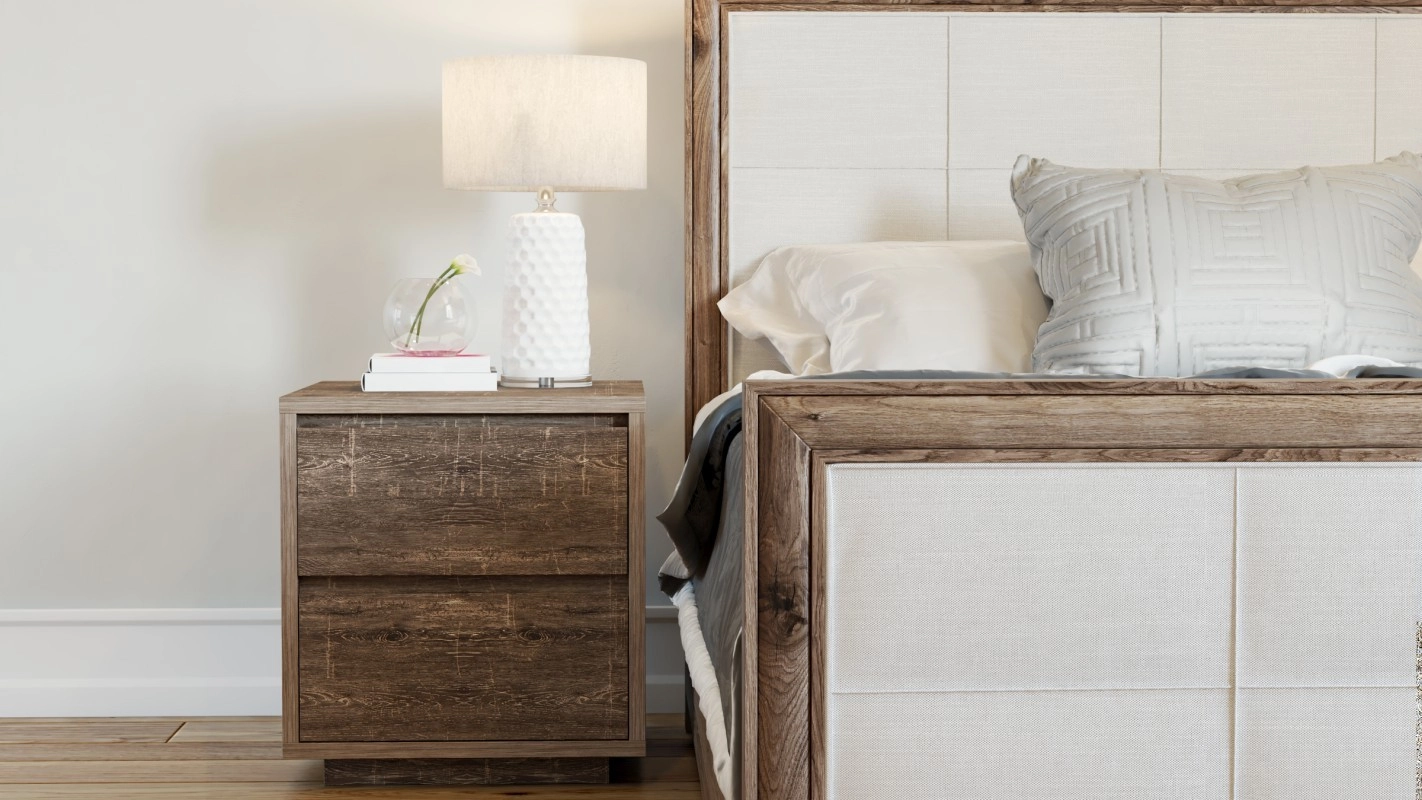
Lifestyle Rendering is very popular in 3D furniture rendering services. In the case of furniture, a lifestyle 3D rendering might show how a particular sofa, chair, or table might look in a beautifully designed room, complete with wall colors, decorations, other pieces of furniture, natural and artificial lighting, and even human models for scale and reference.
It’s like setting a stage for the product where potential customers can visualize the product in a context similar to their everyday life. This method of presentation not only enhances the visual appeal of the product but also allows potential customers to imagine how it would fit into their own homes, thereby creating a connection and increasing the likelihood of a purchase.
This is why Lifestyle 3D rendering has become an increasingly popular tool for marketing and advertising, especially in sectors such as home decor, interior design, and furniture sales.
Lifestyle Scene vs. Studio Silo Renders
While isolated studio silo renders display furniture against neutral white voids, lifestyle 3D rendering places pieces into complete living spaces with architectural finishes, matching decor, and natural lighting setups that communicate immediate functional scale.
Complete Room Set Styling
Virtual room sets allow furniture brands to customize wall palettes, accessory props, complementary textiles, and architectural trim—creating cohesive home environments that help buyers picture products in their own living spaces.
Creates an Emotional Connection Through Immersive Visualization
1. Immersive Visualization: 3d rendered furniture can feel more inviting than regular photographs. This is why more and more furniture brands today are replacing their traditional photo shooting with 3d furniture visualization. We will see some of 7CGI’s 3D Furniture lifestyle Renderings creations throughout the blog post.
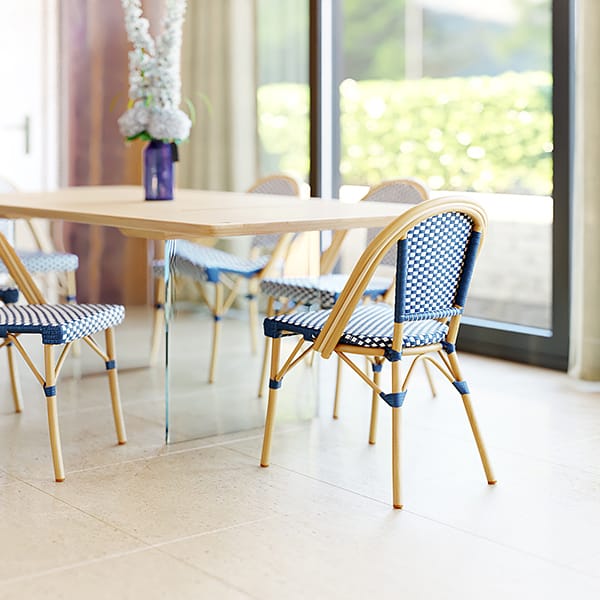
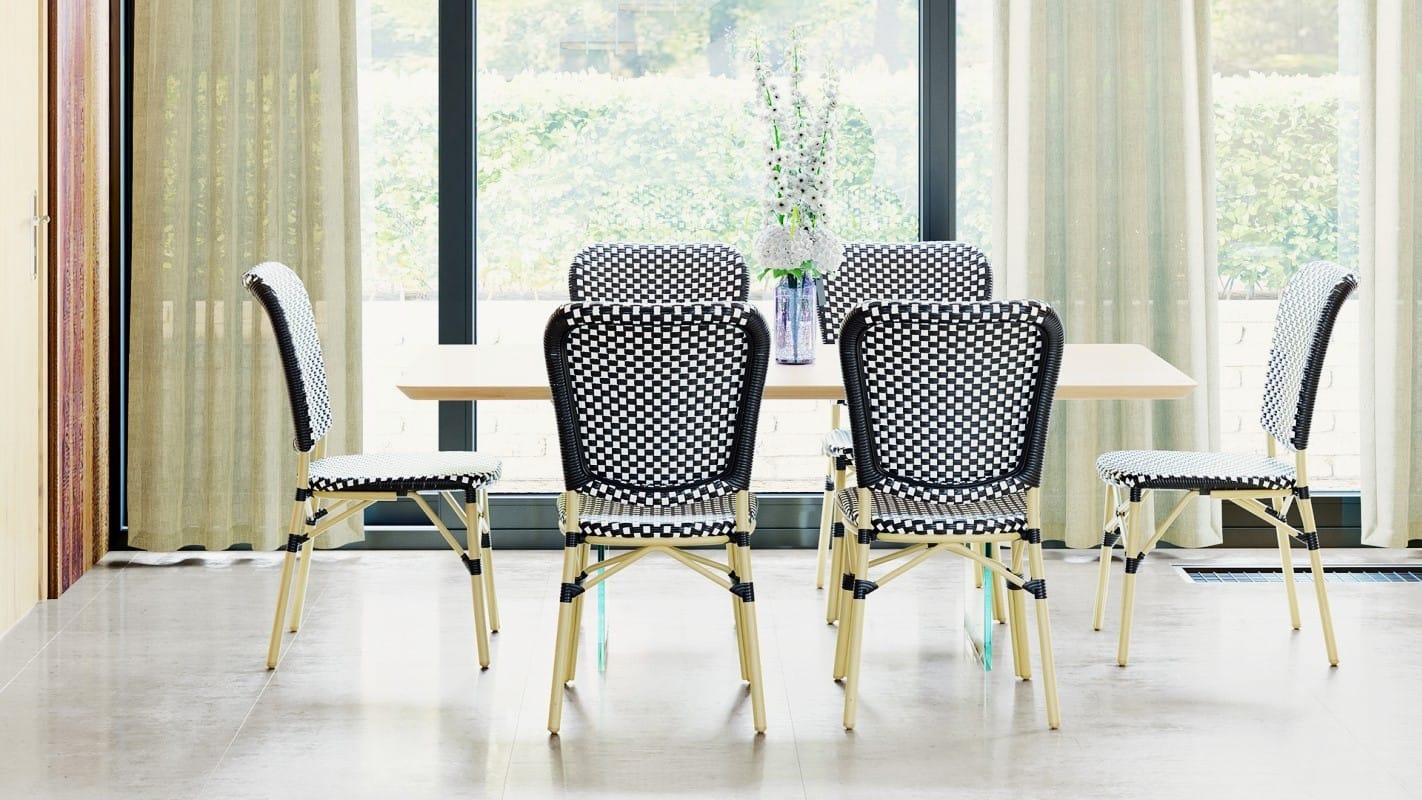
Lifestyle 3D rendering showcases furniture not just as a standalone product but in the context of a complete, well-decorated space. By situating your product in a relatable, desirable environment, customers can better visualize the product in their own homes. This is how 3d rendered furniture helps establish an emotional connection between your customers and your products, making them more likely to purchase.
Cost-Effective and Flexible Digital Staging
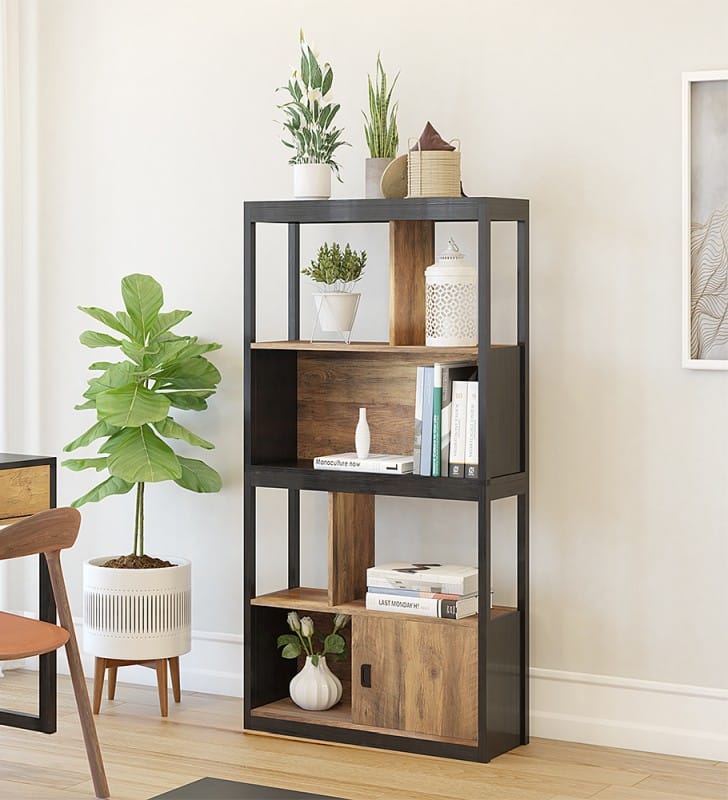
2. Cost-Effective and Flexible: Traditionally, lifestyle shots for furniture brands would require renting or buying a location, setting up the scene, hiring a photographer, and more. With lifestyle 3D rendering, you can create and modify scenes digitally with far less expense. It also allows for quick and easy changes, whether you want to showcase different variations of a product, change the scene’s lighting, or even change the whole room setup.
Lighting Mood Design & Ambience
Digital environments provide precise control over lighting moods—from vibrant golden morning sunbeams and bright midday daylight to warm evening ambient lamplight and cozy twilight glows without re-scheduling photography crews.
Agile Material & Layout Variations
Swap upholstery fabrics, wood veneers, leather grades, and wall color schemes on demand. Brands can test and generate an entire catalog line’s variations from a single master 3D model asset.
Boosts Online Shopping Experience & AR Immersion
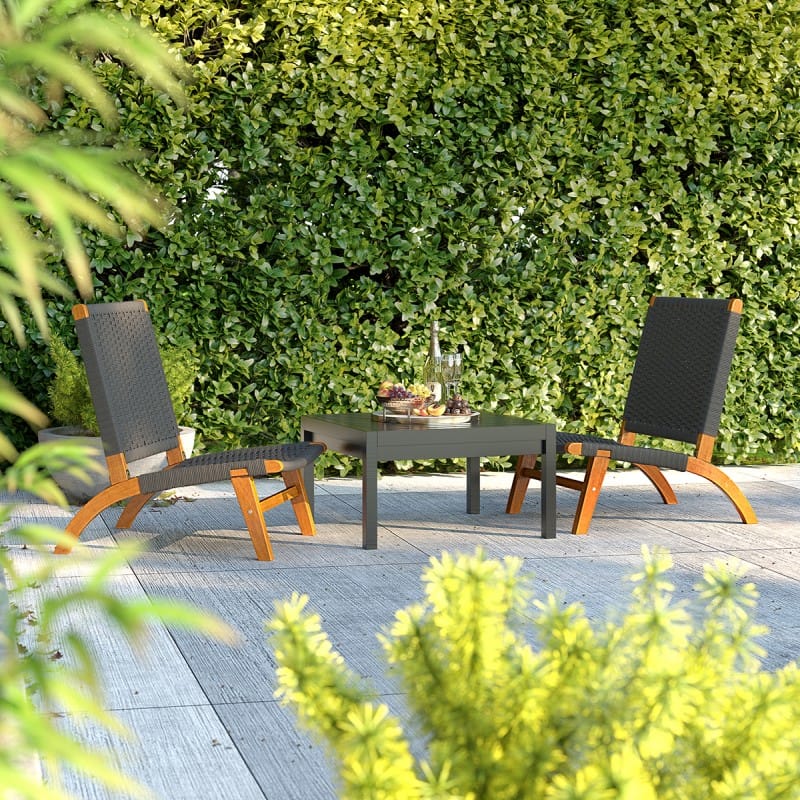
3. Boosts Online Shopping: With the rise of eCommerce, providing an online shopping experience that rivals in-store browsing is key. Lifestyle 3D rendering can help by offering a more realistic, dynamic view of your products. Coupled with technologies such as Augmented Reality (AR), customers can virtually place a piece of furniture in their own homes, further enhancing the shopping experience and leading to higher conversion rates.
Interactive AR & In-Room Scale
Integrating 3D assets with mobile Augmented Reality (AR) allows prospective buyers to project furniture directly into their actual rooms, verifying physical footprint, clearance, and decor harmony in real time.
Higher Conversion & Lower Return Rates
Realistic contextual imagery answers buyer doubts regarding scale, depth, and spatial interaction before checkout—boosting conversion confidence and significantly curbing post-purchase return friction.
Enhances Brand Image Across Catalogs and Marketing
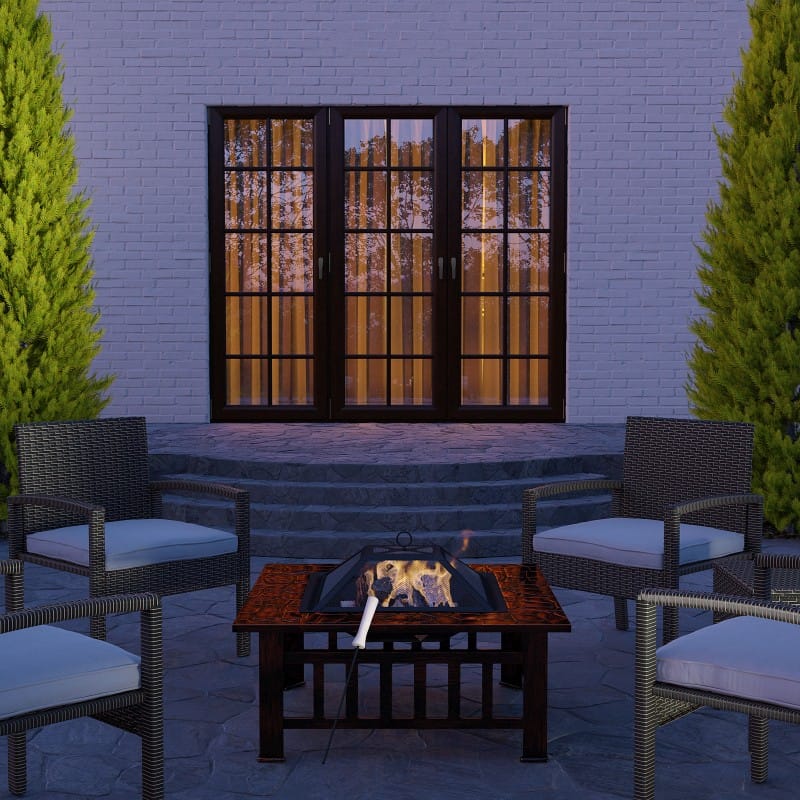
4. Enhances Brand Image: High-quality, professional-looking 3D product renderings can significantly improve your brand image. They give the impression that your company is modern, innovative, and customer-focused. In a competitive marketplace, this can be a critical differentiator.
By incorporating lifestyle 3D rendering into their strategies, furniture brands can create more engaging, high-quality, and effective catalogs and marketing materials that attract customers and drive sales. To learn more about our 3d furniture rendering services, please visit our service page. If you have any questions regarding this blog post, please don’t hesitate to email me at abdullah@7cgi.com.
Frequently Asked Questions
What is 3D lifestyle rendering for furniture brands?
Lifestyle 3D rendering is a computer graphics technique that creates life-like representations of furniture products in a contextual setting representing their intended use or a particular lifestyle. Rather than showcasing furniture against an isolated white background, it shows how sofas, chairs, or tables appear in a fully decorated room complete with wall colors, accessories, natural and artificial lighting, and human models for scale.
Why are furniture brands replacing traditional photography with 3D lifestyle rendering?
Traditional lifestyle photography requires leasing studio spaces or physical locations, shipping heavy furniture prototypes, building physical sets, and hiring photography crews. 3D lifestyle rendering enables brands to generate photorealistic environments digitally at significantly lower cost while providing complete flexibility to change scene lighting, swap materials, and reconfigure room layouts on demand.
How does lifestyle 3D rendering increase furniture e-commerce conversions?
Placing furniture into relatable, desirable environments helps online shoppers imagine how pieces will look and fit inside their own living spaces, forming an emotional connection that motivates purchase decisions. Additionally, 3D assets integrate seamlessly with Augmented Reality (AR) tools, allowing buyers to project true-to-scale virtual furniture into their rooms to check dimensions and clearance before buying.
How does 3D lifestyle rendering improve overall brand image?
High-resolution, photorealistic 3D product imagery communicates that a brand is innovative, sophisticated, and committed to visual quality. Delivering consistent, catalog-grade lifestyle visuals across websites, lookbooks, and advertising channels serves as a powerful competitive differentiator in crowded furniture marketplaces.