

When and Why You Should Avoid White Background Product Photography
The market is saturated with small to large tools for white background product photography. It signals that white background product images are still popular for their isolated and clean appearance.
For e-commerce & product teams
The Critical Limitations of White Background Photography in Modern Commerce
The market is saturated with small to large tools for white background product photography. It signals that white background product images are still popular for their isolated and clean appearance.
In this blog, I will discuss cases where and why you should not use white background product photography.
Stand Out With Your Style
So, you have hired a brand designer to create your own style. Then why would you not want to promote that style? Every cool product you sell should speak not only of its features but also of your brand.
One advantage is that people can tell it’s you just by looking at the product thumbnail. You stand out in the overly crowded market and establish your style in the hearts of people.
It can be through a creative-themed background or with a simple tone of color that is used in your branding.
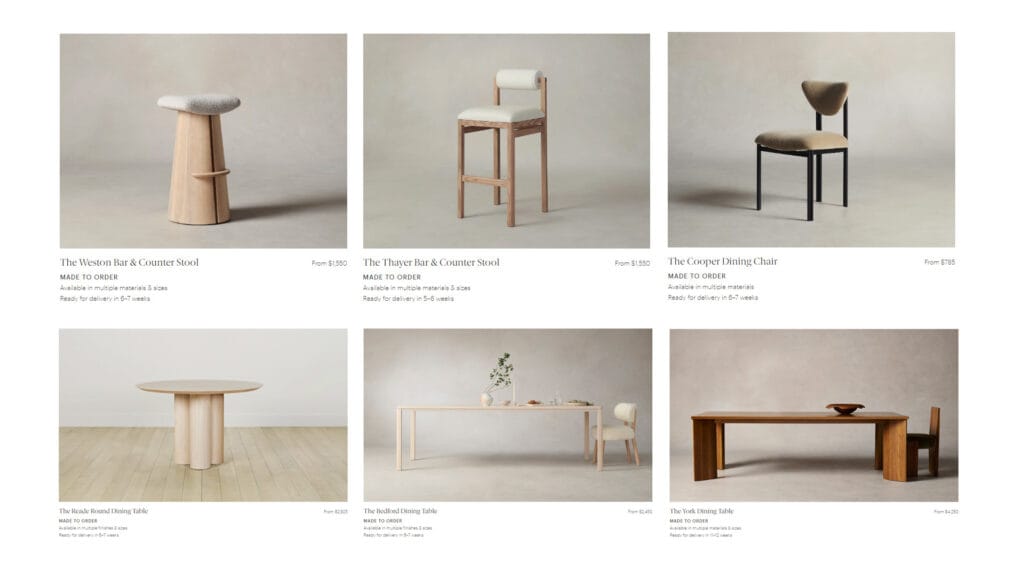
As you can see Maiden home product catalog talks about their brand as well. Visit Maiden Home to see how they establishes an eye pleasing earthy tone through their product catalog. I just love their style.
Maiden Home sells furniture, where the in situ shot does most of the selling. That kind of set is what 3D furniture rendering is for: one model, then as many room settings and fabric options as the catalog needs, without rebooking a studio.
Tell a Story with Your Photos
You can try any creative background for your product. But be consistent with your background themes.
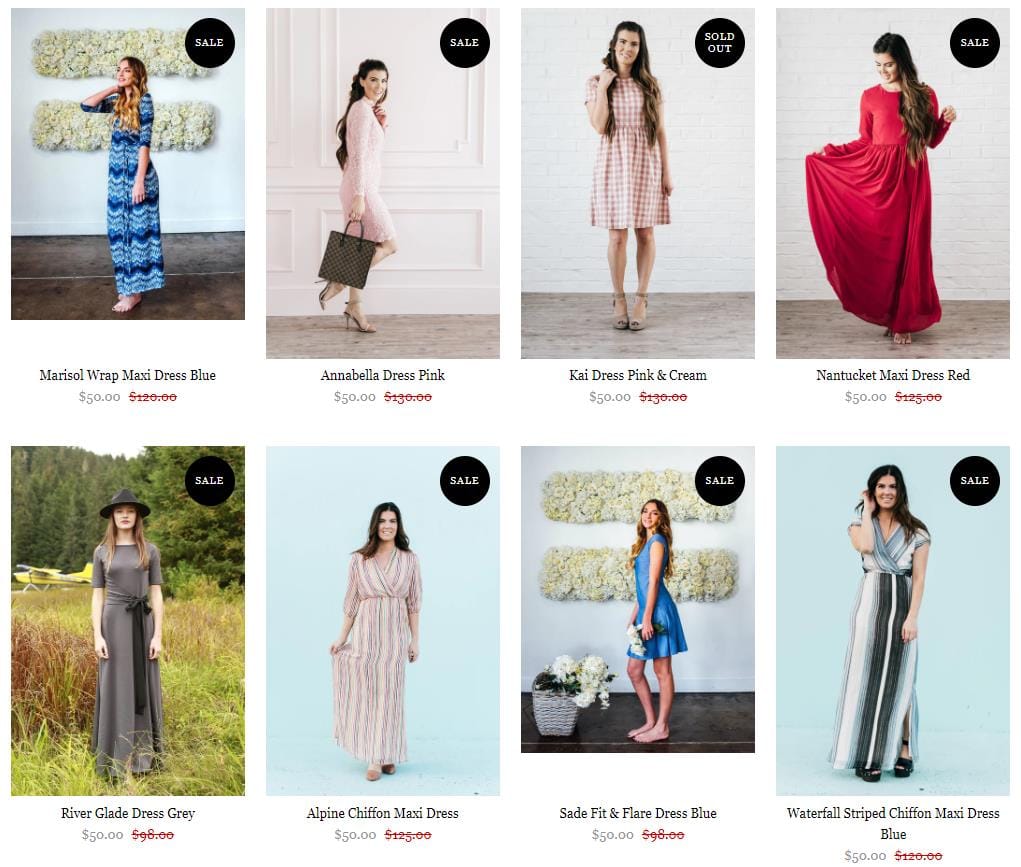
I did not like how Shabby Apple used various styles of backgrounds. They could have established a particular theme aligned with their style. But it’s still better than white background photos, in my opinion.
Use lifestyle images to showcase your product instead of white background photos. Or at least use a natural background. It is more eye-pleasing than a white background.
Contextual Lifestyle & Natural Staging
Use lifestyle images to showcase your product instead of white background photos. Or at least use a natural background. It is more eye-pleasing than a white background, establishing a particular theme aligned with your brand style.
Thematic Consistency Over Isolated Voids
Every cool product you sell should speak not only of its features but also of your brand. Consistent lifestyle themes allow customers to recognize your company instantly from listing thumbnails across saturated markets.
Highlight Features and Benefits
Sometimes, a white background doesn’t do justice to your product’s special features. If you’re selling something waterproof, show it in action with splashing water. If it’s a pair of running shoes, why not photograph them on a running track? This way, you’re not just showing the product; you’re showcasing what makes it great.

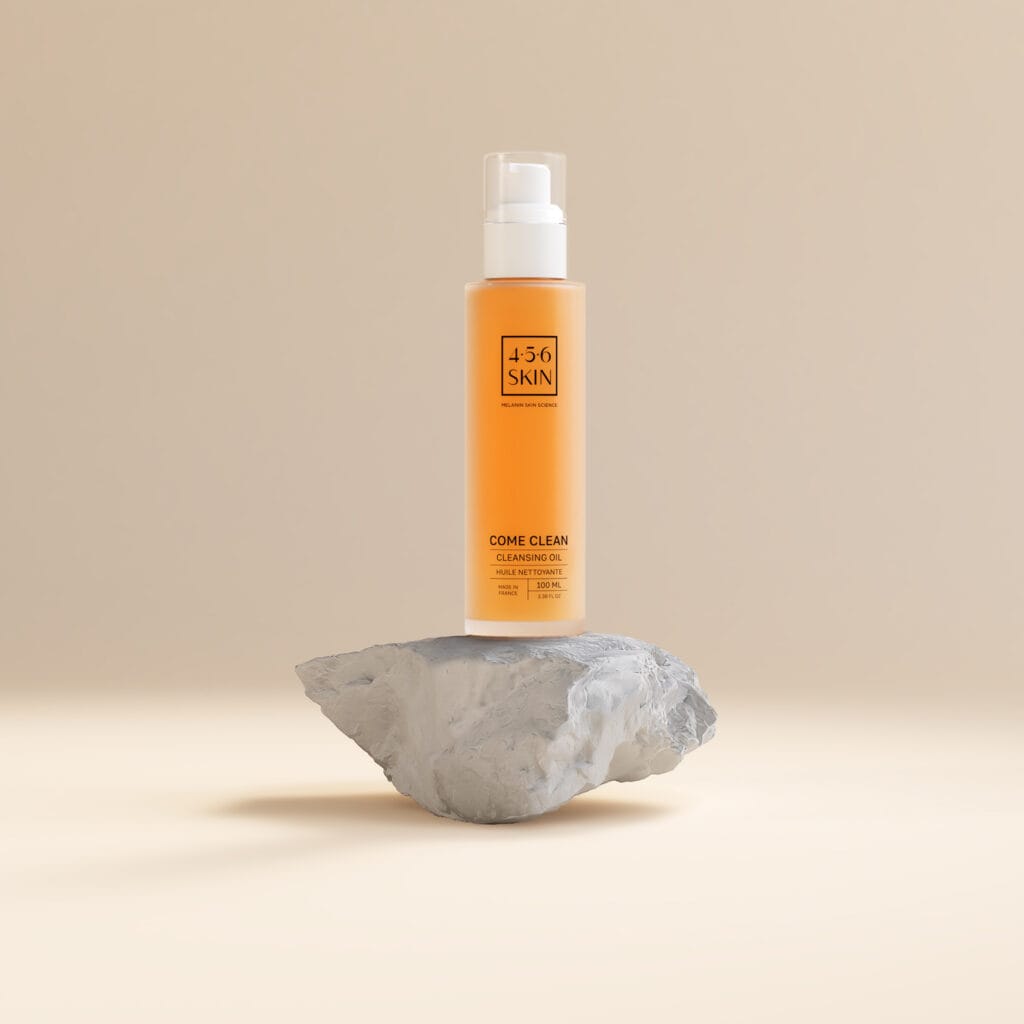
Try to smell the flower in the image above. The brand is associating its product with that smell. If you love the smell of this flower and are looking for a face polish, they have you hooked.
In-Action Feature Demonstration
If you’re selling something waterproof, show it in action with splashing water. If it’s a pair of running shoes, photograph them on a running track. This way, you’re not just showing the product; you’re showcasing what makes it great.
Sensory Associations That Hook Buyers
Associate your product directly with relatable sensory cues. Pairing cosmetic tubes with fresh petals communicates fragrance, ingredients, and organic quality far more persuasively than an empty white box.
Create Emotional Connections
Colors and environments can stir emotions. A white background is clean and simple, but it might not evoke feelings. By choosing a background that complements your product, you can create an emotional response. Warm colors can make a product feel cozy, while cool colors can give off a high-tech vibe.
Warm Colors & Cozy Atmosphere
Warm colors can make a product feel cozy, welcoming, and grounded in daily life. Rich earth tones and warm environmental lighting stir comforting emotional responses that resonate deeply with home and lifestyle shoppers.
Cool Colors & High-Tech Vibe
Cool colors can give off a sleek, high-tech vibe. By choosing a background that complements your product, you can evoke innovation, precision, and modern elegance tailored to tech, performance, and luxury categories.
When You Have Only A Few Products To Sell
Buying a great studio setup can cost a lot of money. There is no reason to spend on those tools if you have a low number of products. You can hire 3D Product Rendering Services at a much lower cost. Read this Jewelry Rendering case study to learn how Braverman Jewelry sends casually picked photos to 7CGI studio and gets great images. That work run as 3D Jewelry Rendering
Physical Studio Costs vs. CGI Efficiency
Buying a great studio setup can cost a lot of money, with specialized lighting, cameras, and physical space that don’t make financial sense for small catalogs. 3D rendering unlocks limitless staging at a fraction of the cost.
Casual Reference to Commercial Quality
You don’t need complex production pipelines to start. As Braverman Jewelry proved, sending casually picked photos to 7CGI studio produces stunning photorealistic imagery and digital studio environments that elevate sales.
Many retailers require white background images to keep their sites simple. But in places where this is not the case, I encourage using images that can tell a story, promote your brand, and ignite emotions.
While white background has its place, by stepping away from it, you can make your products more appealing and memorable. So, next time you’re planning a product shoot, consider going against the norm. By the way, don’t just remove the background; try to establish a great studio environment.
Frequently Asked Questions
When should you avoid white background product photography?
You should avoid white background product photography when your product needs to promote a distinct brand style, evoke emotion, demonstrate functional features in action (such as waterproof gear with splashing water), or establish scale in situ. While white backgrounds offer a clean, isolated appearance, lifestyle and themed backgrounds make products significantly more appealing and memorable to buyers.
Why do lifestyle renderings convert better than white background photos?
Lifestyle renderings place items in realistic living spaces or active scenarios where in situ imagery does most of the selling. Contextual staging evokes emotional connections, establishes color harmony, and triggers sensory associations (like fresh botanicals with skincare products) that increase buyer confidence and catalog conversion rates.
How can 3D product rendering help small businesses save money on studio photography?
Buying professional cameras, studio lighting, backdrops, and renting photography spaces can cost substantial money—which is not justifiable for a small number of products. Brands can hire 3D product rendering services at a much lower cost. As shown in the Braverman Jewelry case study, brands can send casually taken reference photos to 7CGI studio and receive photorealistic commercial imagery without booking physical sets.
What is the advantage of 3D furniture rendering for catalog production?
In furniture retail, the in situ room shot does most of the selling. 3D furniture rendering builds one digital 3D model, allowing brands to generate as many photorealistic room settings, lighting moods, and fabric options as their catalog needs without shipping bulky furniture or rebooking physical photography studios.