

3D Product Rendering for a Company Selling Airplane Seats
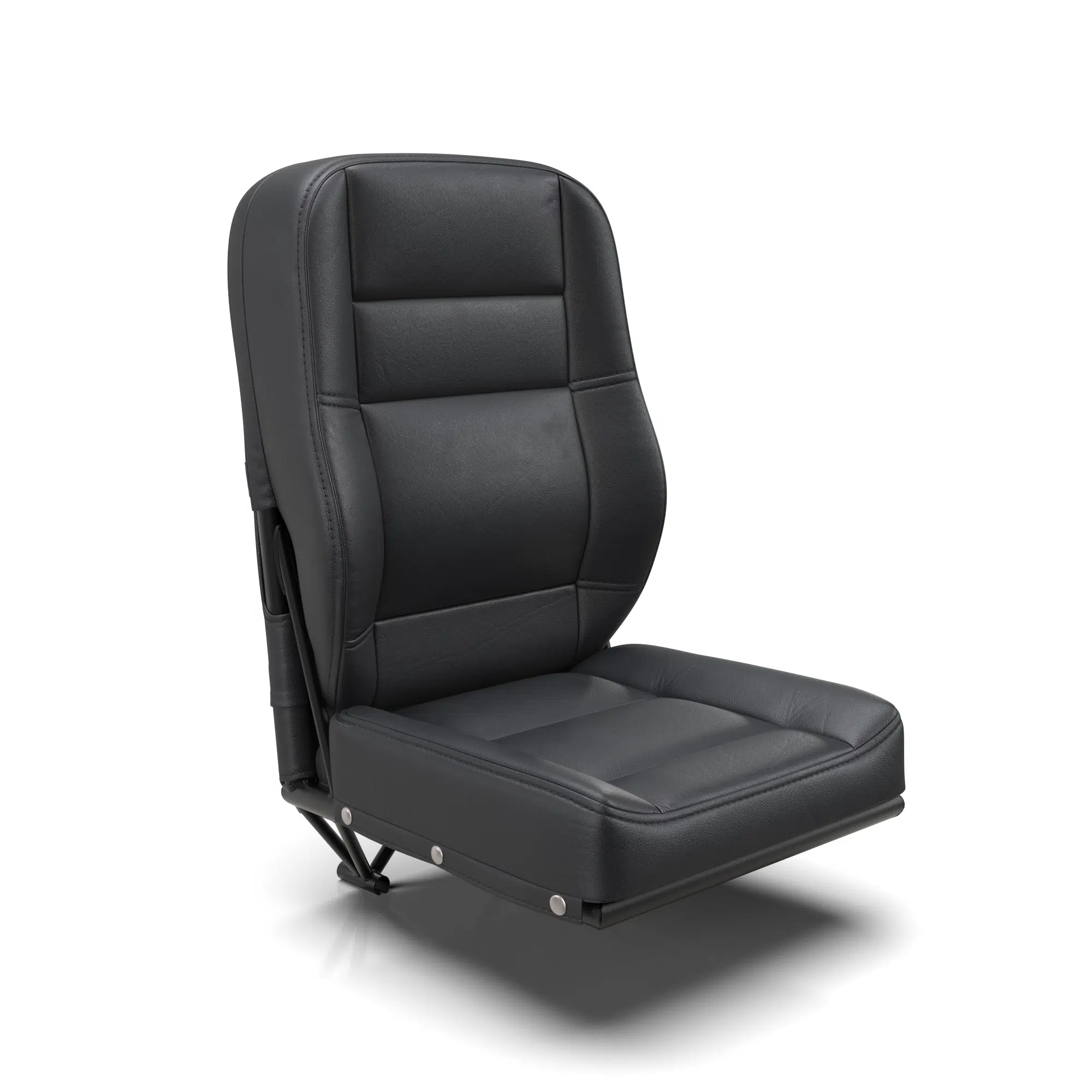
A shared seat model supports leather, fabric, and perforated upholstery variations, with carefully shaped cushions, stitching, and consistent camera views for an aircraft seating catalog.
Product visualization · Location not published
The Situation
A company in the United States that manufactures aircraft seats approached us to create realistic product images for their catalog and website.
Their seats are used in small aircraft and are offered with many upholstery options. Customers can choose from different fabrics, leather materials, and color combinations.
If the company tried to photograph every variation, they would first need to manufacture each version of the seat. This would require building many prototypes and organizing multiple photoshoots, which would be expensive and slow.
Instead, they chose to use 3D product rendering services to visualize all seat variations. This allowed them to present consistent, realistic product images without producing physical prototypes for every option. Some of the 3D Product Images we created for them-


The Challenge
At first glance, this project might seem like a standard 3D rendering task. In reality, the client only provided the internal seat frame. The upholstery did not exist yet as a finished product.

Using sketches and reference photos, we designed the upholstery digitally so the final images would show how the seat would look once manufactured.
Our goal was simple: make the seats look exactly like the real product the company would deliver to customers.

That meant shaping the upholstery so it naturally wraps around the frame, placing the stitching in the right locations, and making sure the fabrics and leather feel authentic in the images.
Because these images would be used for product sales, the details needed to feel natural and believable. Customers should be able to look at the images and feel confident that the manufactured seat will look the same.
Building an Accurate 3D Model
The client shared several reference materials to guide the work:
- The 3D cushion geometry for the seat base
- Photos of the seat frame from different angles
- Key reference measurements
- Photos of finished seats used as visual reference
- Using these materials, we built a clean base model that reflects the real product.
- Once this base model was approved, it became the foundation for all future seat variations.


Creating Realistic Materials and Details
One of the main reasons product renders look unrealistic is when the materials feel artificial.


So we focused on getting the materials and small surface details right. Subtle folds, creases, and natural variations help the seat feel like a real upholstered product rather than a digital model.
For this project, we developed three main materials Leather, Fabric, and perforated leather
Working Closely With the Client
3D Product visualization often includes a few refinements, especially since the client understands their product better than anyone and knows exactly how the final manufactured seat should look.
After reviewing the images, the client shared feedback such as:
- Adjusting fabric colors slightly
- Correcting the weave direction on certain panels
- Reducing gloss on the leather
- Refining seam depth and indentations
These refinements helped ensure the product renders matched the real product as closely as possible.

This type of collaboration is valuable when creating visuals for manufacturing companies.
Creating a System for Product Variations
Once the model and materials were finalized, we built a rendering setup that allows the client to create many seat variations quickly and consistently.
Using the same base model, the seat can now be presented in:
Different leather colors
Different fabric colors
Single tone designs
Two tone combinations
Perforated and non perforated versions
Because all renders use the same lighting and camera angles, every image looks consistent across the product catalog.

The Result
The client now has a flexible set of product images that can be used for their website and marketing materials.
Instead of producing physical samples and photographing them, they can generate images digitally and manufacture the seats based on customer demand.
This allows them to:
- Show many seat variations online
- Let customers choose options that match the aircraft interior they are designing
- Understand which variations attract the most interest and sales
- Manufacture seats based on confirmed orders
- Maintain consistent product visuals
- Reduce the cost of product photography
Please visit 3D product visualization service to know in detail.