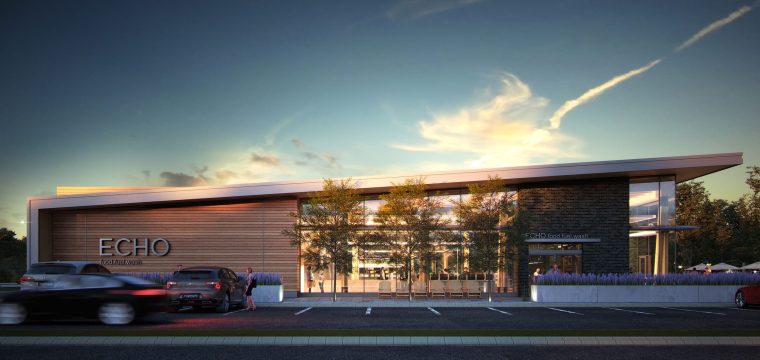
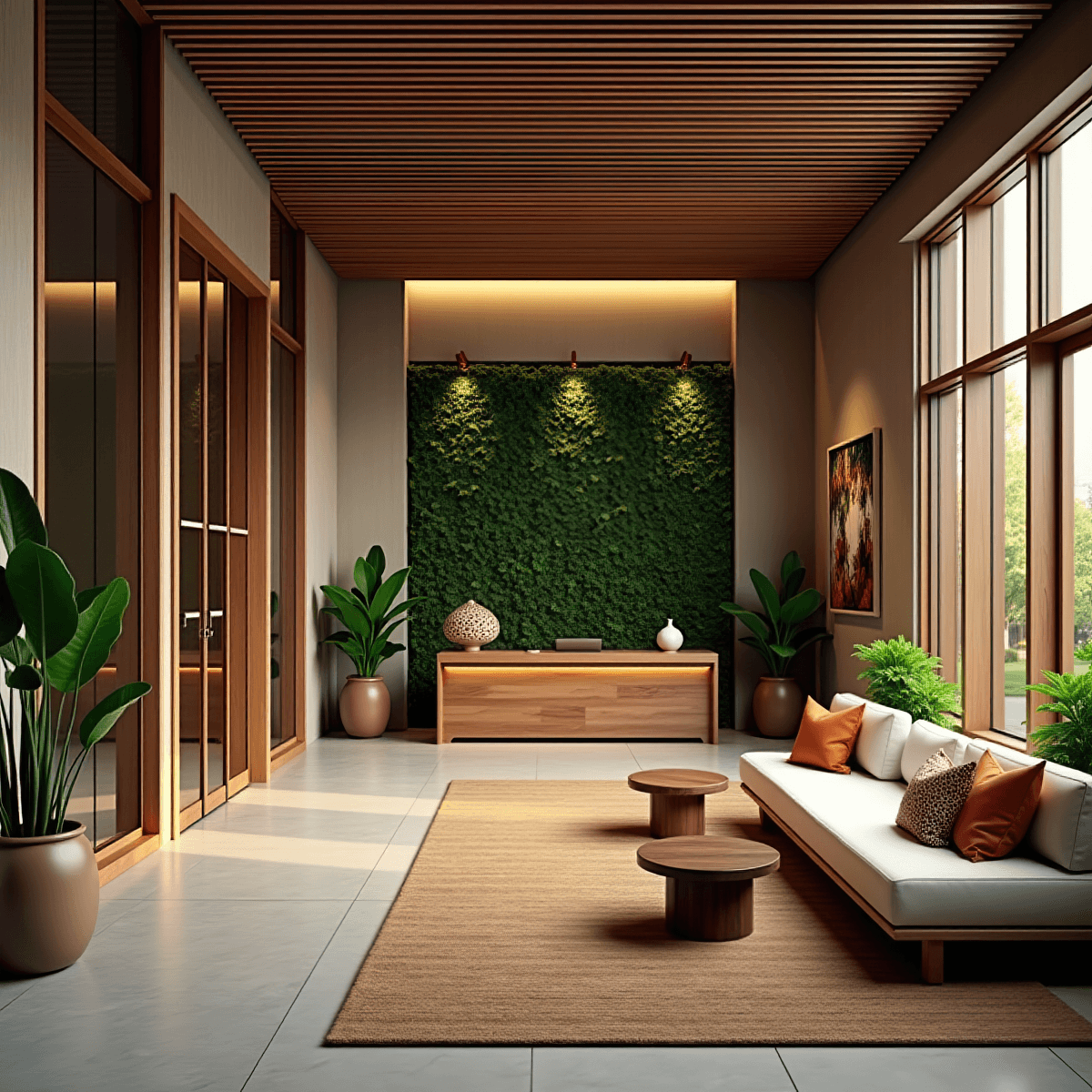
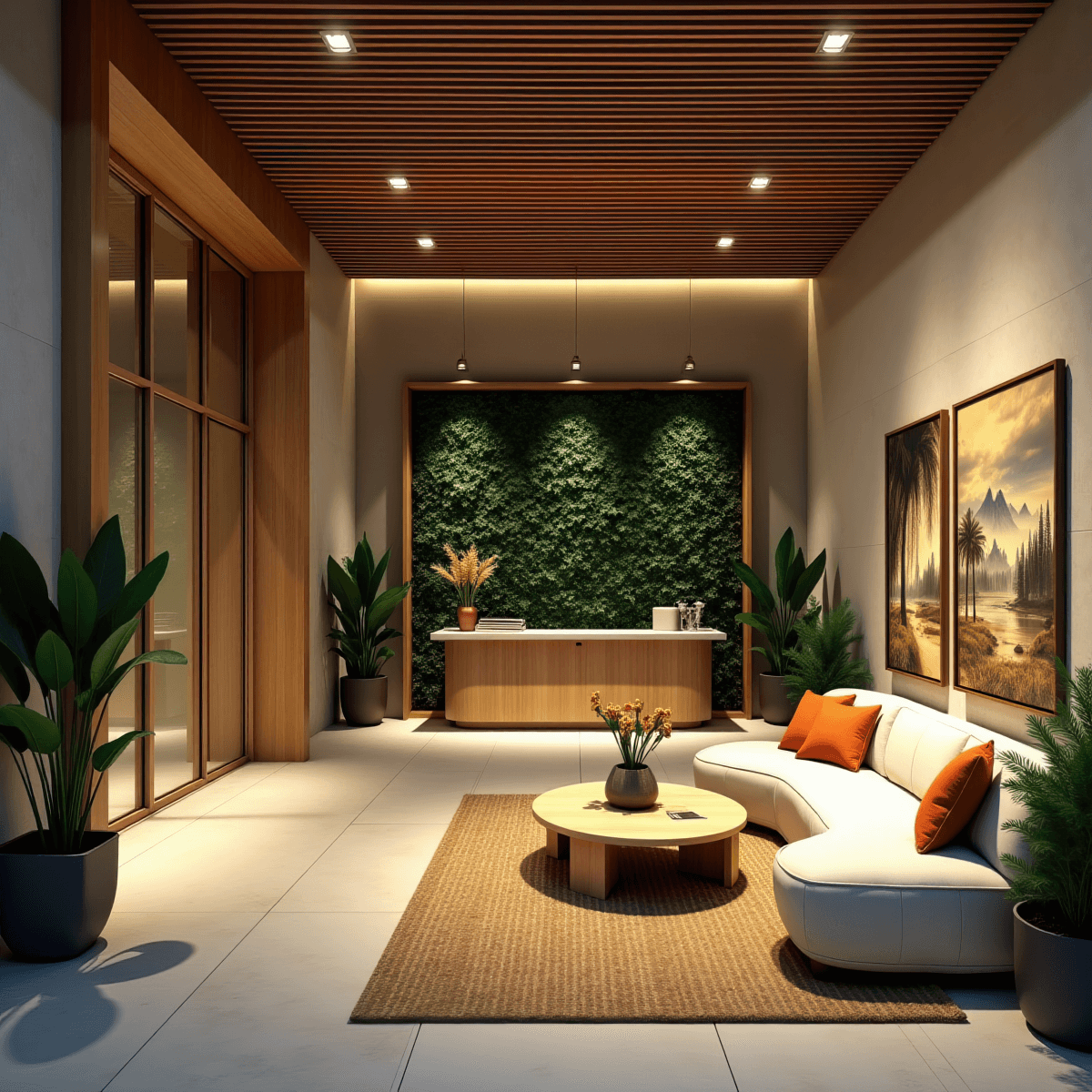
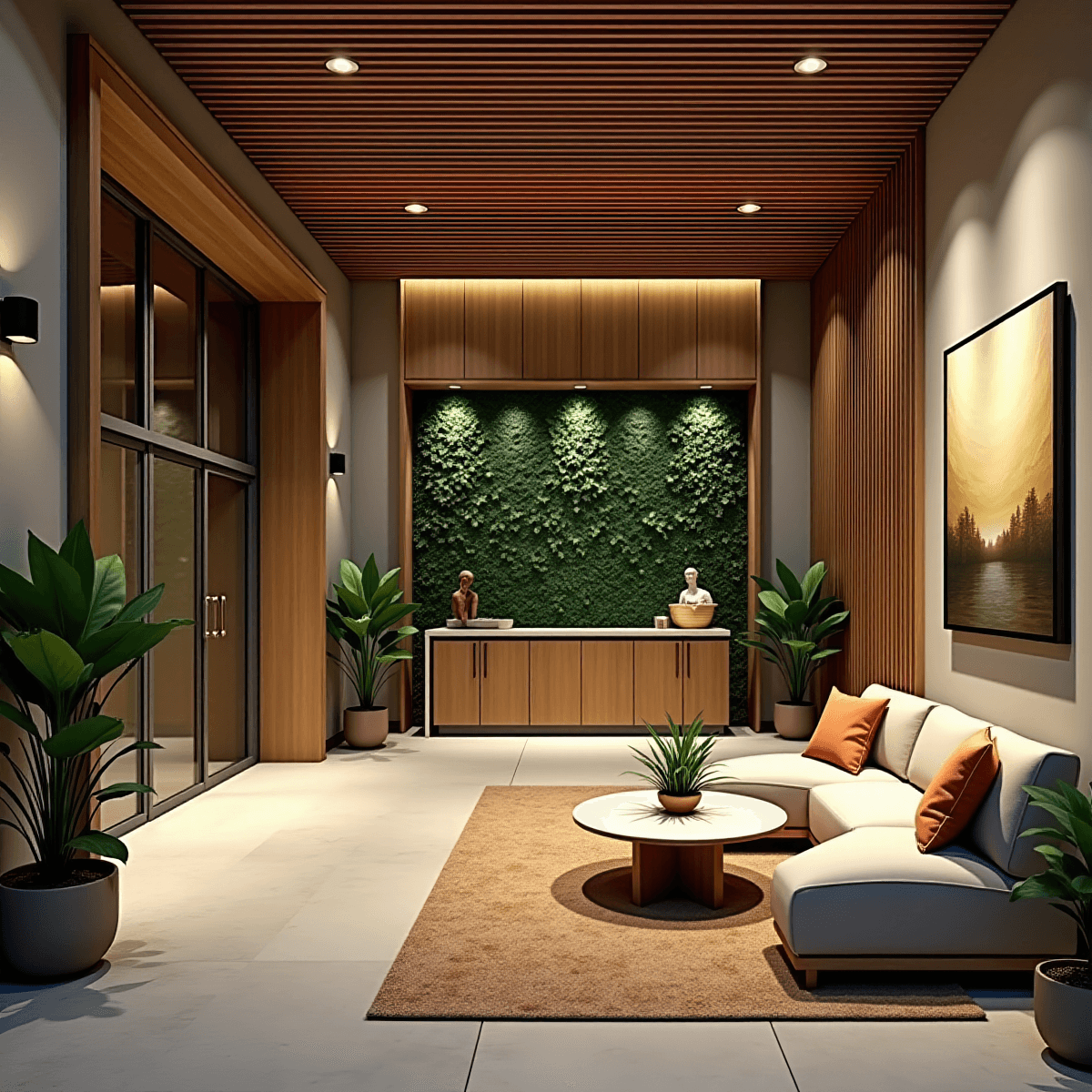
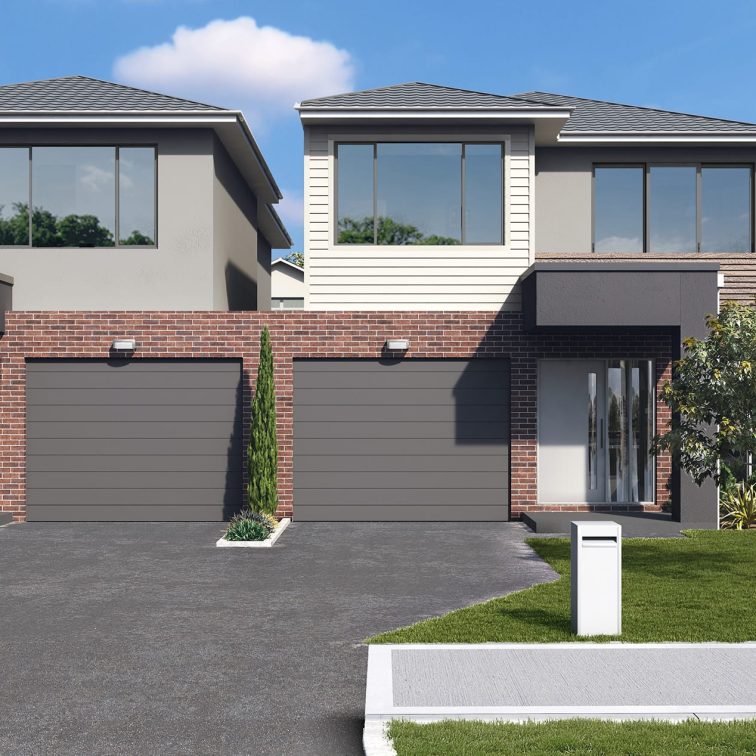
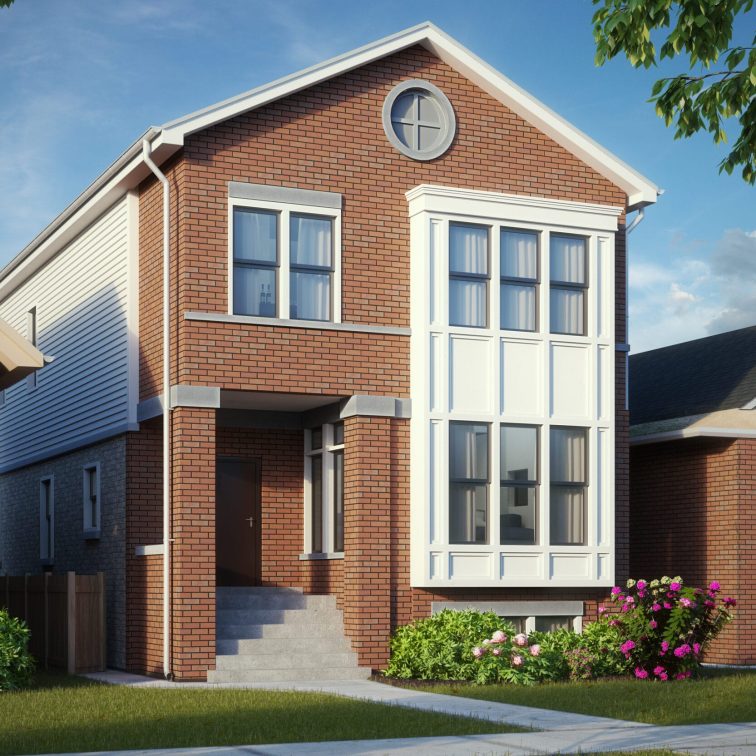
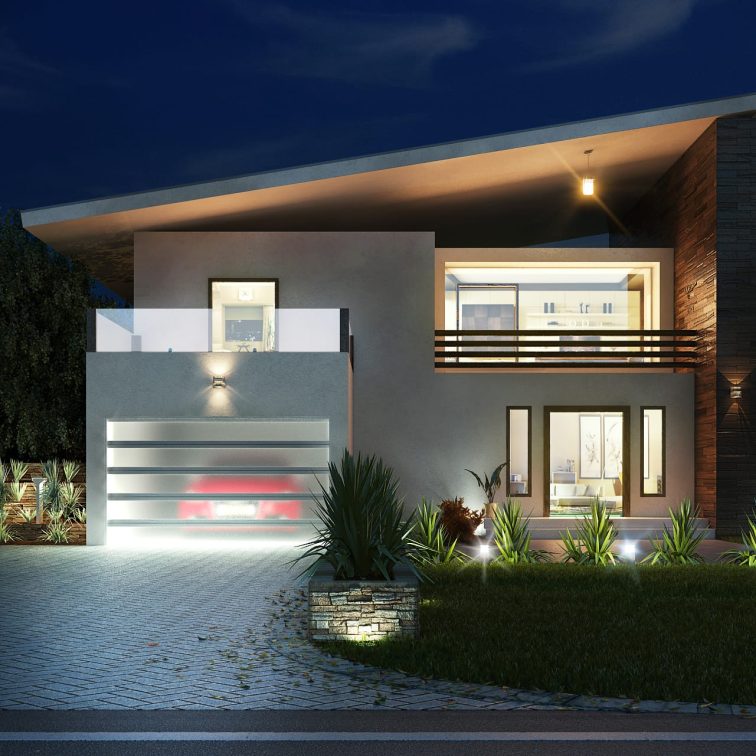
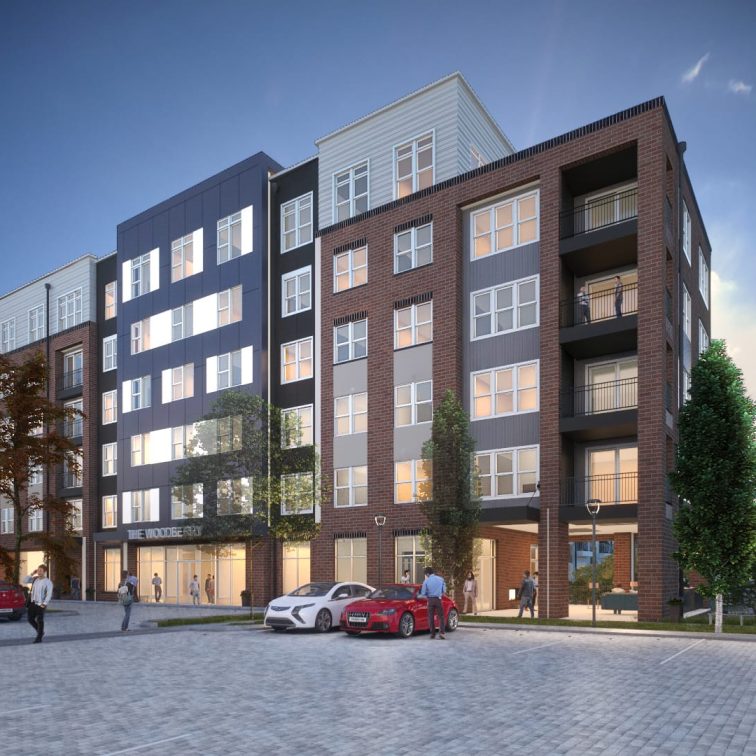
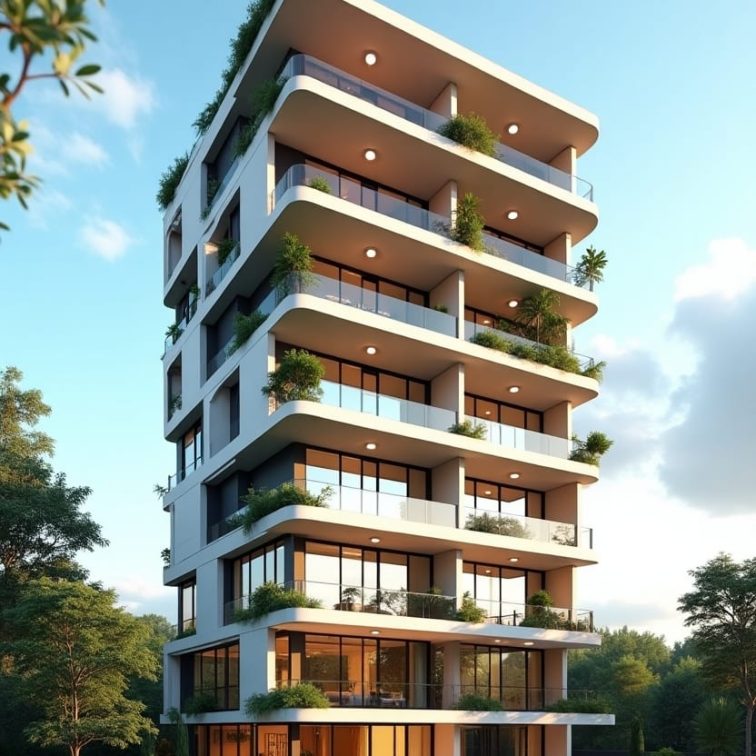
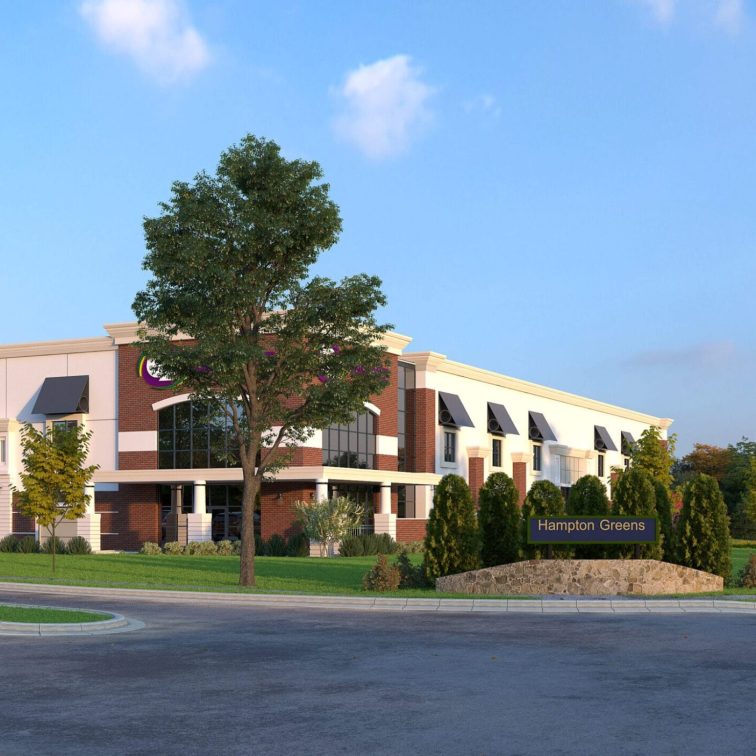
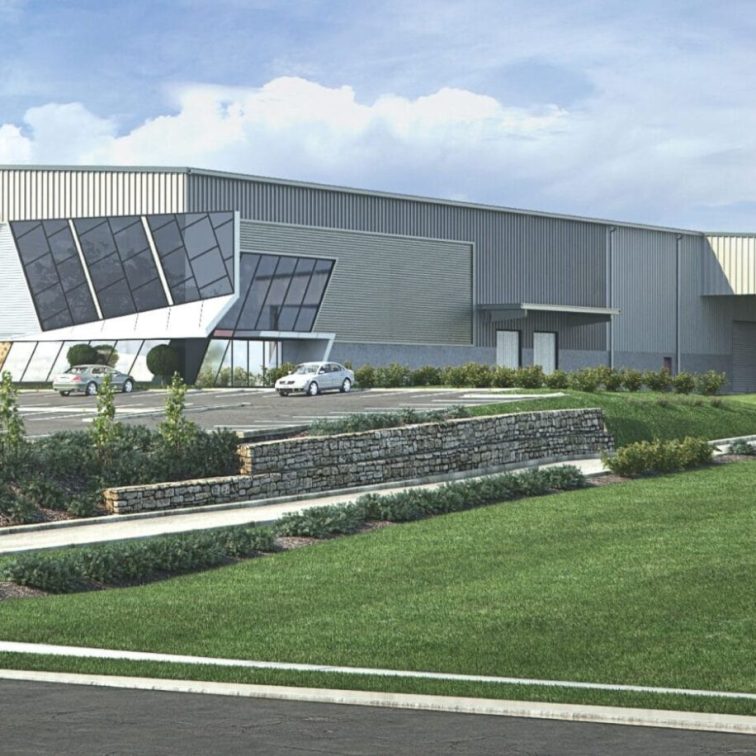
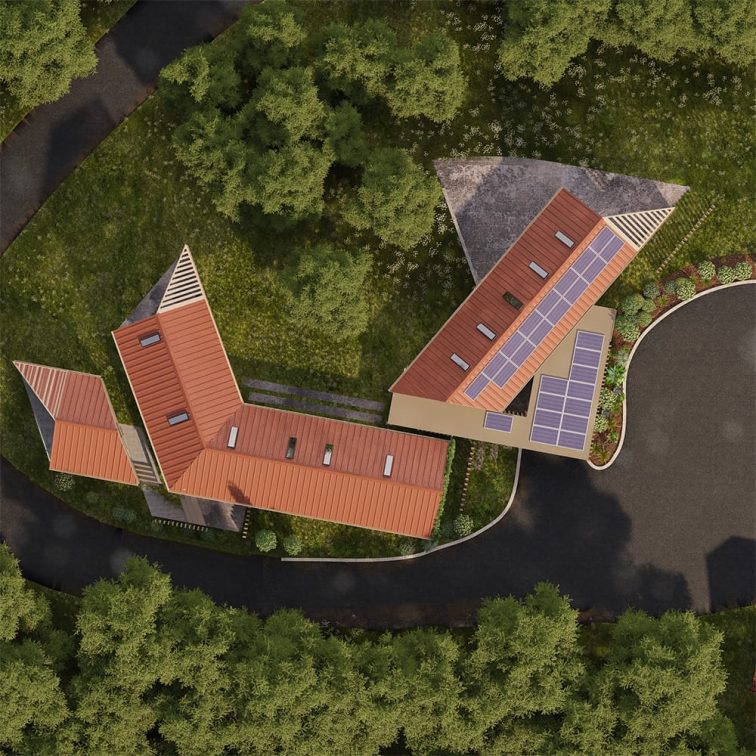
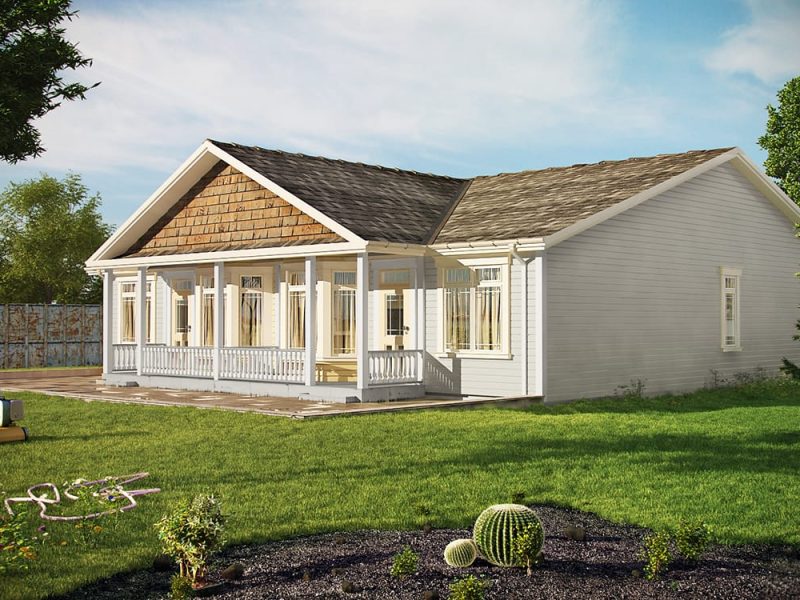
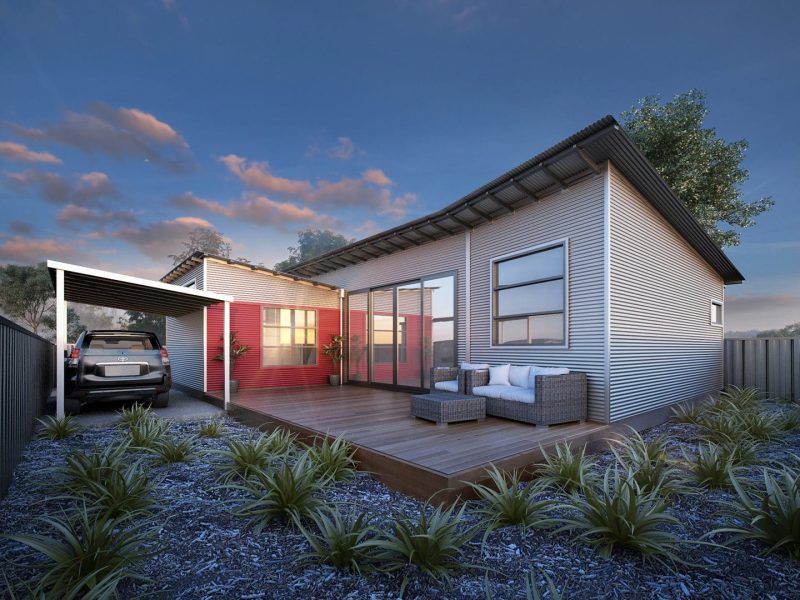
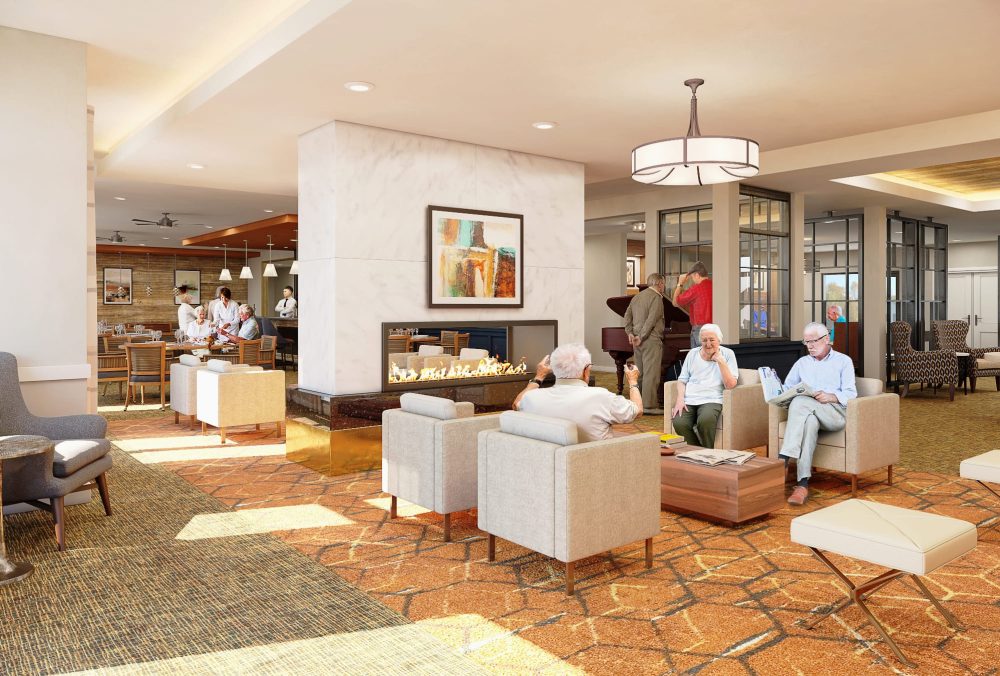
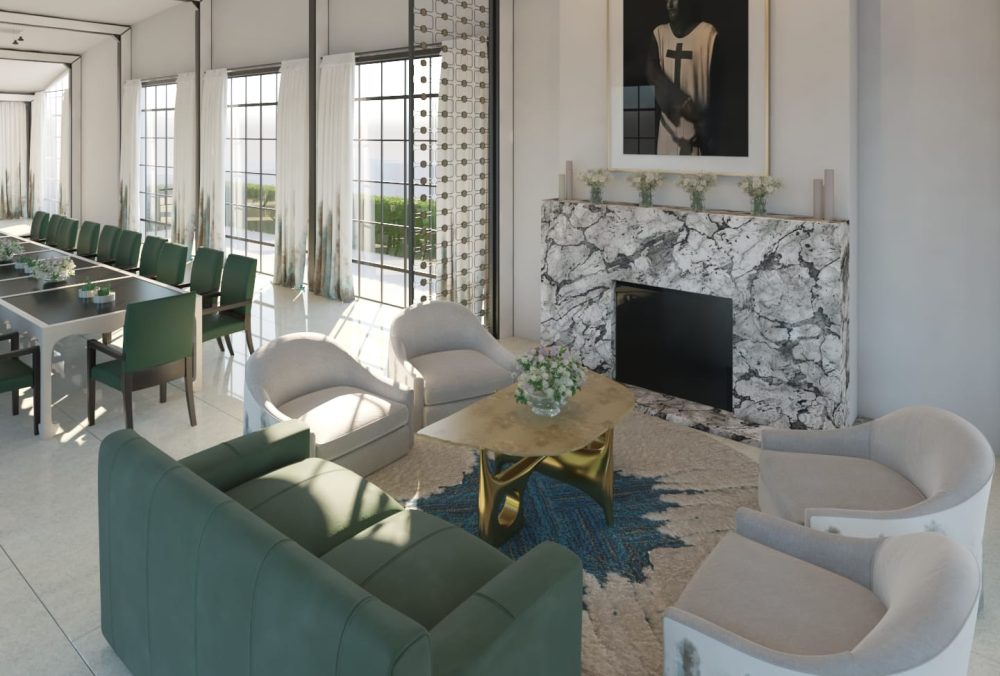
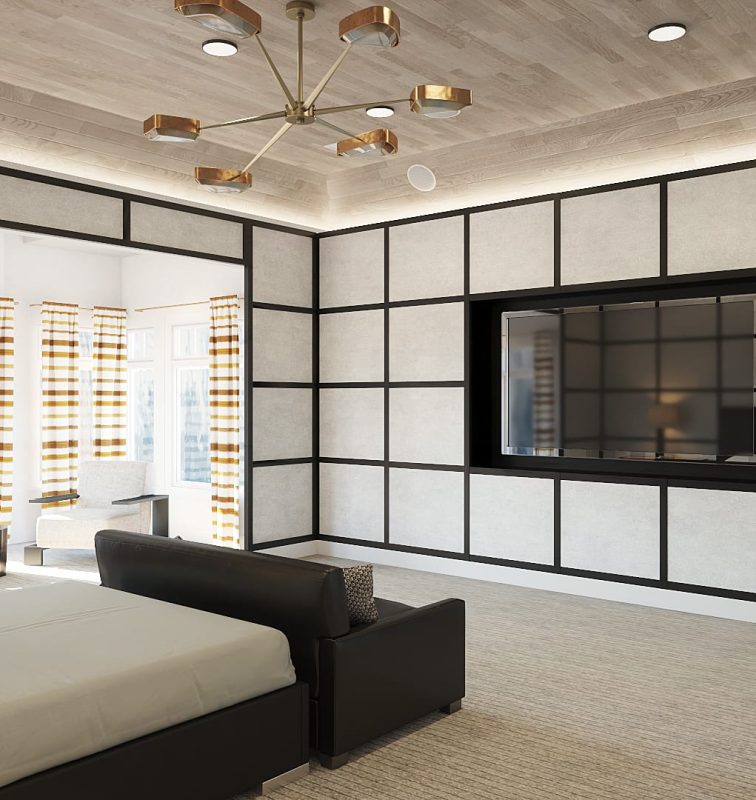
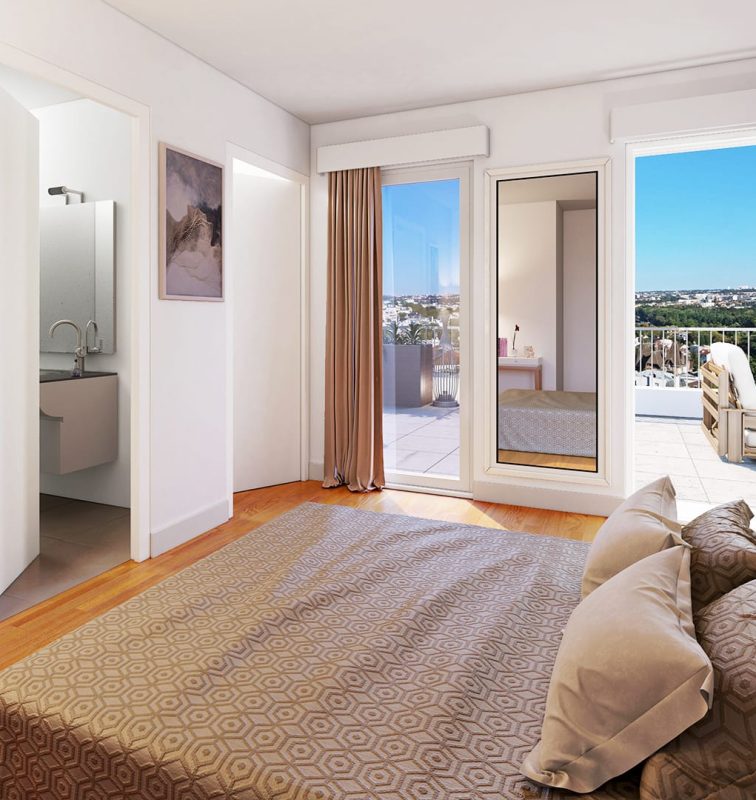
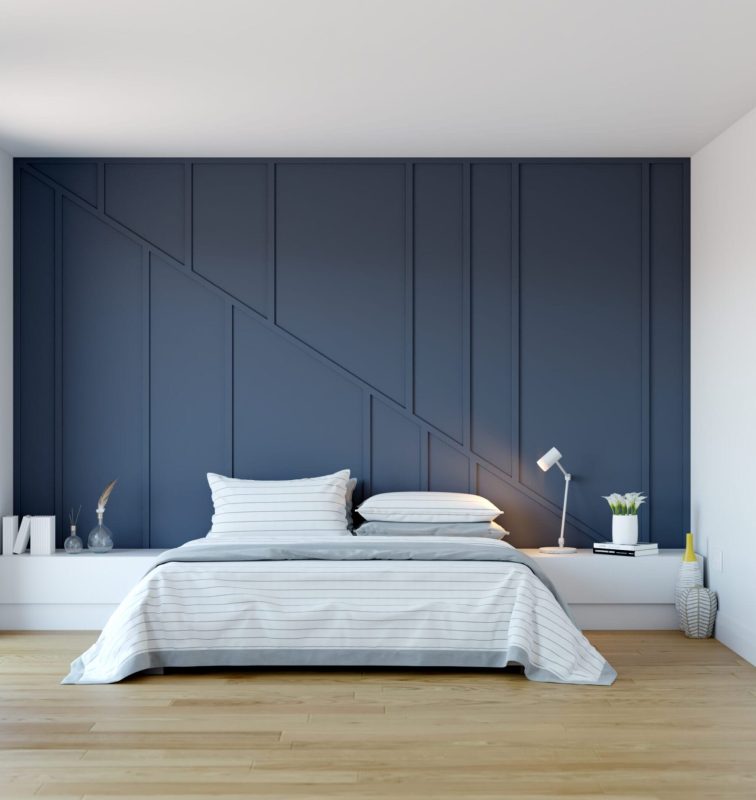
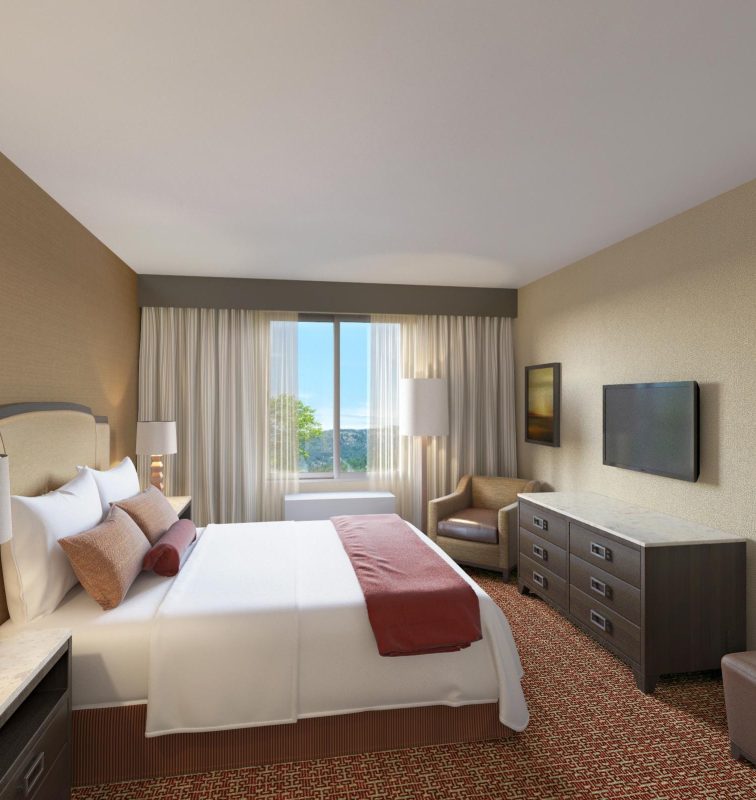
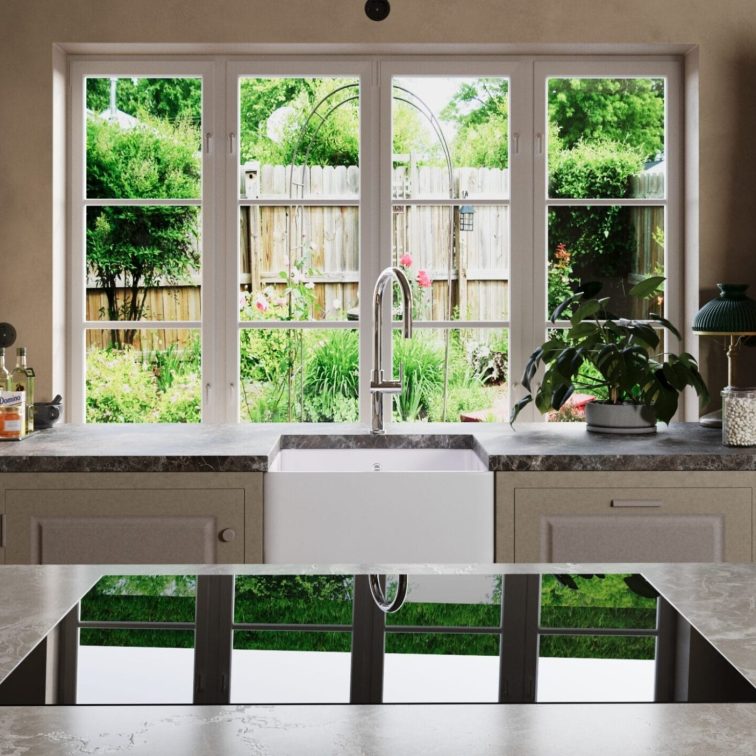
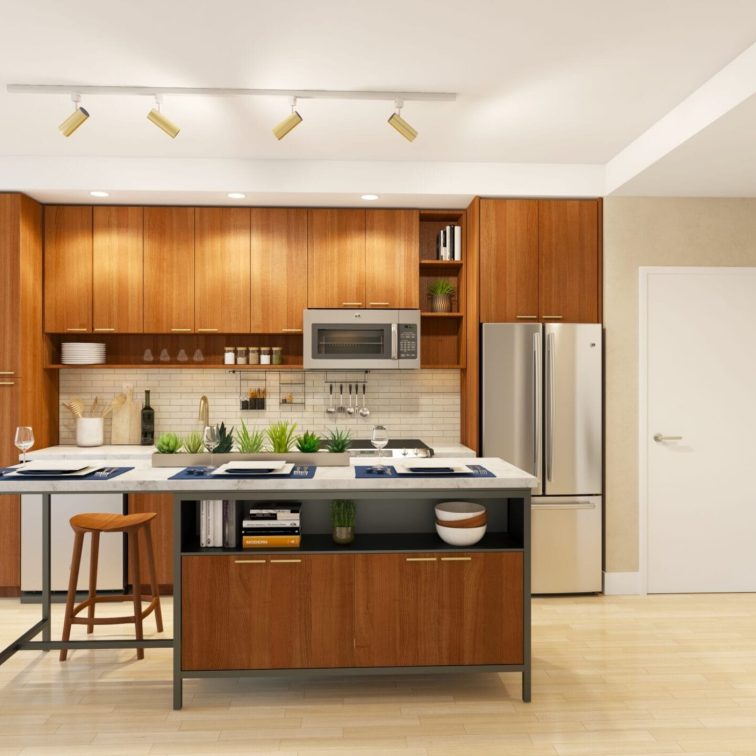
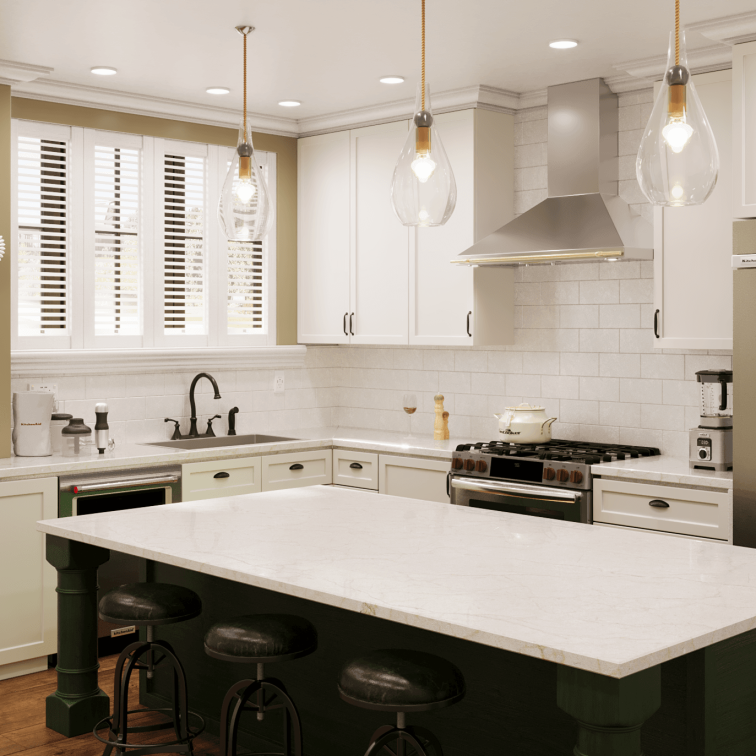
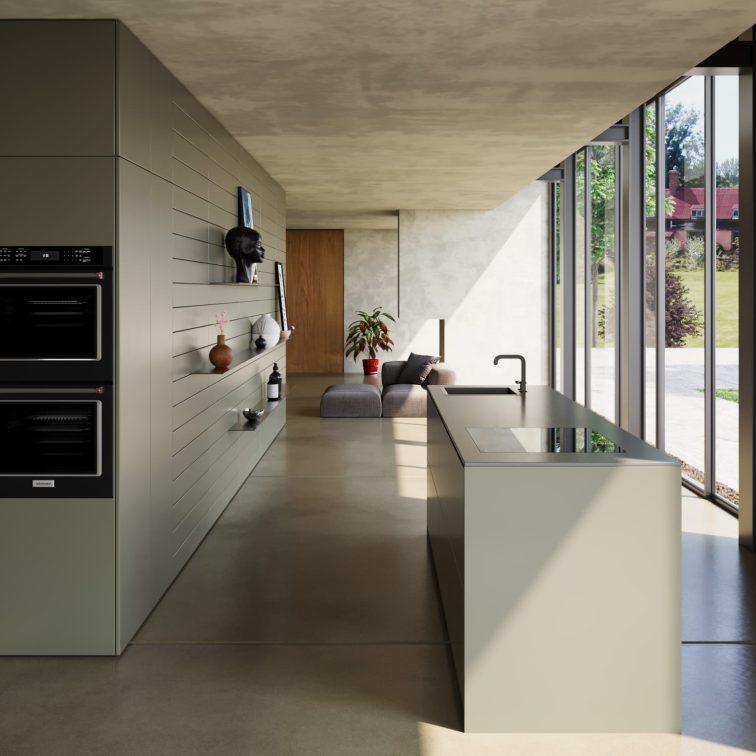
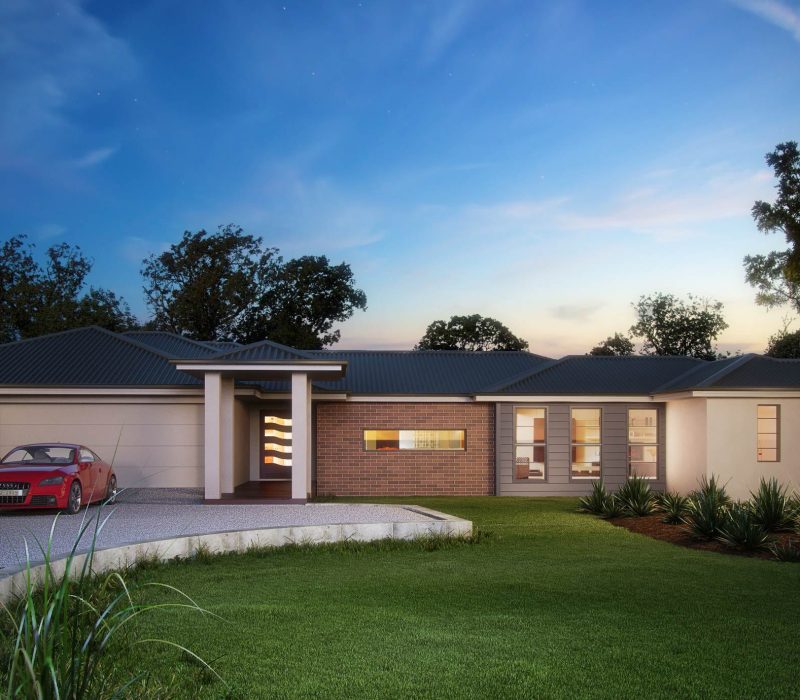
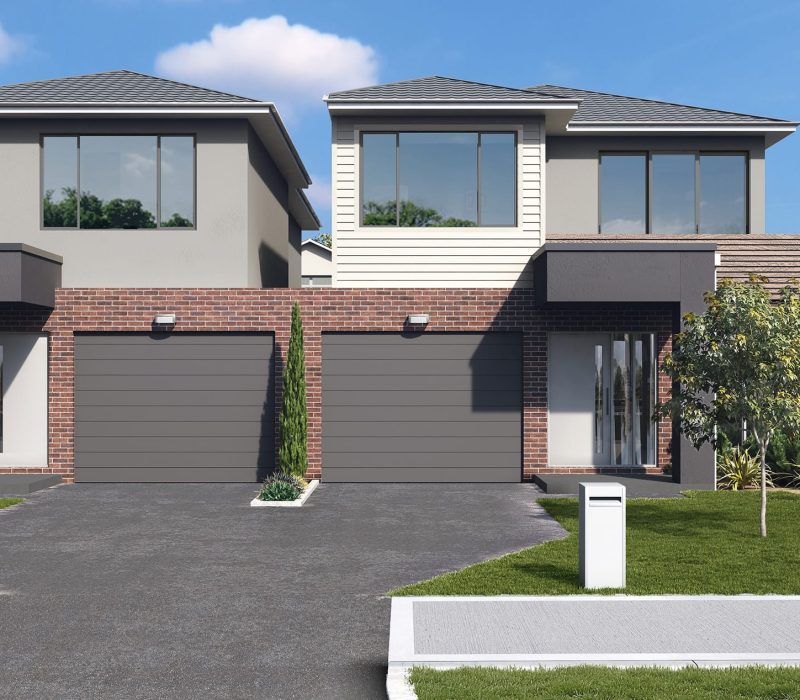
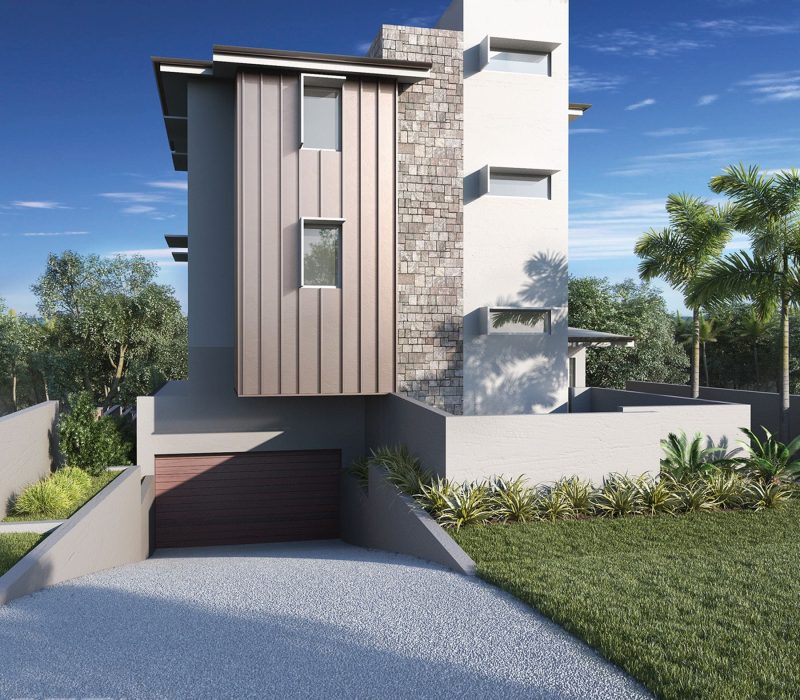
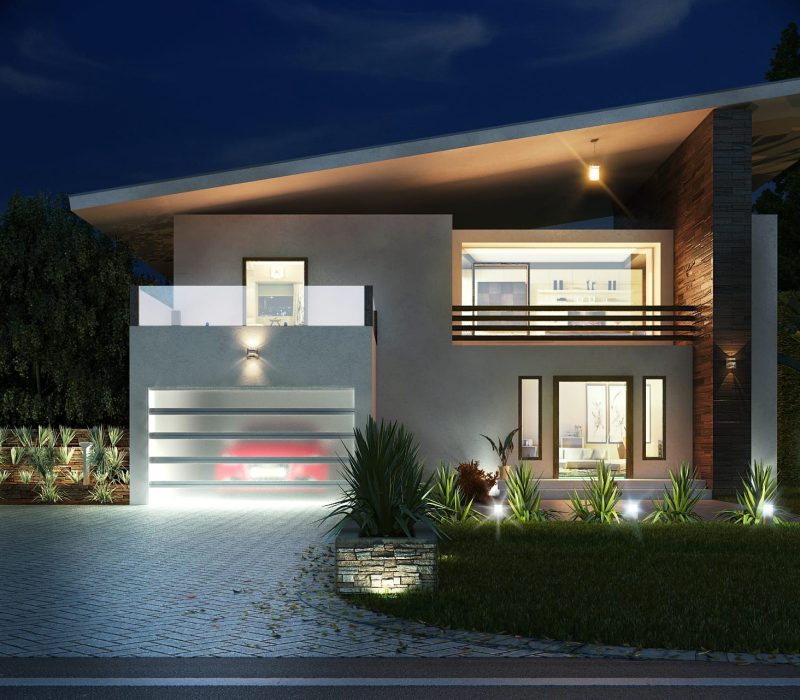
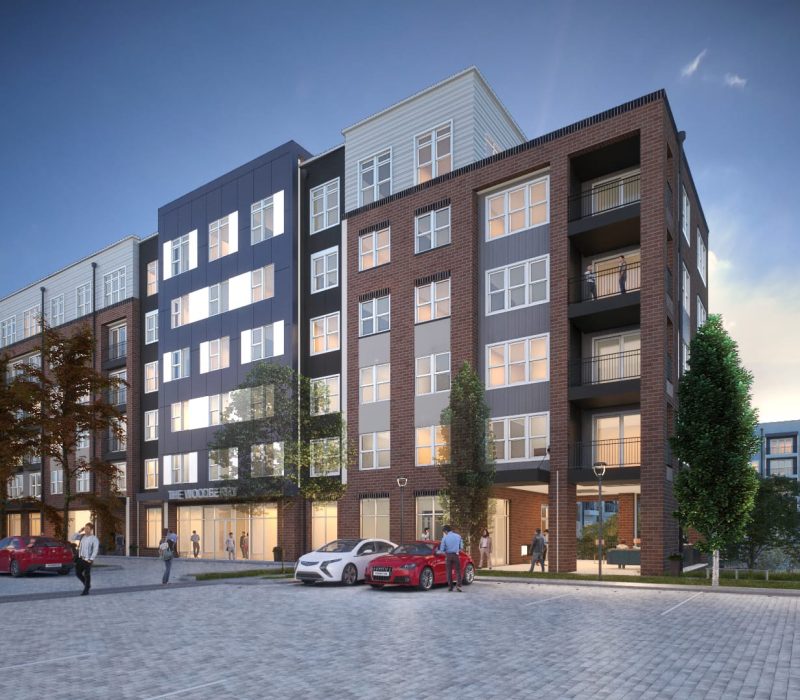
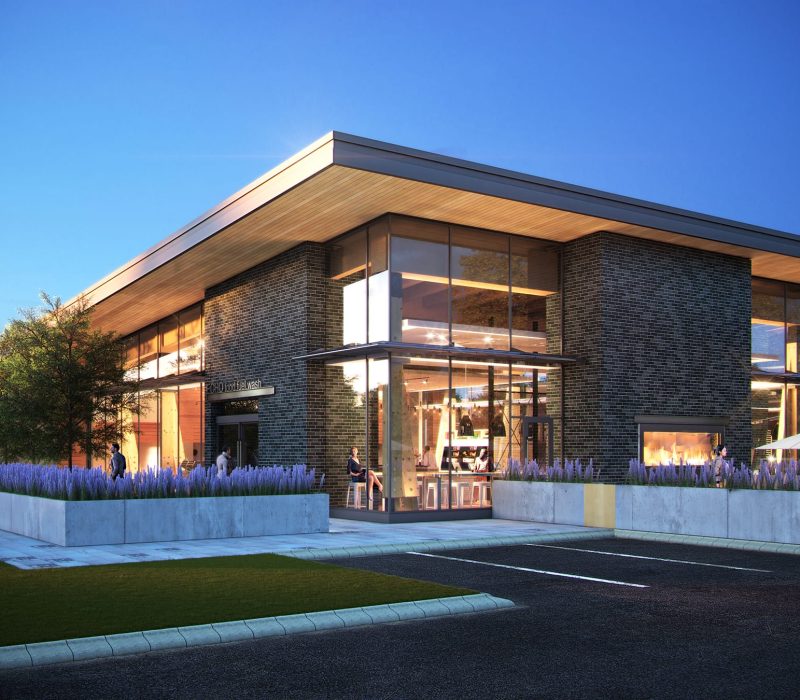
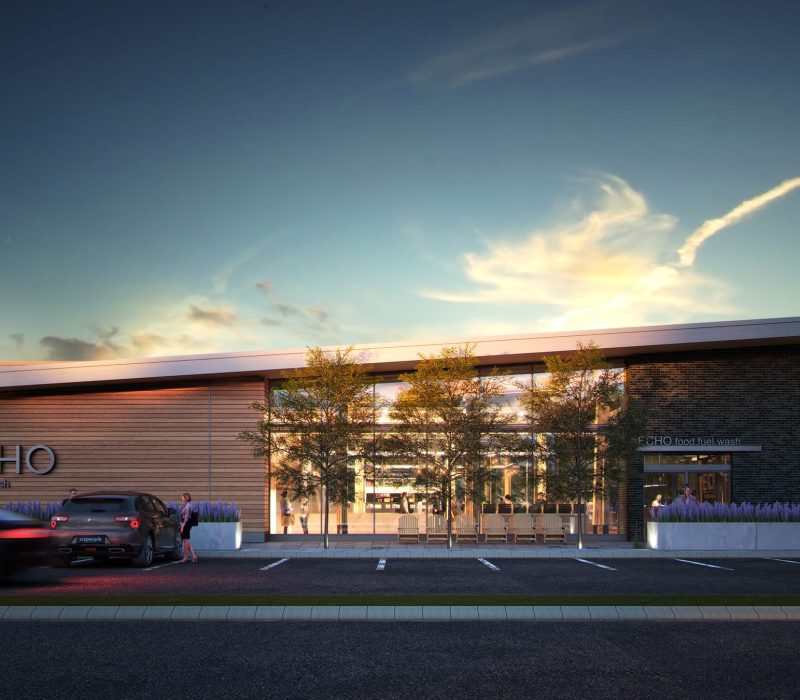
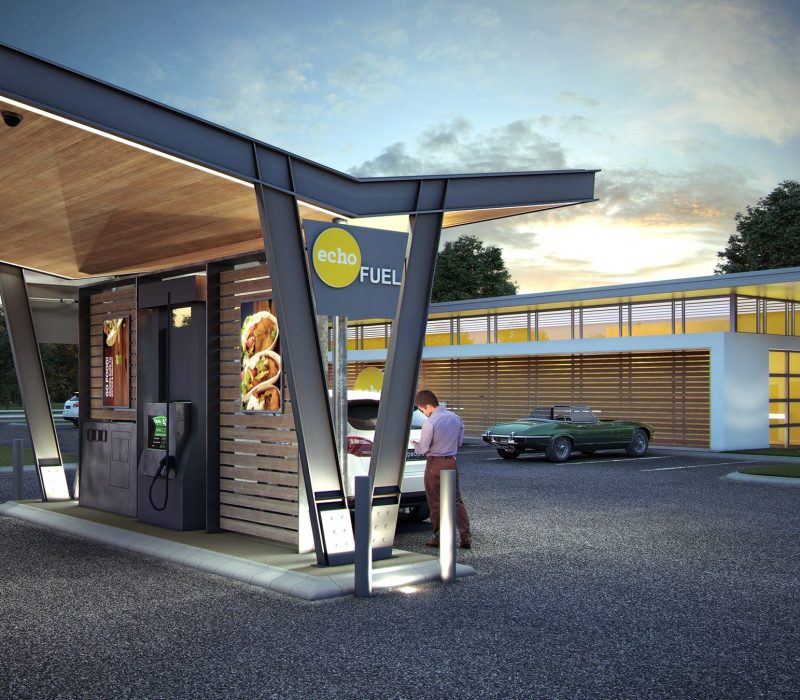
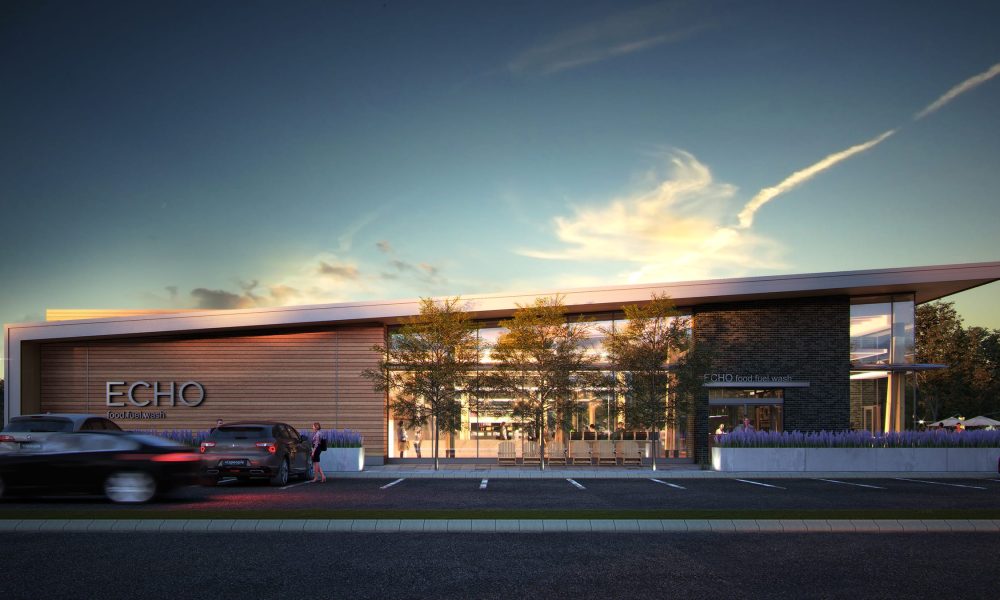
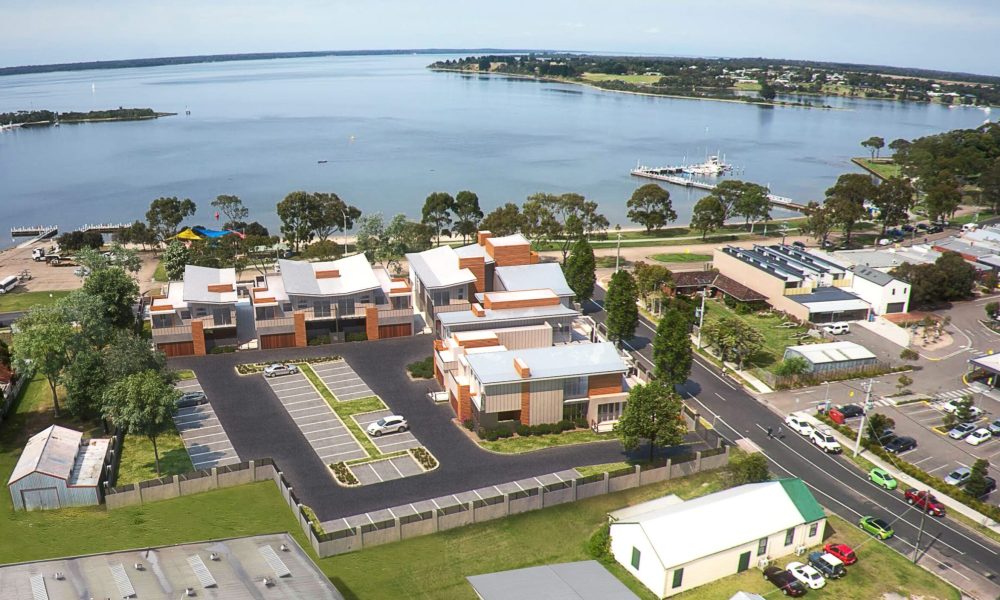
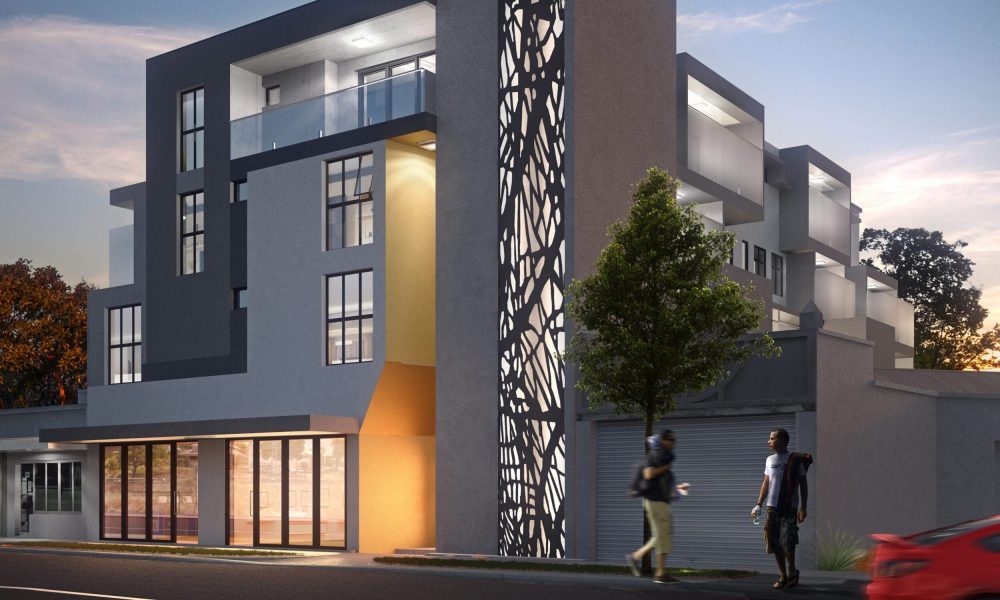
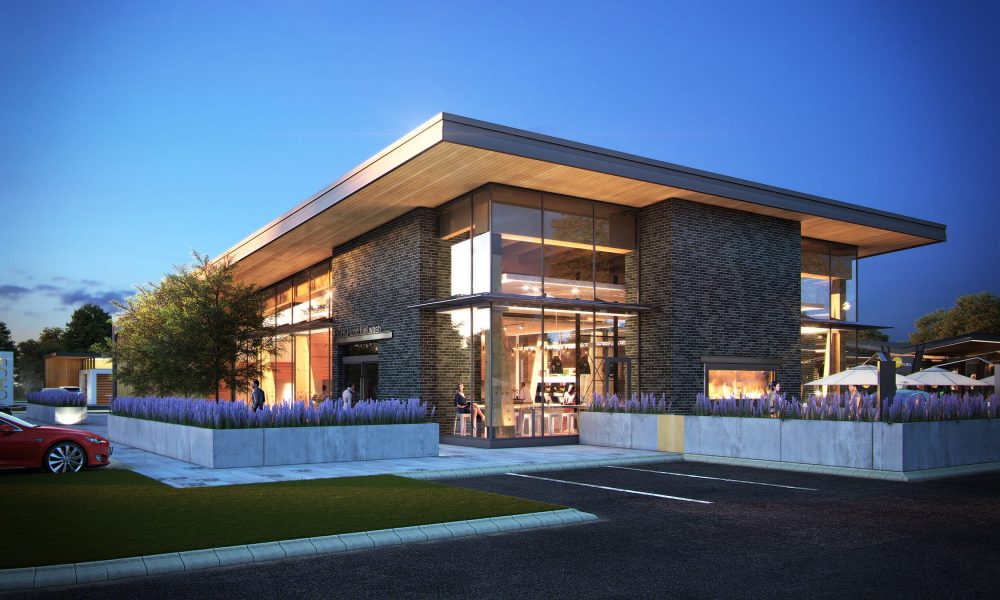
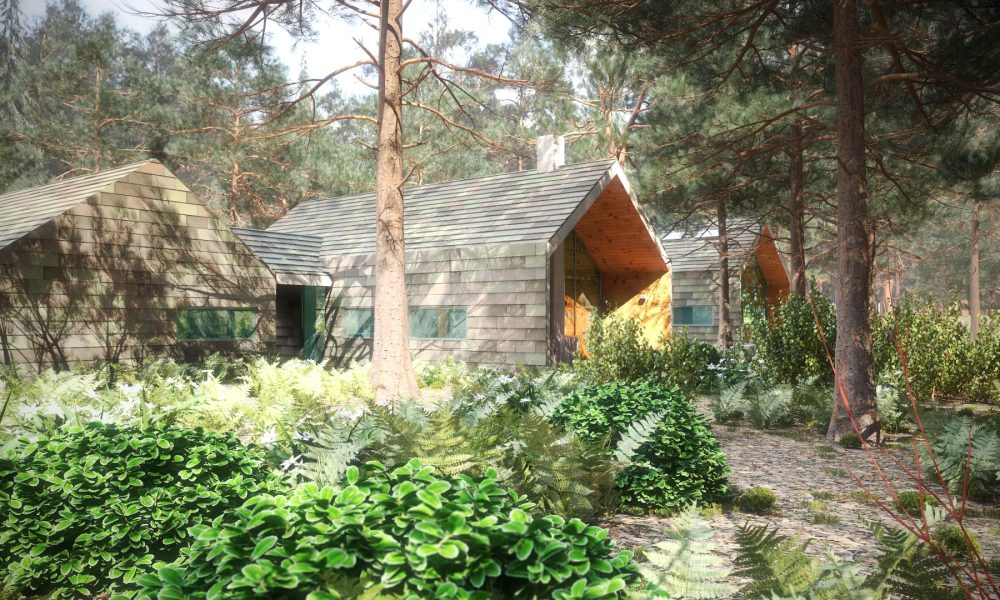
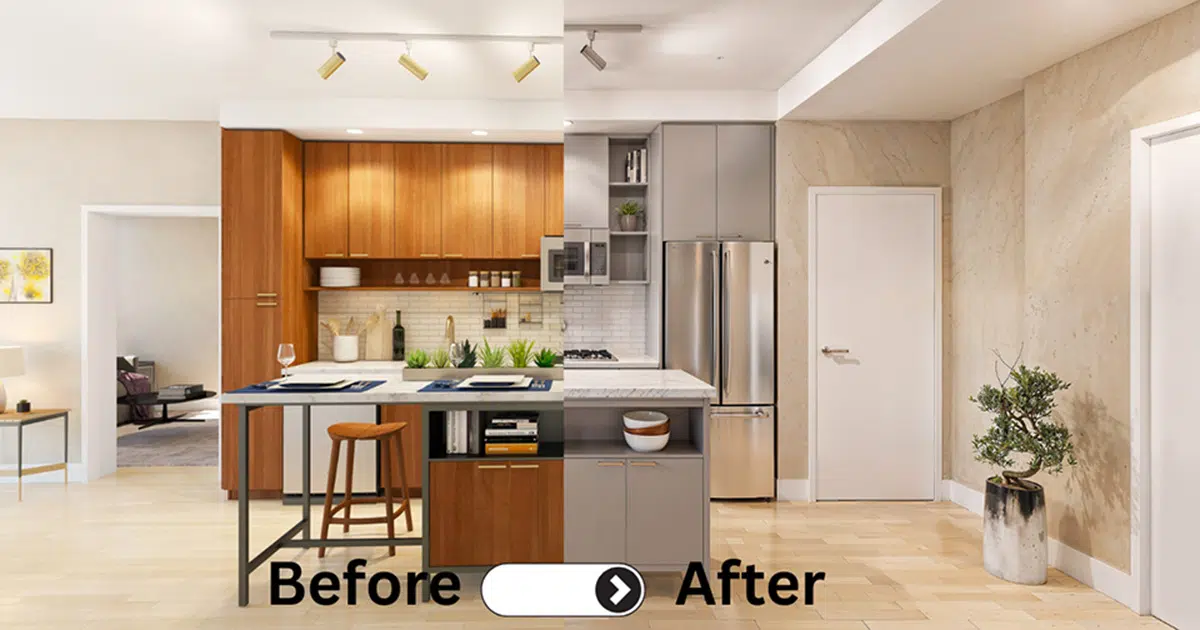
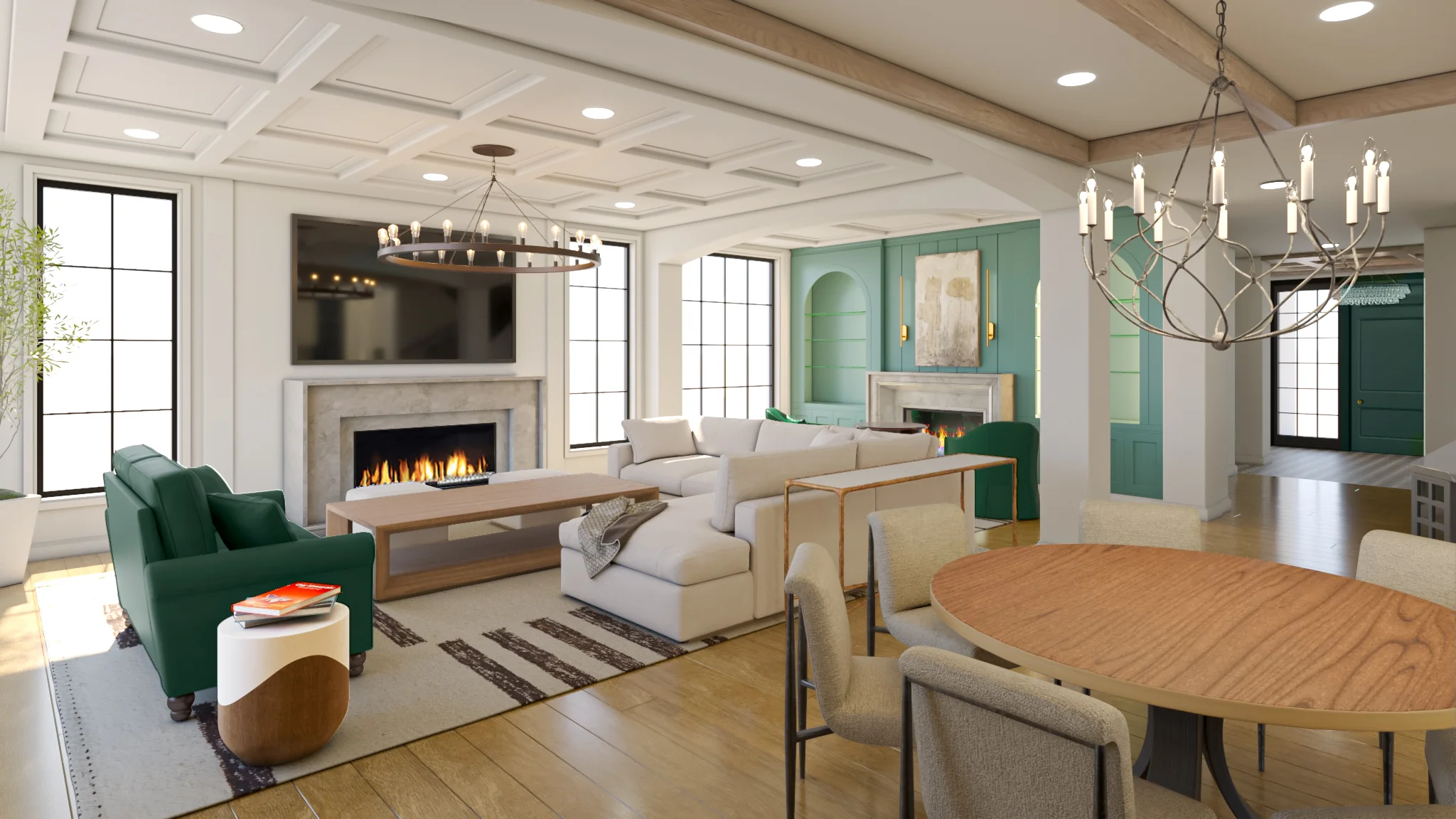
Architectural rendering relies on the right software and tools to bring designs to life. Whether you’re a pro or just starting, the best tools can boost efficiency and quality. Let’s explore some essentials. 3D artists use different tools to create a 3D model, render it, and post-produce the final result. We’ll cover some of the popular ones here.
3D Modeling tool: Autodesk 3ds Max, Blender, SketchUp, Cinema 4D, ArchiCAD. Revit Architecture.
3D Rendering tool: Vray and Corona are popular ray-traced rendering engines. Twinmotion, Lumion, Unreal, and D5 are popular real-time rendering tools.
Post Production: Photoshop, After Effects, Affinity Photo, Lightroom.
AI tool: AI is used in the architectural rendering industry for two main purposes: concept generation and post-production. Some popular AI image generation tools include Midjourney, Stable Diffusion, and Flux.1. For post-production, popular AI tools are Luminar Neo, Adobe Lightroom, and DxO PhotoLab.
Plugins and Add-ons: There are hundreds of plugins and
scripts that 3D artists use to make their work easier. Some popular ones include Forest Pack, Substance Painter, Marvelous Designer, ZBrush, Phoenix, and Scini Soft.
Challenges in Architectural Rendering
Creating realistic renders isn’t difficult anymore. We have applications that produce great results (with the right knowledge) and powerful hardware to support them. As an established architectural rendering company, we understand the industry’s ins and outs and challenges. Many of these challenges no longer affect us because we’ve solutions and manage them effectively. Here are some common challenges:
Making a render real isn’t difficult anymore. We have applicatiton that produce great result (with right knowledge) and powerful hardware to support them. As an established architectural rendering company, we understand the industry’s ins and outs and challenges. Many of these challenges no longer affect us because we’ve found solutions and managed them effectively. Here are some general challenges:
Balancing Budget, Quality, and Time
It’s a dynamic balancing task. Clients seek high-quality visuals that fit their budgets and timelines. Achieving the right mix of cost, quality, and deadlines is rewarding, especially on complex projects.
The solution: Let the 3D company know exactly what you need. Instead of proposing a budget, ask them for their best quotation.
Hardware Limitations
Architectural rendering service providers typically have up-to-date hardware, so hardware limitations aren’t an issue for regular projects like they were a few years ago. However, for large projects, hardware limitations can still be a concern.
The solution: First, optimize the scene for better performance. If it’s still too heavy, consider using cloud rendering solutions.
Staying Updated with Technology
It feels like we just installed 3ds max 2024. the 2025 version of the software is already there. Technology in this field moves fast. New tools, plugins, and software updates are always being introduced. Keeping up takes time and effort, but staying competitive and delivering top-notch results is essential.
The solution: Companies typically have a central server to manage everything, making technical updates straightforward. However, training everyone on new tools can be challenging. It’s important to ensure team members are quick learners, as staying up to date requires this skill.
Meeting Tight Deadlines
Meeting deadlines is part of the job, and it feels great when you succeed. Tom, one of our clients in the real estate rendering sector, sometimes shows up with urgent projects. You have to welcome him and can’t say “no” to Tom. Meeting those deadlines can be challenging but rewarding.
Quick turnarounds often mean less time to perfect details, so efficient workflows and prioritization are crucial for delivering good results on time.
The solutions: Work with a team that loves their work. Ensure team members are cross-functional so anyone can pick up exactly where the previous person left off without any bottlenecks.
Create a playful and enjoyable office environment. Include a space for napping and arrange for great food.
Without these qualities, a 3D rendering studio might struggle to perform well, especially when working around the clock and under tight deadlines.
While these challenges can be daunting, the industry is constantly evolving with better tools and techniques to tackle them. With the right mindset and resources, professionals continue to push the boundaries of what’s possible in architectural rendering.
Applications of Architectural Rendering
Architectural rendering has become an essential tool for a variety of industries, offering creative and practical solutions to bring designs to life. Here’s a look at some of its most common applications:
Architectural Concept Communication
Renderings make it easier to share ideas. Architects and designers can use them to show clients exactly what a project will look like, long before construction begins. This helps everyone stay on the same page, avoiding confusion and making collaboration smoother.
Real Estate Marketing and Sales
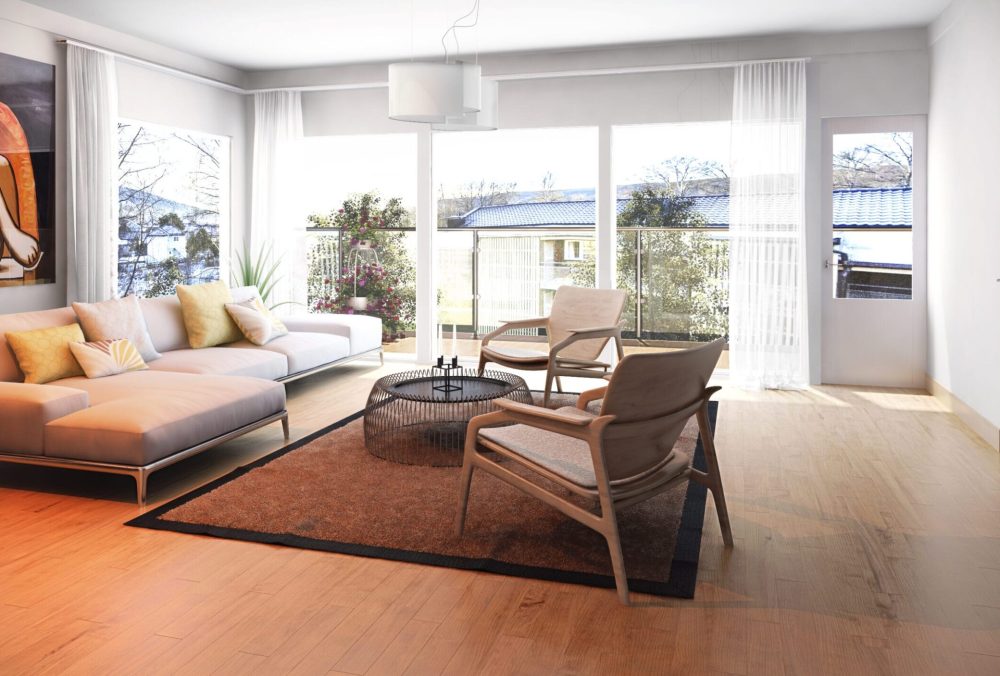
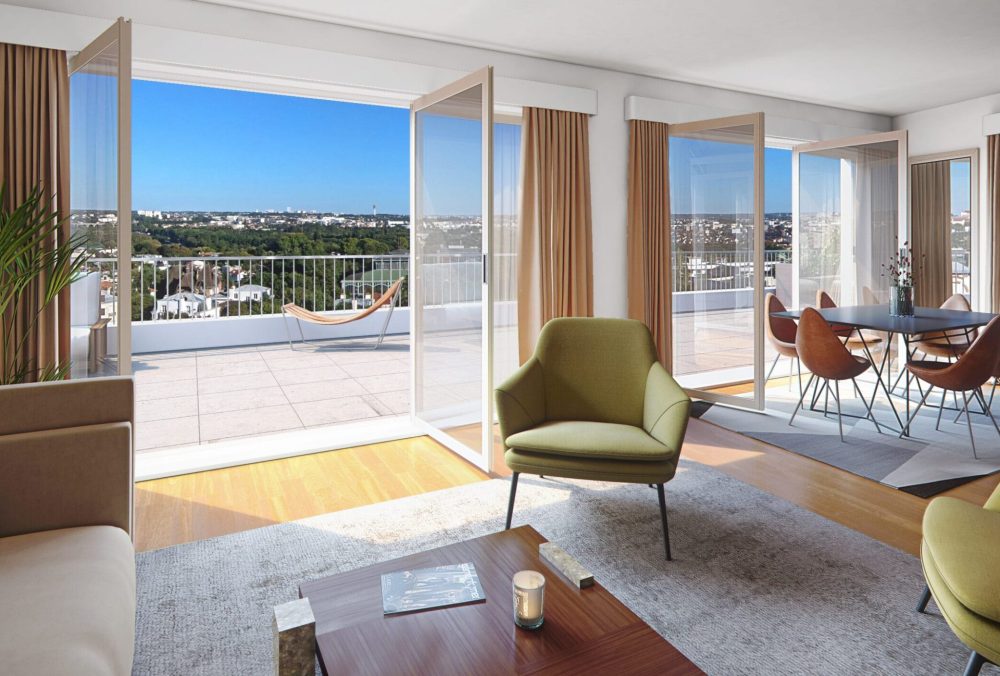
In real estate, first impressions matter. High-quality renderings allow developers and agents to showcase properties in the best light, even before they’re built. These visuals make it easier for potential buyers or investors to imagine themselves in the space, which can help close deals faster.
Product Lifestyle Renderings
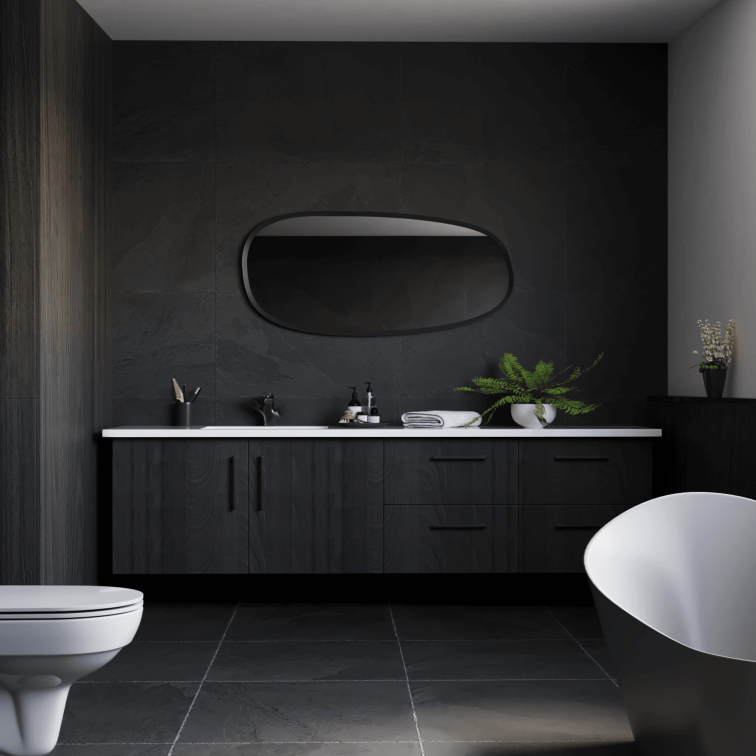
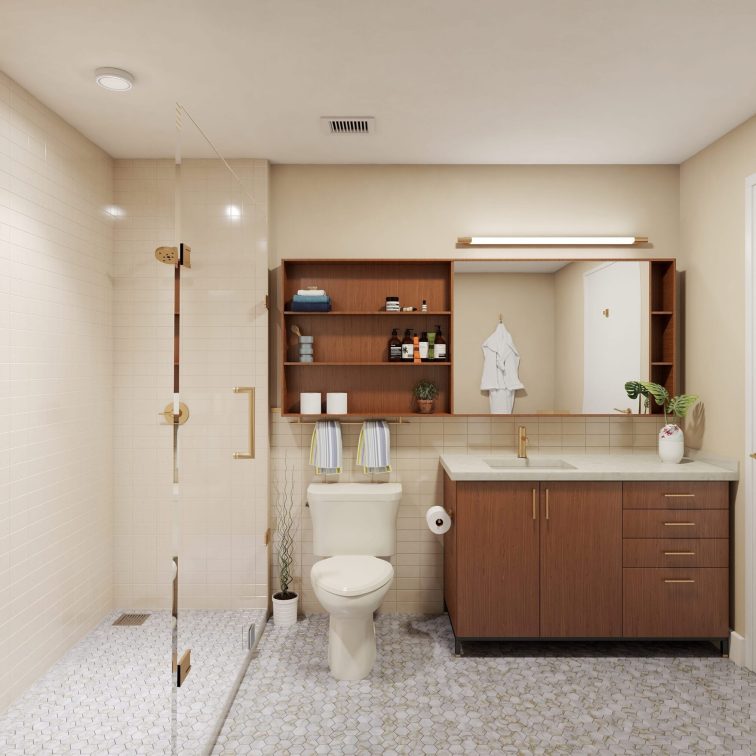
It’s not just about buildings—architectural rendering is also used to show how furniture, appliances, or other products fit into a space. These realistic visuals help customers see how products work in real-world settings, making them more appealing and easier to market.
Architectural rendering isn’t just about creating beautiful images. It’s about communication, helping clients, buyers, and businesses visualize possibilities in a way that feels real and achievable.
Collaborative Practices in Architectural Rendering
Collaboration is a key part of creating great architectural renderings. When teams work together effectively, it not only improves the quality of the final product but also makes the process smoother and more efficient. Here are two common practices that help foster collaboration in architectural rendering:
Streamlining Feedback with Collaborative Tools
Sharing and refining ideas is a big part of any rendering project. Tools like Trello, ClickUp, or even design-focused platforms make it easy for everyone—architects, clients, and rendering experts—to review drafts, leave comments, and suggest changes in real time. These tools keep the feedback loop organized and ensure that everyone stays on the same page throughout the project.
Distributing Different Parts of the Project to Specialists
Rendering projects often involve many moving parts, like 3D modeling, texturing, and lighting. By assigning each task to a specialist, teams can take advantage of specific skills to ensure the best results. For example, a 3D modeler can focus on creating accurate shapes and dimensions, while a texture artist works on realistic finishes, and a lighting expert sets the mood of the scene. This team-based approach not only improves quality but can also help meet tight deadlines.
Collaborative practices like these bring out the best in every project, making it easier to deliver visuals that impress clients and stand out in the competitive world of architectural rendering.
Global Trends in Architectural Rendering
Architectural rendering is evolving as the world becomes more connected. From adapting to cultural influences to embracing outsourcing, the industry is responding to new demands and opportunities. Here’s a closer look at two key trends shaping the field:
Regional Aesthetics and Cultural Influences
Designs are no longer one-size-fits-all. As rendering projects span different parts of the world, there’s a growing emphasis on incorporating regional aesthetics and cultural nuances. For example, a rendering for a Mediterranean villa might highlight earthy tones and natural textures, while a project in Japan could focus on clean lines and harmony with nature. Tailoring renderings to reflect local preferences not only makes them more relatable but also helps capture the unique identity of a space.
Outsourcing Trends in Rendering Services
Outsourcing has become a popular way to manage rendering projects. Companies are increasingly turning to specialized studios and freelancers around the globe to get high-quality work done more efficiently and at a lower cost. This approach allows businesses to scale up for large projects or meet tight deadlines without overextending their in-house teams. Outsourcing also brings fresh perspectives and diverse styles, which can add value to the final visuals.
These trends show how architectural rendering is adapting to a more globalized and diverse market, delivering visuals that are both culturally relevant and cost-effective. As the industry continues to grow, these practices are likely to become even more integral to its success.
Career in Architectural Rendering Field
A career in architectural rendering offers an exciting blend of creativity and technical expertise. This field is increasingly in demand as industries like architecture, real estate, and interior design rely on high-quality visuals to communicate ideas and market properties effectively.
Opportunities in the Field
Architectural rendering professionals can find opportunities in various industries, including architectural firms, real estate companies, design studios, and even marketing agencies. Freelancing and remote work are popular options, allowing renderers to collaborate with clients worldwide.
Specializations in areas like interior visualizations, exterior renderings, or urban planning projects can open additional doors. With experience, professionals can advance into roles such as creative director, visualization lead, or rendering project manager, overseeing large-scale projects and teams.
Skills and Expertise
To thrive in this field, professionals need a mix of technical skills and artistic talent. Key proficiencies include:
- Expertise in software like Autodesk 3ds Max, SketchUp, Blender, or Revit.
- Mastery of rendering engines such as V-Ray, Corona, or Lumion.
- Strong attention to detail, particularly in lighting, texturing, and composition.
- Creativity and the ability to interpret architectural designs into visually compelling images.
Staying updated with emerging technologies, including AI-powered tools and real-time rendering software, is also essential for career growth.
Salary Expectations
The salary in architectural rendering varies based on experience, location, and specialization:
- Entry-Level Professionals: Typically earn between $12,000 and $60,000 annually, depending on their skill set and the region.
- Mid-Level Professionals: With a few years of experience, salaries can range from $20,000 to $100,000 per year.
- Senior-Level Experts and Creative Directors: Experienced professionals or those in leadership roles can earn from $24000 to $120,000 annually.
Freelancers have the potential to earn more based on the volume and complexity of their projects, often charging $1,000 to $5,000 per project or more.
Challenges and Rewards
Architectural rendering can be demanding, with tight deadlines and high expectations for photorealistic quality. However, the rewards of seeing designs come to life and contributing to high-profile projects make it a fulfilling career path. For those who enjoy combining creativity with technology, architectural rendering offers endless opportunities for growth and innovation. There are reasons why many architects change their career path and choose to be an architectural visualization artist rather than an architect.
Popular Terminologies in the Architectural Rendering Industry
Here are some of the popular terminologies you will come across when working on architectural rendering projects.
Photorealism: The ability to create renders that closely resemble real-life photographs with accurate lighting, textures, and details.
CGI: Computer-Generated Imagery, referring to visuals or animations created entirely using computer software.
Rendering Engine: Software that processes 3D models into final rendered images with realistic or artistic effects.
Texturing: The process of applying detailed surface attributes, like patterns or materials, to 3D models.
HDRI: High Dynamic Range Imaging, used for realistic lighting environments by capturing a broad range of light and color data.
Post-Processing: Refining rendered images using software to adjust colors, sharpness, and add visual effects.
Real-Time Rendering: The ability to generate and display rendered images instantly, often for interactive applications.
3D Walkthrough: A virtual simulation allowing users to navigate through a 3D-rendered space.
BIM: Building Information Modeling, a digital representation of a building’s physical and functional attributes integrated into design workflows.
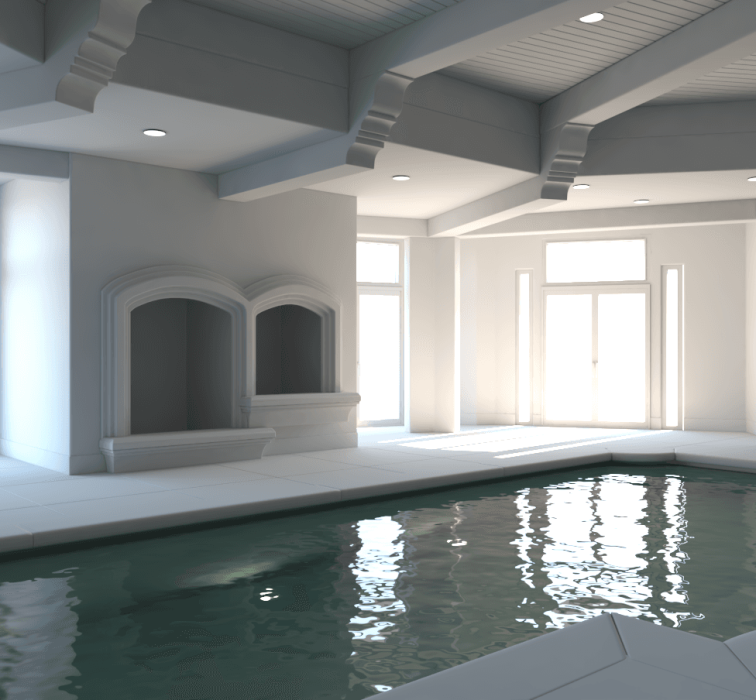
Clay Rendering: A rendering technique showing models without textures or detailed lighting, focusing on shape and form.
PBR: Physically Based Rendering, a method to replicate material properties realistically under various lighting conditions.
Rendering Passes: Layers of a render, like shadows or reflections, combined in post-processing to create the final image.
Proxy Objects: Simplified versions of 3D models used to optimize performance in complex scenes.
UV Mapping: Projecting a 2D texture onto a 3D model’s surface for accurate texture placement.
Render Farm: A network of computers used to process rendering tasks simultaneously, reducing render time.
Ambient Occlusion: A technique that simulates shadowing in corners and crevices to add depth and realism.
Ray Tracing: A rendering method simulating light paths for realistic reflections, refractions, and shadows.
GI ( Global Illumination): Simulating how light bounces off surfaces for natural-looking scenes.
Depth of Field: A visual effect that blurs background or foreground areas to mimic camera focus.
Scene Composition: The arrangement of elements within a render to create a visually balanced and appealing image.
Wireframe: A skeletal representation of a 3D model showing its structure without textures or lighting.
Anti-Aliasing: A technique to smooth jagged edges in rendered images for a polished appearance.
Instance Objects: Duplicates of a 3D model sharing the same geometry to optimize memory usage.
Displacement Map: A method that physically alters a model’s geometry based on texture data for realistic surface detail.
Focal Length: Determines the field of view in a rendering camera, influencing perspective and object scale.
Architectural Rendering Communities & Blogs
Communities and blogs are great resources for keeping up with industry trends, learning new techniques, staying informed, and connecting with professionals. Due to constant changes and updates, being part of a community is crucial in any tech-based industry, including 3D architectural rendering, which relies on 3D rendering technology.
Engaging with these communities and resources will help you improve architectural rendering skills, expand your professional network as well as find the right talent.
Legal and Ethical Aspects of Architectural Rendering
While the visuals themselves are captivating, it’s important for professionals in this field to navigate the legal and ethical responsibilities that come with their work. This ensures not only compliance with laws but also builds trust with clients and stakeholders. Let’s explore three critical areas:
Intellectual Property Rights
The designs and elements used in architectural renderings often involve intellectual property (IP), which makes respecting these rights essential. Whether it’s using textures, 3D models, or design elements, professionals must ensure they have proper licenses or permissions to use these assets. Additionally, there needs to be a clear understanding between the renderer and the client about who owns the final output. Misunderstandings about ownership rights can lead to conflicts, so a well-drafted agreement at the beginning of a project can clarify expectations and prevent future disputes. By respecting IP rights, renderers not only comply with the law but also foster trust and professional integrity.
Ethical Representation of Designs
Architectural renderings are meant to inspire and inform, but they must also set realistic expectations. Over-enhancing visuals or leaving out critical design limitations can mislead clients or stakeholders, resulting in disappointment down the road. Ethical representation means creating renderings that are accurate in terms of dimensions, materials, and lighting. It’s okay to make a design look its best, but not at the expense of realism. When clients know exactly what to expect, trust is strengthened, and everyone benefits from a smoother project experience.
Client Confidentiality and Data Security
In the digital age, client confidentiality and data security are more important than ever. Renderers often handle sensitive project details, from design blueprints to proprietary concepts. Protecting this information with secure storage systems, encrypted communications, and access controls is vital. Additionally, signing non-disclosure agreements (NDAs) is a common practice that reassures clients their information will remain private. Prioritizing data security doesn’t just meet professional standards—it builds lasting trust.
By addressing these legal and ethical considerations, architectural rendering professionals can create work that is not only visually stunning but also responsibly crafted, ensuring lasting relationships and professional credibility.
Training and Skill Development for Renderers
- Educational Resources and Courses
- Certifications and Professional Development
- Building a Portfolio in Architectural Rendering
Future Trends and Predictions in Architectural Visualization
- Advancements in Rendering Software
- Integration with Artificial Intelligence
- The Evolving Role of Renderers in Architecture
How to Choose an Architectural Rendering Partner
- Criteria to Evaluate Services
- Importance of Communication
- Why 7CGI?
FAQ Section
What is architectural rendering?
Architectural rendering is the creation of realistic visualizations of buildings and spaces using 3D modeling and design tools.
How long does it take to create a rendering?
A rendering typically takes 2-7 days, depending on complexity and project requirements.
What is the cost of architectural rendering services?
Costs range from $200 to $2000 per render, varying by detail, style, and provider.
How do architectural renderings benefit clients?
They help clients visualize projects, make informed decisions, and effectively communicate designs.